
The Right Way to Clean Chenille Upholstery Without Crushing Its Soft Texture
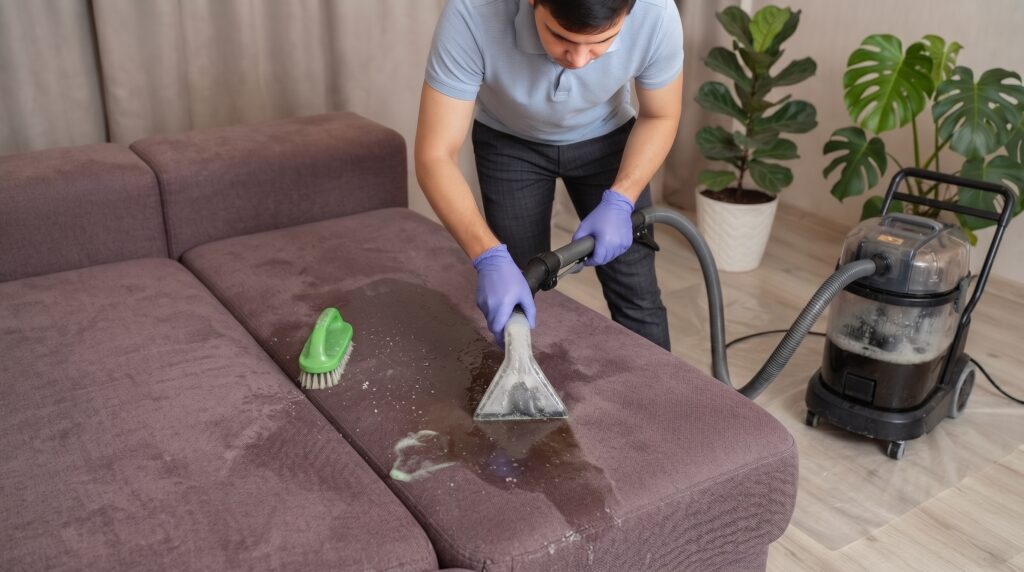
Chenille is one of those fabrics that feels luxurious the moment you touch it—but it can also be intimidating to clean. The same soft, velvety loops that give chenille its plush appearance are easily crushed if they are rubbed, soaked, or handled too aggressively.
The good news is that chenille can usually be cleaned safely at home when you use a gentle approach and avoid the common mistakes that damage the nap.
Why Chenille Requires Extra Care
The word chenille comes from the French word for “caterpillar,” a reference to the fuzzy texture created by short fibers wrapped around a central yarn. That construction gives chenille its signature softness, but it also makes the fabric vulnerable to flattening when it becomes wet.
Chenille upholstery is commonly made from polyester, cotton, acrylic, rayon, or blends of those fibers. Because it absorbs moisture quickly, using too much water is one of the easiest ways to distort the texture.
Before cleaning, check the upholstery care tag under the cushion or frame. The cleaning code tells you whether water, solvent-based cleaners, or vacuum-only care is recommended, which is especially important with a delicate fabric like chenille.
Vacuuming Chenille the Right Way
Routine vacuuming is the best thing you can do to keep chenille looking fresh. Dust and crumbs settle into the loops and gradually make the fabric appear dull.
Use the upholstery attachment on your vacuum and avoid stiff brush attachments. Vacuum gently in the direction of the nap, not against it. If you are unsure which direction that is, run your hand lightly across the fabric and notice which way feels smoothest.
Removing a Spill or Stain
When a spill happens, speed matters.
- Blot the area immediately with a clean microfiber cloth.
- Do not rub, scrub, or press hard.
- Continue blotting until no more liquid transfers to the cloth.
For chenille labeled safe for water-based cleaning, mix a small amount of mild soap with cool water and use only the foam, not the liquid. Apply it with a soft cloth or very gentle brush using light strokes.
Many homeowners also use products such as Folex, a water-based upholstery cleaner that is designed to be low-residue and gentle on fabric fibers.
Should You Steam Clean Chenille?
Steam cleaning is possible, but it is also one of the easiest ways to flatten chenille if done incorrectly.
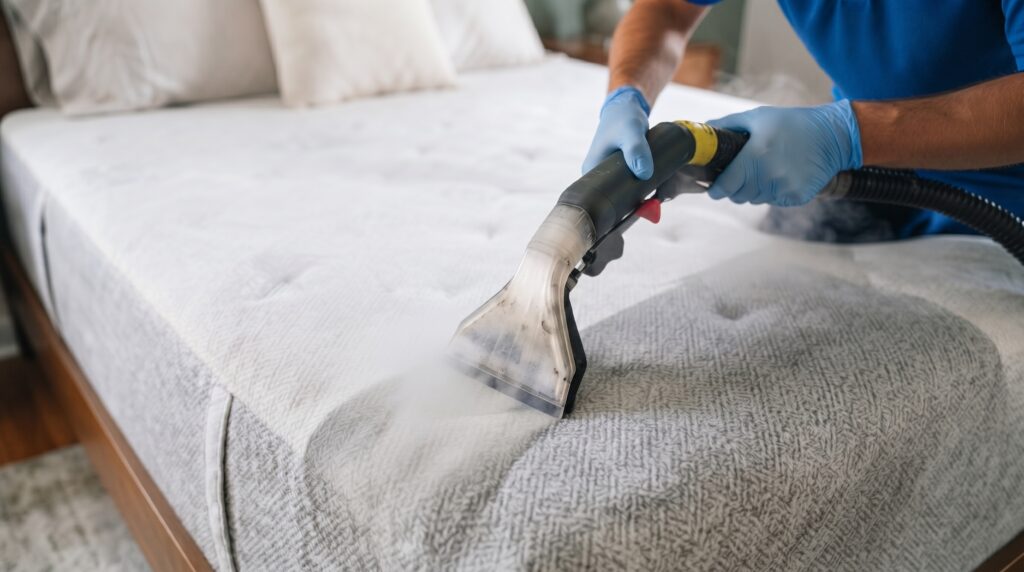
Heavy steam, high heat, or holding a handheld steamer too close to the fabric can crush the nap and even cause shrinkage. A light pass from a professional upholstery machine with controlled pressure is much safer than a consumer steamer used at close range.
If you are considering steam cleaning, professional upholstery cleaning is usually the safer option for chenille furniture.
Chenille Compared With Other Upholstery Fabrics
If you have different fabric types in the same room, remember that they do not all respond the same way to cleaning.
- Cotton upholstery is generally more tolerant of water and a wider range of cleaners.
- Velvet is much more similar to chenille; both fabrics can become matted if rubbed or brushed aggressively.
- Chenille benefits from the gentlest handling of the three, especially when wet.
Treat each fabric according to its own care requirements rather than using the same cleaner and method on every cushion.
How Often Should Chenille Be Cleaned?
Chenille does not need frequent deep cleaning, but it does benefit from regular maintenance.
- Vacuum: weekly
- Spot clean spills: immediately
- Deep clean: every 12 months in an average household
- Homes with pets, children, or heavy daily use: every 4–6 months
Regular care prevents dirt from becoming embedded deep in the fibers and helps preserve the fabric’s texture.
What to Avoid
A few cleaning methods can permanently damage chenille:
- Washing machine: agitation twists and crushes the yarn loops.
- Excess water: can cause clumping, shrinkage, and dye bleeding.
- Stiff brushes: flatten and fray the nap.
- Harsh chemicals or bleach: may discolor and weaken the fibers.
When in doubt, choose the gentlest method possible.
How to Lift the Nap After Cleaning
Once the fabric is completely dry, it may look slightly flattened. Use a soft-bristled brush or a clean microfiber cloth to gently lift the fibers, brushing with the nap in smooth, light strokes.
Allow the upholstery to air dry fully before using it again.
When It’s Best to Hire a Professional
Consider professional upholstery cleaning if:
- the stain covers a large area,
- the fabric is labeled S or X,
- there are pet odors or urine stains,
- or you are unsure which cleaning method is safe.
Professionals have specialized tools and products designed for delicate upholstery fabrics and can often remove stains without damaging the nap.
Frequently Asked Questions
Does chenille shrink when cleaned?
It can if it is over-wetted or exposed to hot water. Using cool water sparingly and allowing the fabric to air dry helps prevent shrinkage.
How long does chenille take to dry?
Drying time varies, but good airflow from an open window or fan will speed the process considerably.
Is chenille suitable for homes with pets?
It can be, but pet hair tends to cling to the textured surface. Frequent vacuuming and prompt cleanup of accidents are important.
Can I use a regular fabric cleaner?
Only if the cleaner is compatible with the upholstery care code. A product safe for one fabric may damage another.
Keep Chenille Soft and Beautiful
Chenille upholstery stays attractive longest when it is treated gently. Vacuum regularly, blot spills immediately, clean with minimal moisture, and avoid harsh scrubbing. Most importantly, check the care label before using any cleaning product.
A careful, low-moisture approach will keep the nap soft, full, and plush for years to come—and when a stain is beyond simple spot cleaning, professional upholstery care is the safest way to protect your investment.