

How to Clean a Bouclé Couch Without Damaging the Fabric
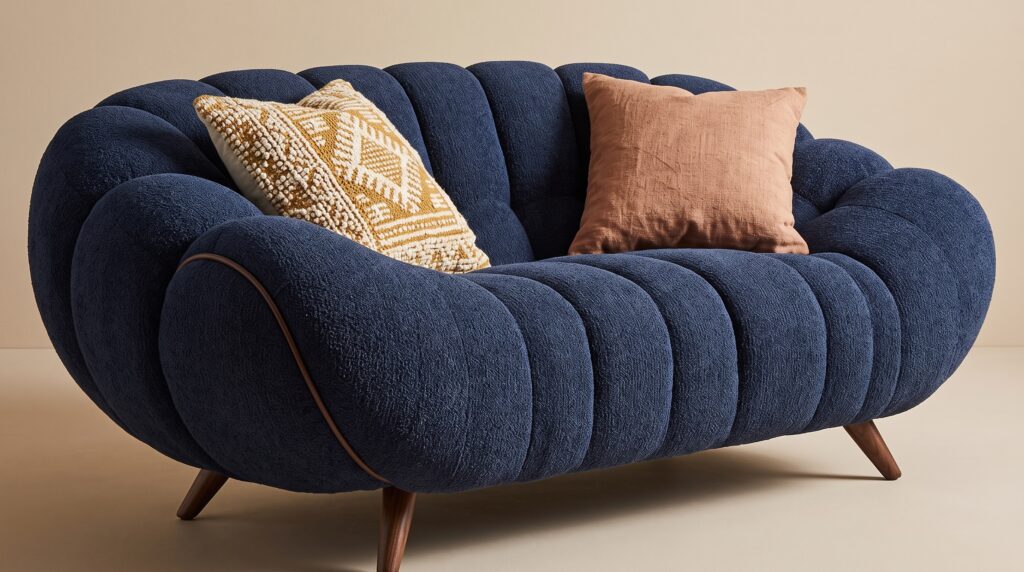
Bouclé furniture has a distinctive beauty. Its soft, looped texture adds warmth, depth, and a sophisticated look that smooth upholstery simply cannot replicate. But when a stain appears, cleaning it can feel intimidating. Using the wrong technique can flatten, stretch, or even pull the delicate loops.
The good news is that you can safely clean many bouclé couches at home—as long as you identify the fabric and use a gentle approach.
What Makes Bouclé Different From Other Upholstery?
Bouclé is a textured fabric made with looped yarns and may contain materials such as wool, cotton, linen, or chenille-style fibers. Those raised loops give the fabric its signature appearance, but they also collect dust, pet hair, lint, and debris more easily than smooth upholstery.
Because the loops can snag or fray, aggressive scrubbing is one of the biggest mistakes you can make.
Think of bouclé like a delicate knitted sweater: it needs a light touch. Before cleaning, check the upholstery care label, usually found beneath a cushion. The cleaning code will tell you whether your furniture can safely be cleaned with water, solvents, or vacuuming only.
Step-by-Step: How to Clean a Bouclé Couch
Step 1: Vacuum Away Loose Dirt
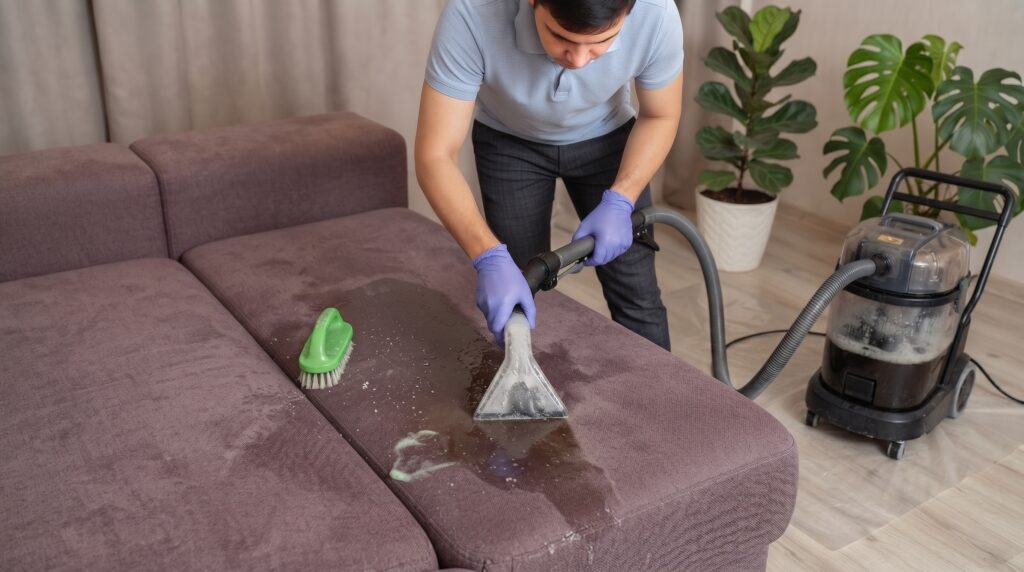
Start by removing surface dust, crumbs, lint, and pet hair with a vacuum equipped with a soft brush attachment.
Move gently in the natural direction of the fabric’s loops. Avoid dragging the vacuum aggressively across the surface, as this can catch and pull the yarn.
For small amounts of lint or loose fibers, a soft fabric brush can provide additional cleaning without putting unnecessary stress on the weave.
Step 2: Check the Upholstery Cleaning Code
Before applying any product, locate the furniture’s care tag. Common upholstery codes include:
- W – Water-based cleaning products are generally safe.
- S – Use a solvent-based upholstery cleaner.
- WS – Either water- or solvent-based cleaning may be used.
- X – Vacuuming only; liquids and cleaning products should be avoided.
Never skip this step. Using the wrong cleaning method can result in discoloration, shrinking, water marks, or permanent fabric damage.
Step 3: Treat Stains With Care
For bouclé labeled W or WS, mix a small amount of mild upholstery cleaner with warm water according to the product’s instructions.
Instead of saturating the couch, create a light foam and apply the foam to a clean microfiber cloth. Gently blot the stained area, starting around the outside and gradually working toward the center.
Avoid vigorous rubbing or circular scrubbing. Excessive friction can disturb the loops and permanently change the texture.
Step 4: Remove Residue and Allow the Fabric to Dry
Once the stain has been treated, use another clean microfiber cloth lightly dampened with plain water to pick up remaining cleaning residue.
Do not soak the fabric. Excess water can penetrate deep into the cushion and may contribute to shrinking, stiffness, discoloration, or lingering moisture.
Allow the couch to air-dry completely before sitting on it or replacing cushions.
What Should You Avoid When Cleaning Bouclé?
To protect the fabric’s texture and appearance, avoid:
- Stiff-bristle brushes
- Aggressive scrubbing
- Excessive amounts of water
- Strong chemicals that are not formulated for upholstery
- Using a steam cleaner too close to the fabric
- Machine-washing removable covers without checking the manufacturer’s instructions first
When it comes to bouclé, gentle cleaning is almost always the safer approach.
How Bouclé Compares With Other Upholstery Fabrics
Bouclé requires somewhat different care from smooth upholstery because of its raised loops. Velvet, for example, can also be sensitive to crushing and pressure, although its pile behaves differently from bouclé’s looped construction.
If your home contains several types of upholstered furniture, avoid using the same cleaning method on every piece. Always consider the material, cleaning code, and manufacturer’s recommendations before choosing a product or technique.
How Often Should You Clean a Bouclé Couch?
Bouclé does not necessarily require frequent deep cleaning, but regular maintenance can prevent dirt and debris from becoming embedded in the loops.
A practical routine includes:
- Weekly: Vacuum gently with a soft brush attachment.
- Every 6–12 months: Consider a deeper cleaning for normally used furniture.
- Every 4–6 months: More frequent cleaning may be appropriate for homes with pets, children, or heavy daily use.
Spot-clean spills as soon as possible rather than allowing them to dry and become more difficult to remove.
How to Restore Flattened Bouclé Loops
Sometimes the loops can appear compressed after cleaning or regular use. Resist the temptation to aggressively brush the fabric.
Instead, allow the couch to dry completely, then gently lift flattened areas using your fingertips or an extremely soft-bristled brush. Work slowly in small sections and follow the natural direction of the loops.
Never pull individual loops or try to force the fabric back into shape. Bouclé yarn can snag and unravel if handled too aggressively.
When Professional Cleaning Is the Better Choice
DIY cleaning can work well for light surface dirt and minor stains, but some situations call for professional help. Deep grease stains, wine spills, ink, pet accidents, and heavily soiled upholstery can be difficult to treat without specialized equipment and experience.
Professional upholstery cleaners can select an appropriate low-moisture cleaning method and fabric-safe products based on the material and care requirements.
For delicate bouclé furniture, professional cleaning can provide a deeper refresh while minimizing the risk of damaging the fabric’s distinctive texture.
Final Thoughts
Bouclé furniture can stay beautiful for years with the right maintenance. Vacuum regularly, treat spills gently, follow the upholstery cleaning code, and avoid excessive moisture or aggressive scrubbing.
When you’re dealing with a delicate or heavily stained bouclé couch, taking a careful approach—or calling a professional—can help preserve both the cleanliness and the textured look that makes bouclé so appealing.