

How to Clean Chenille Upholstery Without Damaging the Fabric
Chenille upholstery has a luxurious look and incredibly soft feel, but that plush texture can make even a small spill feel like a major problem. Its soft, velvety loops create its signature appearance, yet they can also be easily flattened or damaged by excessive moisture, harsh cleaners, or aggressive scrubbing.
The good news is that with the right technique, you can safely maintain and clean chenille upholstery at home while protecting its delicate texture.
What Makes Chenille Difficult to Clean?
The word chenille comes from the French word for “caterpillar,” referring to the fabric’s fuzzy, textured appearance. Chenille is created by wrapping short fibers around a core yarn, producing the soft, raised surface that makes it so comfortable.
Chenille upholstery is commonly made from polyester, cotton, or a combination of fibers. Some fabrics may also contain acrylic or rayon. Depending on the material, chenille can absorb moisture quickly, making excessive water one of the biggest risks during cleaning.
Before applying any product, check the upholstery cleaning code located underneath a cushion or on the furniture tag. The code indicates whether your particular chenille fabric can safely be cleaned with water, solvents, or vacuuming only.
How to Vacuum Chenille Upholstery Safely
Regular vacuuming is one of the easiest ways to keep chenille furniture looking fresh. Dust, crumbs, hair, and other debris can settle between the fabric’s loops and gradually make the surface appear dull.
Use your vacuum’s upholstery attachment and avoid stiff or aggressive brushes. Work gently in the natural direction of the nap.
If you’re unsure which way the nap runs, lightly brush your hand across the fabric. One direction should feel smoother than the other. Follow that direction when vacuuming and cleaning.
How to Treat Stains on Chenille
When a spill occurs, speed matters. The longer a substance remains on chenille, the greater the chance it will absorb into the fibers.
Follow these steps:
- Blot immediately. Use a clean microfiber cloth to absorb as much of the spill as possible. Avoid rubbing, which can push the stain deeper and distort the fabric.
- Check the cleaning code. Make sure your chenille is compatible with water-based cleaning before applying a liquid solution.
- Use minimal moisture. For water-safe chenille, mix a small amount of mild soap with cool water and create a light foam.
- Apply the foam, not excess liquid. Place a small amount of foam onto a soft cloth and gently work over the stained area.
- Avoid aggressive brushing. Light strokes are safer than scrubbing, which can flatten the nap.
A rinse-free upholstery cleaner such as Folex may work for certain water-safe fabrics, but always follow the product directions and test any cleaner on an inconspicuous area first.
Can You Steam Clean Chenille?
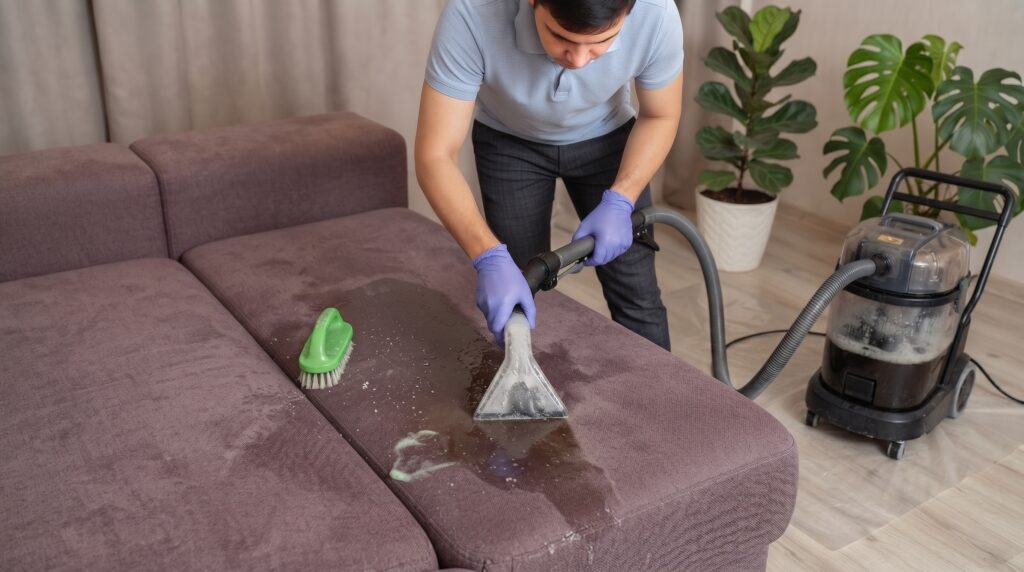
Steam cleaning chenille requires caution. High heat and excessive moisture can flatten the nap, cause shrinkage, or alter the fabric’s texture if the equipment is used too aggressively.
Light steaming from an appropriate distance may help refresh certain fabrics, but handheld steamers used directly against chenille can create problems.
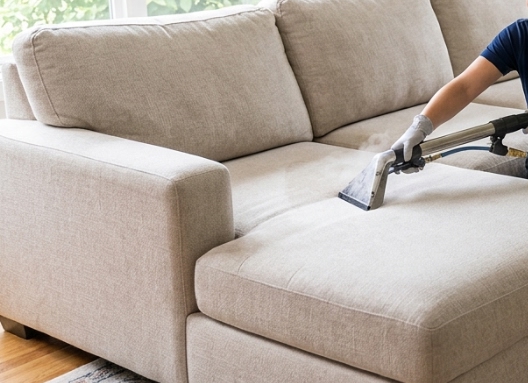
Professional upholstery cleaners have equipment with adjustable pressure and temperature settings and can choose a method based on the fabric’s construction. When you’re unsure whether your chenille can safely tolerate steam, professional cleaning is the safer option.
How Chenille Compares With Other Upholstery Fabrics
Chenille is not the only upholstery material that requires careful handling.
Cotton upholstery may tolerate water better in some cases, although it can still absorb stains quickly. Velvet also requires special care because its pile can become crushed or matted when exposed to excessive pressure or moisture.
The key is to treat each fabric according to its own cleaning requirements rather than using the same technique on every piece of furniture.
How Often Should Chenille Upholstery Be Cleaned?
Chenille does not require constant deep cleaning, but regular maintenance helps prevent dirt and debris from becoming embedded in the fabric.
A good maintenance routine includes:
- Weekly: Vacuum the upholstery gently.
- Immediately: Blot spills as soon as they happen.
- Every 6–12 months: Schedule a deeper cleaning for normally used furniture.
- Every 4–6 months: Consider more frequent cleaning if you have pets, children, or heavy daily use.
Regular maintenance can help preserve both the appearance and softness of chenille.
What Should You Avoid When Cleaning Chenille?
Certain cleaning methods can permanently damage chenille. Avoid the following:
- Machine washing: Unless the manufacturer specifically says it is safe, machine washing can distort and crush the yarn.
- Excessive water: Too much moisture can cause clumping, shrinkage, water marks, or color bleeding.
- Stiff brushes: Hard bristles can flatten, snag, or damage the nap.
- Harsh chemicals: Bleach and products not designed for upholstery can cause discoloration or weaken the fibers.
- Aggressive scrubbing: Friction can permanently change the texture of the fabric.
How to Restore Chenille’s Nap After Cleaning
Once the upholstery has completely dried, you may notice that the nap looks slightly flattened.
Don’t aggressively brush the fabric. Instead, gently lift the fibers with your fingertips, a clean microfiber cloth, or a very soft-bristled brush. Work slowly and follow the natural direction of the nap.
Allow the couch to dry completely before using it again.
When Should You Call a Professional?
Professional upholstery cleaning is worth considering when you’re dealing with a large stain, deep-set odor, pet accidents, or a fabric with an S or X cleaning code.
Professional cleaners have specialized equipment and fabric-specific cleaning solutions that can help remove embedded soil while reducing the risk of damaging delicate chenille.
When the condition of the fabric is uncertain, professional assessment can also help prevent an inexpensive stain from becoming permanent fabric damage.