
-
If you’re sneezing more than usual at home or dealing with itchy eyes, a runny nose, or even asthma symptoms, your carpet might be the cause. It’s surprising, but that soft, cozy flooring underfoot could be trapping allergens, dust mites, and other pollutants that impact your indoor air quality and make you feel sick.
Let’s break down how a dirty carpet may be making you sick, the common signs to look out for, and what you can do (fast) to create a healthier home environment here in Los Angeles, California.
How Carpet Can Cause Allergy And Asthma Symptoms
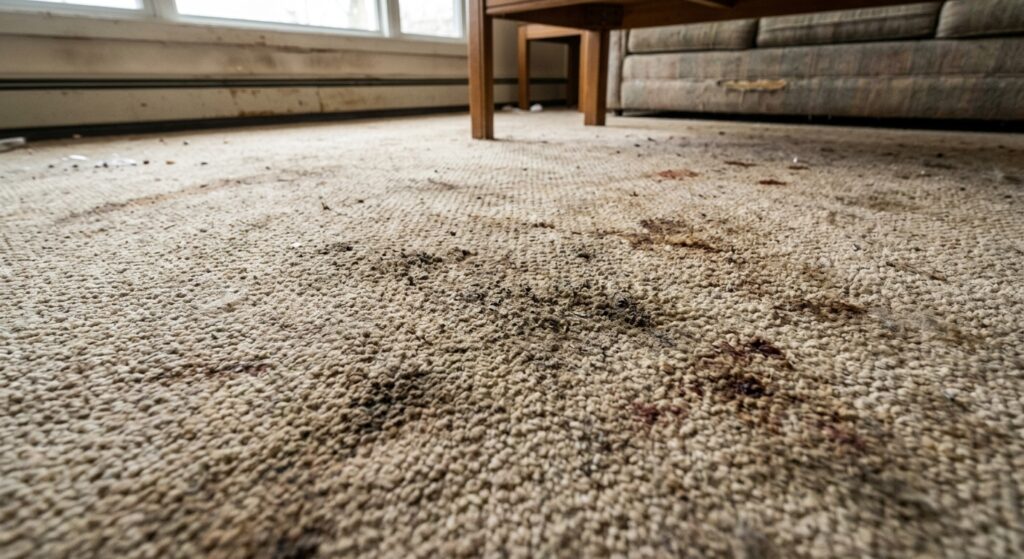
Your carpet acts like a sponge. It collects dust, pet dander, pollen, and particles from outside.
Over time, these get ground deep into the carpet fibers, especially in high-traffic areas. When disturbed, like by walking or vacuuming, these airborne irritants can rise into the indoor air, triggering allergic reactions, respiratory irritation, or even asthma attacks.Common Indoor Allergens Trapped in Carpet
Your carpet could be harboring:
- Dust mites and their droppings
- Pet dander from cats and dogs
- Pollen tracked in from outside
- Skin cells and hair
- Mold spores
- Traces of volatile organic compounds (VOCs) from furniture, disinfectants, and cleaning solutions
Most of these indoor allergens are too small to see, but your body reacts to them all the same.Warning Signs Your Carpet Might Be Affecting Your Health
Wondering if your carpets and rugs are part of the problem? Here’s what to watch out for:
Allergy Symptoms That May Be Carpet-Related
- Frequent sneeze attacks or a runny nose indoors
- Itchy eyes or skin irritation
- Unexpected cough or frequent throat clearing
- Worsening asthma symptoms, like wheezing or shortness of breath
- Headaches, fatigue, or discomfort that starts at home
When your home environment is triggering these respiratory symptoms, it may be time to look underfoot.The Hidden Dangers of a Dirty Carpet
Ignoring your carpet could lead to more than a few sniffles. Over time, it can become a reservoir for germs, bacteria, and microorganisms that impact your overall health and comfort.
Health Risks Connected to Dirty Carpet
- Respiratory conditions like asthma
- Allergic rhinitis
- Contact dermatitis
- Indoor mold exposure
- Even severe stomach irritation and infection if harmful pathogens are present
According to the American Lung Association, poor ventilation combined with everyday habits can increase exposure to indoor air pollutants, especially in homes with carpet.Why Regular Carpet Cleaning is Crucial
Proper and consistent carpet cleaning helps effectively remove anything trapped in your flooring, which could otherwise lead to respiratory problems or allergy flares.
How Cleaning Can Help
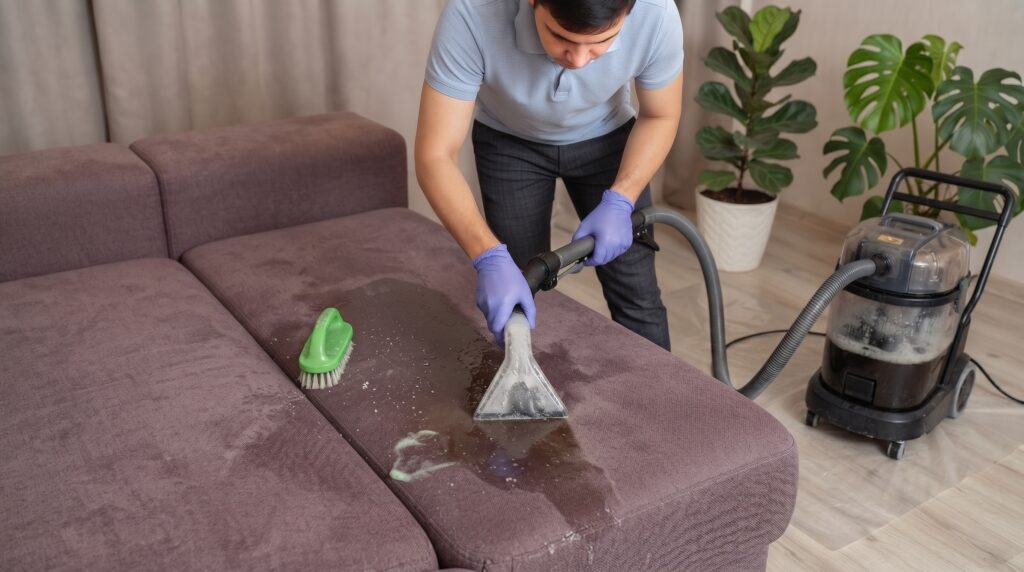
Regular professional carpet cleaning does more than revitalize your carpet. It also:
- Improves indoor air quality
- Reduces the amount of dust and pet dander
- Helps eliminate house dust mite allergens
- Slows the buildup of mold from trapped moisture
- Removes embedded pollutants that can cause health problems, such as headaches
For people with asthma and allergies, this can be life-changing.Home Maintenance Tips Between Cleanings
- Vacuum with a HEPA (high efficiency particulate air) filter 2-3 times per week
- Keep humidity low to manage mold spores
- Use an air purifier if possible
- Avoid walking on the carpet with shoes
- Use mats at entrances to reduce tracked-in pollen and dirt
Professional Carpet Cleaning vs. DIY
Yes, you can vacuum, and yes, that helps. But DIY methods often miss what’s deep in the carpet fibers, especially if it’s been years (or never) since a thorough clean.