
-
If your carpet still smells a little off after vacuuming, or the traffic lanes look darker no matter what you do, the question usually comes down to steam cleaning vs shampoo carpet. Both methods can make carpet look better, but they do not clean the same way, and the wrong choice can leave behind residue, extra moisture, or results that fade fast.
For homeowners and small businesses in Los Angeles, that difference matters. Between pets, dust, dry outdoor air, shoes tracking in grit, and high foot traffic, carpets here collect more than visible dirt. You are not just choosing a cleaning method for appearance. You are choosing how well your carpet is actually rinsed, how quickly it dries, and how long it stays fresh.
Steam cleaning vs shampoo carpet: what is the difference?
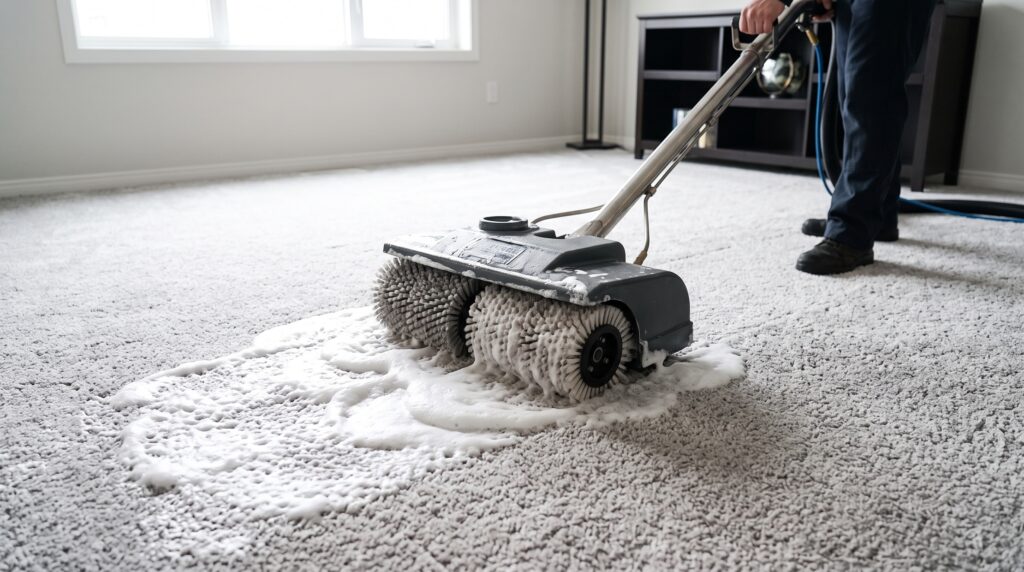
The biggest difference is how soil is removed from the carpet fibers. Shampooing uses a detergent-based solution that is scrubbed into the carpet to loosen dirt. In some cases, a machine then pulls part of that moisture back out. It can improve appearance quickly, especially on heavily soiled areas, but it often leaves behind some residue if the carpet is not thoroughly extracted.
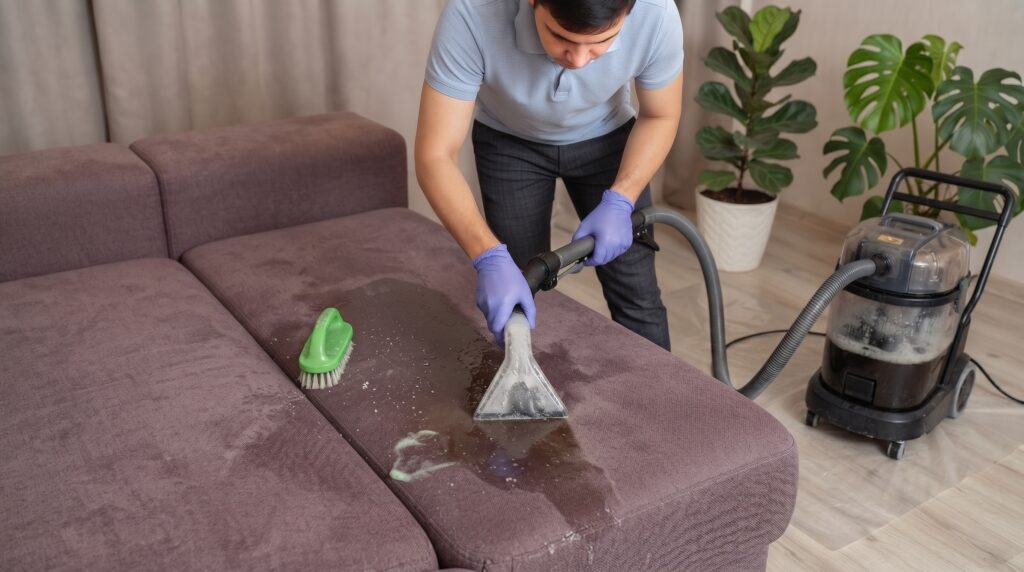
Steam cleaning, more accurately called hot water extraction, uses heated water and a cleaning solution to break up soil, followed by strong suction to remove the water, dirt, allergens, and dissolved debris. Despite the name, it is not just steam. The key advantage is extraction. The system is designed not only to loosen dirt, but to pull it out.
That difference affects everything that comes next – drying time, residue, softness, odor control, and how soon the carpet gets dirty again.
How shampoo carpet cleaning works
Shampoo carpet cleaning was once the standard approach for many residential jobs. A foamy or liquid cleaner is applied and agitated with a machine or brush. The scrubbing action helps separate dirt from the fibers, which can make carpet look brighter right away.
This method can be useful when appearance is the main concern and the carpet has heavy surface soil. It also works as a pre-treatment step in some professional cleaning systems. But as a stand-alone method, shampooing has a limitation that matters to most property owners: soap left behind can attract dirt.
That is why some carpets seem clean for a week or two, then start looking dingy again. The carpet was cleaned on the surface, but not fully rinsed. In homes with kids or pets, that leftover residue can also trap odors and contribute to a stiff or sticky feel underfoot.
How steam cleaning works on carpet
Steam cleaning goes deeper because it combines heat, solution, agitation when needed, and extraction. Heated water helps break apart embedded soil, body oils, pet dander, and residue from spills. The machine then removes much of that contamination from below the surface.
For families concerned about allergens, pet odors, or buildup in older carpet, this is usually the more complete method. It is also the preferred approach for many manufacturers because it cleans thoroughly without relying on large amounts of detergent left in the pile.
A professional technician can also adjust the process based on carpet material, pile height, and level of soiling. That matters more than most people realize. Not every carpet should be treated with the same amount of moisture or the same spotting agents.
Which method cleans better?
In most cases, steam cleaning delivers a deeper clean. It removes more soil from the carpet instead of mainly moving it around the fibers with detergent and agitation. That makes it the better choice for homes with pets, recurring odors, allergy concerns, or noticeable traffic patterns.
Shampooing can still improve appearance, especially on neglected carpet with heavy surface grime. But if the goal is to remove contaminants and not just freshen the look, hot water extraction usually wins.
The trade-off is that steam cleaning depends heavily on the equipment and the person using it. A low-powered rental machine is not the same as professional extraction equipment. If too much water is used or too little is recovered, dry times can stretch out and odors can develop. Done properly, though, steam cleaning is the more effective long-term option.
Steam cleaning vs shampoo carpet for stains and odors
This is where many customers make the wrong assumption. Shampooing may make a stain look lighter, but that does not always mean the stain is fully removed. Some spots come back because the residue below the surface wicks upward as the carpet dries.
Steam cleaning is often better for stain removal because it flushes out more of the material causing the discoloration. It is also stronger for odor control when paired with the right treatment. Pet accidents, spilled drinks, food residue, and tracked-in grime tend to settle below the top layer of fiber. If they are not extracted, the smell can linger.
That said, no method is magic on every stain. Dye stains, bleach spots, and older pet contamination may need specialized treatment or may be permanent. Honest service matters here. A trustworthy cleaner explains what is likely to improve, what may only partially lift, and what cannot be reversed.
What about drying time?
Drying time is one of the biggest concerns for busy households and commercial spaces. Shampooing can sometimes leave carpet wetter than expected because of the amount of product used and the limited rinsing power of some machines. Steam cleaning also uses moisture, but professional extraction equipment removes much more of it during the process.
In real-world conditions, professionally steam-cleaned carpet often dries within several hours, depending on airflow, humidity, carpet thickness, and how heavily soiled the carpet was. Shampooed carpet may dry unevenly if excess detergent and moisture remain in the fibers.
Los Angeles homes often benefit from faster drying conditions than more humid regions, but that does not eliminate the need for proper extraction. Good airflow, open windows when appropriate, and HVAC circulation all help, but the cleaning method still matters.