

How to Clean Chenille Upholstery Without Crushing the Nap
-
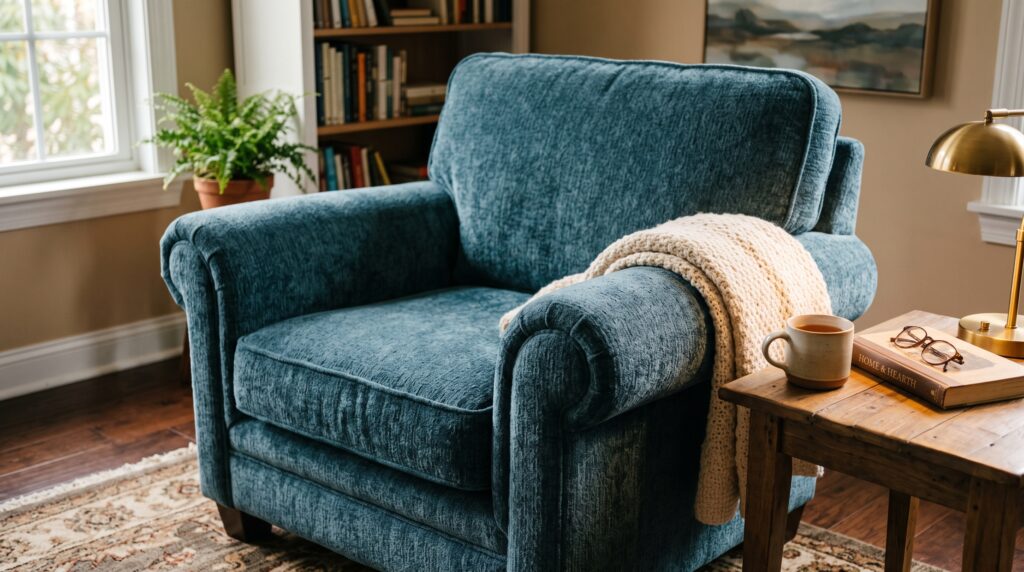
Chenille fabric is one of those textiles that looks and feels incredible but can make you nervous the moment something spills on it. The soft, velvety loops of yarn that give it that signature plush texture are also the very thing that makes cleaning tricky. Press too hard, use the wrong liquid, or rub in the wrong direction, and you can permanently flatten the nap.
The good news? With the right approach, you can clean chenille upholstery at home without damaging those delicate fibers.
What Makes Chenille So Tricky to Clean
Chenille, derived from the French word for “caterpillar,” gets its texture from short lengths of fiber twisted around a core yarn. This construction is similar in feel to bouclé or even linen in terms of sensitivity, but chenille is particularly prone to crushing when wet.
Most chenille upholstery is made from polyester, cotton, or a blend of both. Some versions also incorporate acrylic or rayon. Because the fiber absorbs liquid quickly, over-wetting is one of the most common mistakes people make when trying to remove a stain.
Before you reach for any cleaner, it also helps to check the upholstery cleaning code on the tag under your cushion or furniture. It tells you at a glance whether water, solvent, or vacuum-only cleaning is safe for that specific piece, which matters even more on a fabric as sensitive as chenille.
How to Vacuum Chenille Without Damaging It
Regular vacuuming is the most important part of maintaining chenille upholstery. Dust, crumbs, and debris work their way into the yarn loops and can dull the texture over time.
Use the upholstery attachment on your vacuum – never a stiff brush attachment. Always move in the direction of the nap, not against it. If you are unsure which direction the nap runs, lightly stroke the fabric with your hand and notice which direction feels smoother. Vacuum in that direction every time.
Treating a Stain on Chenille Fabric
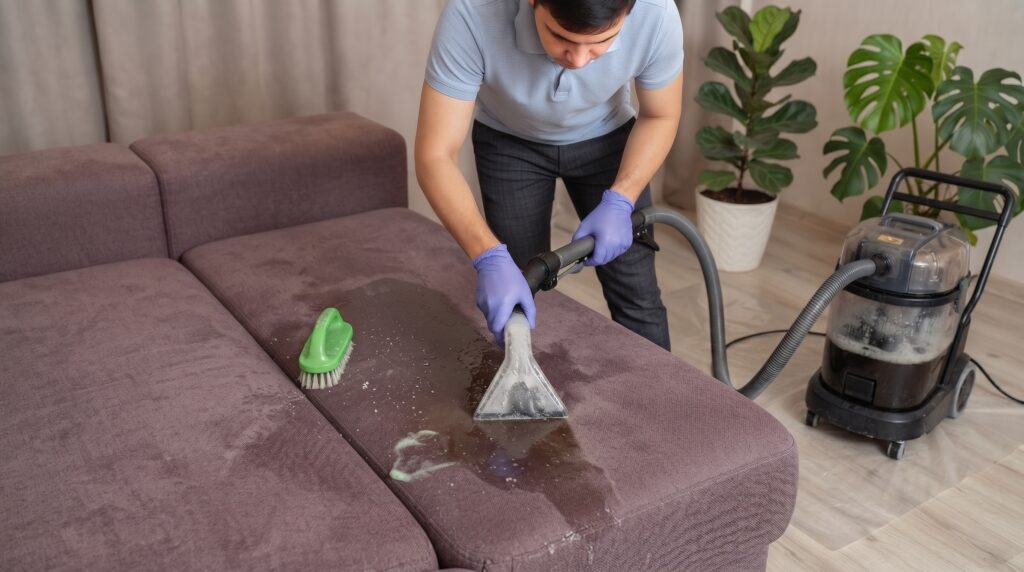
- Act fast when something spills. Blot – do not rub – the area immediately with a clean microfiber cloth to absorb as much of the liquid as possible. Rubbing pushes the substance deeper into the fiber and can distort the loops.
- For water-safe chenille, a small amount of mild soap diluted in cool water works well for most stains. Apply the foam from the soap mixture rather than the liquid itself, using a soft cloth or a gentle brush in light strokes. This limits how much moisture penetrates the textile.
- Folex is a popular water-based upholstery cleaner that many people trust for fabric like chenille. It is gentle on fiber, rinse-free, and effective on a wide range of stains without leaving residue.
Can You Use Steam to Clean Chenille?
This is where things get nuanced. Standard steam cleaning, especially superheated steam, can flatten the nap and cause shrinkage if applied too aggressively. However, light steaming at a safe distance, used carefully, can help loosen debris and refresh the fabric.
Companies like Stanley Steemer use professional-grade equipment with adjustable pressure settings, which is very different from using a consumer handheld steamer at close range. If you are considering steam, professional upholstery cleaning is the safer route for chenille.
How Chenille Compares to Other Upholstery Fabrics
Chenille isn’t the only upholstery that asks for a gentler touch, so it helps to know how it stacks up if your home has a mix of furniture.
Cotton upholstery is generally more forgiving with water and can handle a wider range of cleaners, though it still stains easily if a spill sits too long. Velvet shares chenille’s sensitivity to crushing and matting, and both fabrics respond best to brushing in the direction of the pile rather than scrubbing. If you’re furnishing a room with several fabric types, it’s worth learning the care steps for each piece instead of treating every cushion the same way.