
-
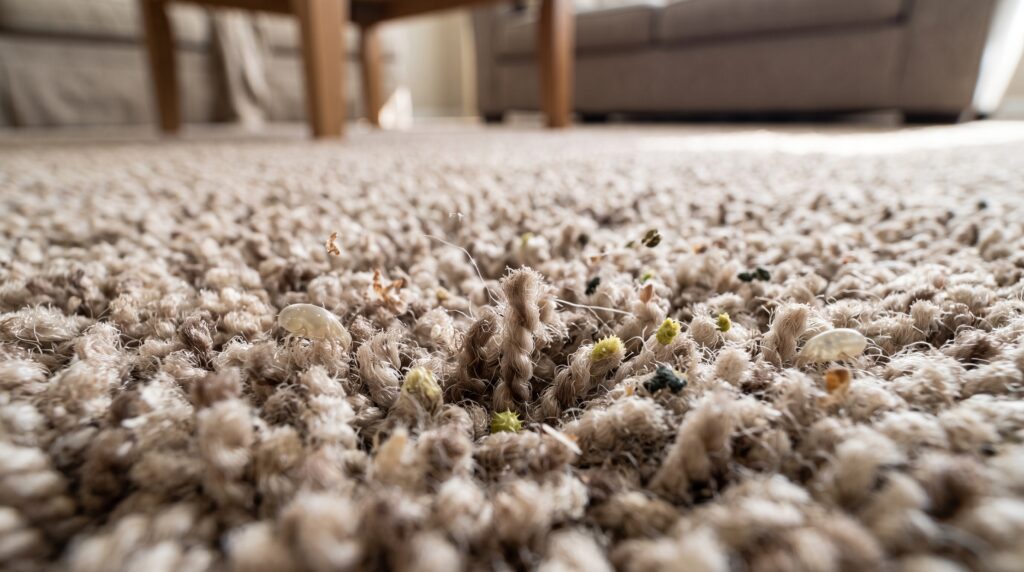
If your carpet looks clean but you still wake up stuffy, sneeze more indoors, or notice allergy flare-ups after the kids or pets spend time on the floor, the carpet may be part of the problem. To remove allergens from carpet, you need more than a quick once-over with a vacuum. Dust mites, pet dander, pollen, and fine debris settle deep into carpet fibers and padding, where they can linger long after the surface looks tidy.
In Los Angeles homes, that buildup happens faster than many people expect. Open windows, dry outdoor conditions, foot traffic, pets, and everyday living all bring particles inside. Carpet helps trap some of that material, which can be helpful at first, but once it accumulates, the carpet can start holding onto irritants instead of protecting against them.
What builds up in carpet and why it matters
Most allergy-related carpet problems come from a mix of fine particles rather than one obvious source. Pet dander is a common one, especially in homes where dogs and cats spend time on rugs, stairs, or bedroom carpets. Pollen gets tracked in from shoes, clothing, and open doors. Dust mites thrive anywhere skin flakes and dust collect. Even if you vacuum regularly, those particles can stay behind when they settle below the top layer.
That is why allergy symptoms sometimes persist even in homes that are cleaned often. Surface debris is only part of the picture. Deep in the pile, carpet can hold onto microscopic material that basic cleaning does not fully remove.
For families with children who play on the floor, people with asthma or sensitivities, and pet owners, this matters for more than appearance. Cleaner carpet can mean a fresher room, fewer odors, and a more comfortable indoor environment.
How to remove allergens from carpet effectively
The first step is understanding that dry debris and embedded residue behave differently. A vacuum is excellent for ongoing maintenance, but it does not always lift what has bonded to fibers or settled into the backing. To remove allergens from carpet effectively, most homes need a combination of consistent maintenance and periodic deep cleaning.
Start with slow, thorough vacuuming using a machine with strong suction and a quality filtration system. Fast passes tend to miss settled material. High-traffic areas, bedrooms, and spaces where pets rest should get extra attention. If the vacuum is older or poorly sealed, some fine particles can blow back into the air, which defeats the purpose.
After vacuuming, the next question is whether the carpet needs a deeper reset. If there is lingering odor, visible dullness, recent pet activity, or ongoing allergy symptoms, deep cleaning usually makes a noticeable difference. This is where method matters.
Steam cleaning and hot water extraction
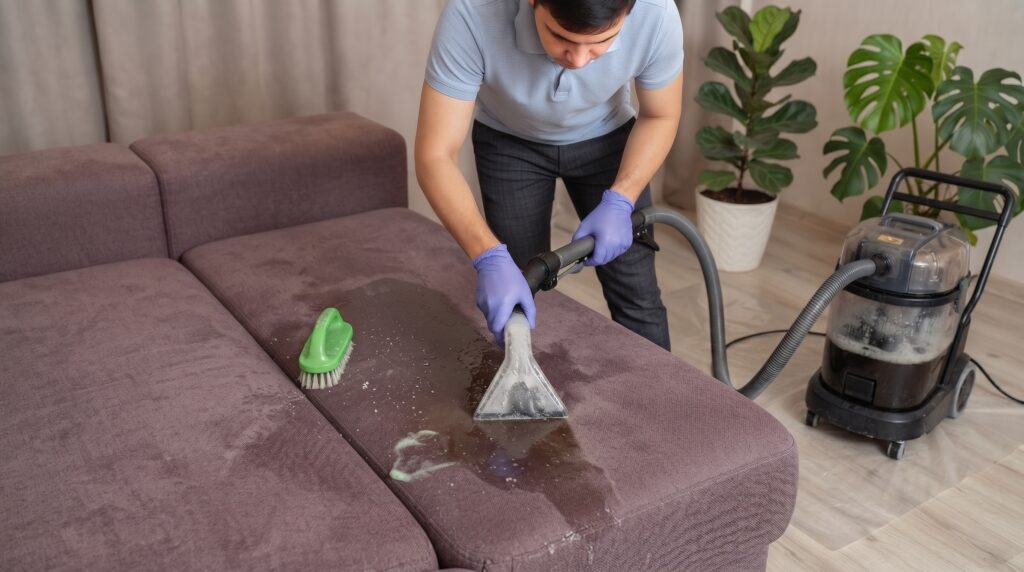
Professional hot water extraction is one of the most effective ways to reduce allergen buildup in carpet. The process works by flushing out embedded soil, dander, dust, and residues from deep within the fibers, then extracting the moisture and suspended debris. Done properly, it removes far more than a surface-level clean.
People sometimes worry that steam cleaning leaves carpet too wet and creates new issues. That can happen with poor technique or outdated equipment. With professional-grade extraction and proper airflow, drying times are controlled, and over-wetting can be avoided. The goal is not simply to soak the carpet. The goal is to loosen what is trapped and remove it thoroughly.
Low-moisture cleaning for the right situations
Not every carpet or situation calls for the same process. Low-moisture methods can be useful when faster drying is a priority or when the carpet material requires a more tailored approach. This can work well in light commercial spaces, apartments with tight schedules, or homes where certain fabrics need a gentler treatment.
The trade-off is that low-moisture cleaning may not always deliver the same flush-out effect as full extraction when allergen buildup is heavy. It depends on the carpet condition, the fiber type, and how long the buildup has been there.