

-
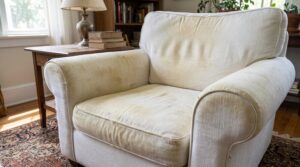
If your white couch or chair looked crisp and bright when you bought it, but now it has a dingy yellow cast, you are not alone. Between the Los Angeles dust and dirt, sun, and daily use, white furniture naturally starts to turn yellow over time.
This guide will walk you through exactly how to clean white upholstery that has yellowed, using safe cleaning methods you can handle at home. We will also be clear about when it is time to call a professional, so you do not damage the fabric you are trying to save.
Why White Upholstery Turns Yellow
Before you clean a white sofa or chair, it helps to understand why it changed color in the first place. That way, you can tackle the real problem, not just the surface.
Common causes of yellow or brown discoloration:
- Body oils and sweat: Natural oils from skin and hair soak deeper into the fabric over time and attract dirt.
- Dust and dirt in the living room: In Los Angeles, open windows, traffic, and air pollution send fine particles onto white furniture.
- Direct sunlight: UV rays can weaken fibers, fade dye, and make light fabrics look yellow or brown.
- Old cleaner residue: Using the wrong cleaner or too much soap leaves residue that can oxidize and turn yellow.
- Moisture: Over-wetting fabric without speed drying can cause browning or water marks.
Understanding these causes helps you choose a cleaning process that actually restores brightness instead of making the fabric look worse.Check Fabric Type Before You Clean White Upholstery
Before you learn how to clean and start mixing a cleaning solution, look for the care tag on your upholstered furniture. It might be under a cushion, on the slipcover, or on the frame.
You may see codes like:
- W: You can wet clean with water-based products.
- S: Use a solvent cleaner only – no water.
- W/S: Water-based or solvent is usually fine.
- X: Vacuum only – call a professional for anything more.
Common fabrics you might see:- Cotton or linen: Beautiful, but can shrink or weaken with rough scrubbing.
- Microfiber: Often easy-to-clean, but can water spot if you soak it.
- Blends (polyester, rayon, etc.): Usually sturdy, but always test a small area first.
If the tag is missing or confusing, always test your cleaning solution on a hidden spot with a clean cloth or sponge first. If the color lifts, the spot turns yellow or brown, or the fibers roughen, stop and consider professional cleaning.Prep Steps: Before You Tackle Yellow Upholstery
Take a few minutes to prep your white furniture. It makes a big difference.
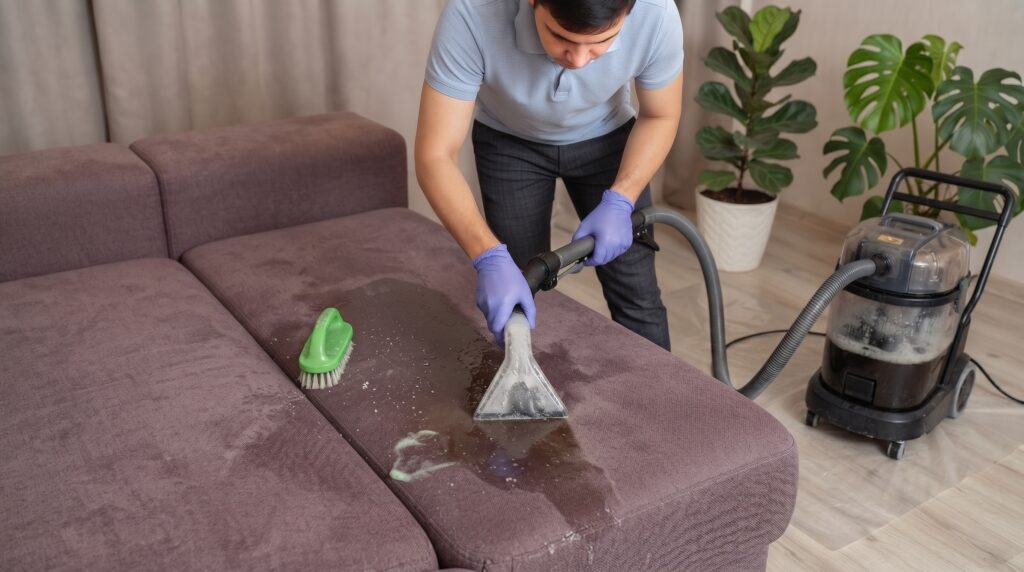
1. Vacuum thoroughly
- Use the upholstery tool on your vacuum to pull dust and dirt out of the cushion seams, arms, and entire surface.
- This keeps grit from rubbing deeper into the fabric while you clean.
2. Remove and wash slipcovers if allowed
- If your slipcovers are machine washable, follow the tag instructions.
- Use a gentle detergent, avoid bleach, and dry completely before putting them back on.
3. Handle fresh spots first
- If you see a specific stain (like red wine or coffee), gently blot it with a damp cloth before you work on overall yellowing.
- Do not scrub hard, which can push it deeper into the fabric.
Step-by-Step: How To Clean a White Couch That Has Yellowed
This simple, water-based cleaning solution works on most W or W/S fabrics. If your tag says S or X, skip to the section about solvent and when to call a professional.
Mix a Gentle Cleaning Solution
In a bowl or small bucket, mix:
- 2 cups warm water
- A few drops of mild dish soap or cotton shampoo
- 1 tablespoon white vinegar
- Optional: a sprinkle of baking soda if odor is a problem (add slowly so the foam does not overflow)
Stir gently. You want light foam, not a thick soap layer that will leave residue.Clean in Sections
- Dampen your cloth or sponge
- Use a cloth or sponge (tool) and dip it into the cleaning solution.
- Wring it out well. The goal is to dampen the fabric, not soak it.
- Work in a circular motion
- Gently scrub the fabric in a circular motion on one small section at a time.
- Pay attention to arms, headrests, and the front of each cushion where body oils usually collect.
- Gently blot and rinse
- Use a clean, slightly damp cloth with plain clean water to lightly rinse each cleaned area.
- Gently blot instead of scrubbing hard so you do not weaken the fibers or drive moisture deeper into the foam under the cushion.
- Speed dry the area
-
- Blot with a dry towel to pull out moisture.
- Point a fan or use a hairdryer on a cool or low setting to help it dry completely.
- Avoid direct sunlight on wet fabric, which can cause new yellowing or fading.
Repeat on the entire surface of the couch or chair until everything looks evenly cleaned.Targeting Common Stains on White Upholstery
Sometimes you have both overall yellowing and specific stains. Here is how to handle some trouble spots safely.