Carpet care
How to Reduce Dust, Dander and Pollen Trapped in Carpet
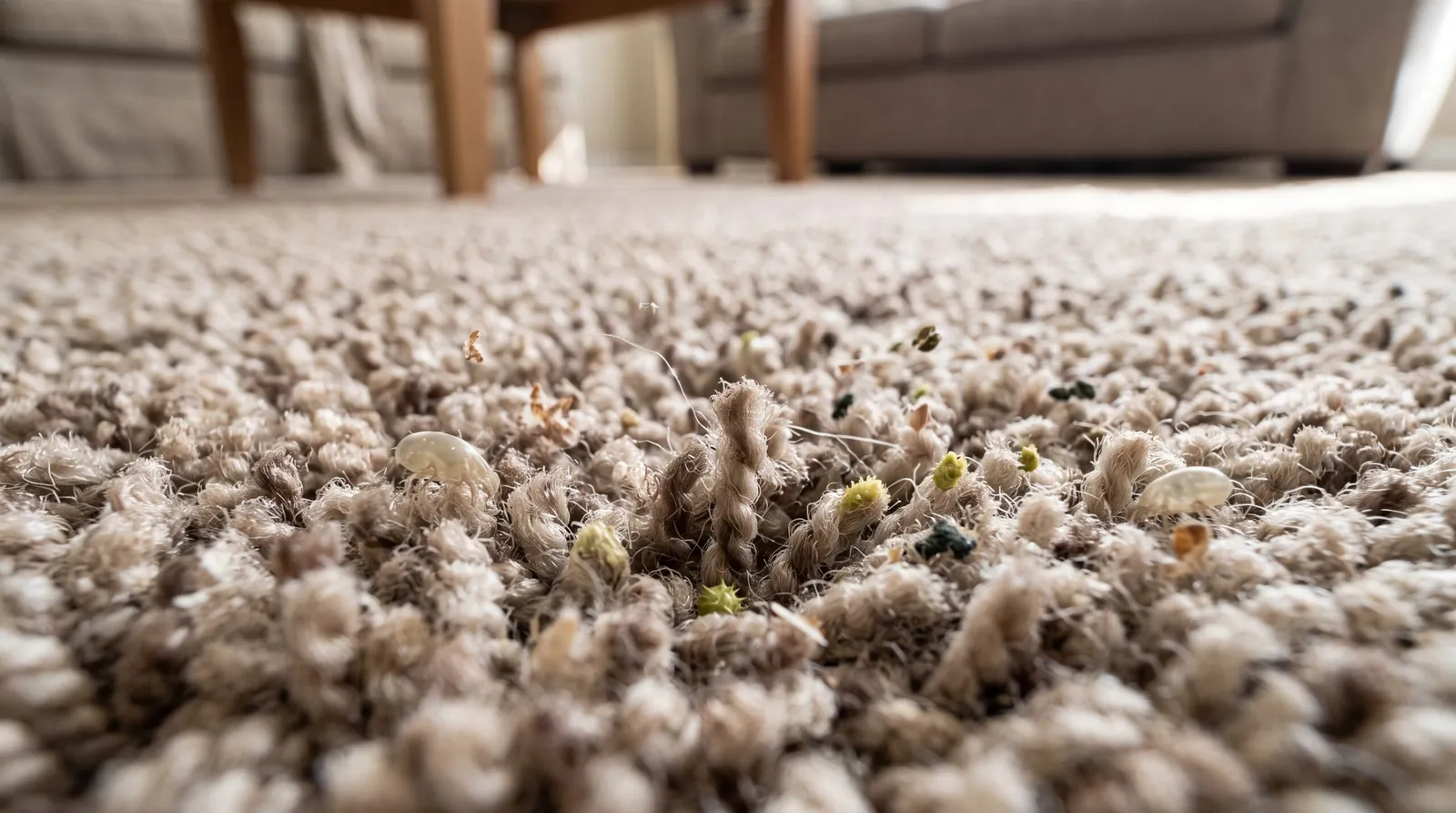
Carpet acts like a filter. Dust, pet dander, canyon and beach grit and seasonal pollen settle into the pile and stay there until something removes them. Nothing on this page is medical advice — it is simply how we physically remove more of that material from a carpet and keep less of it coming back.
By Go4Cleaning Team · Updated August 26, 2026 · 6 min read
Quick answer
Carpet cleaning removes dust, dander and tracked-in grit — it does not treat allergies and is not a medical or disinfection service. Vacuum slowly twice a week, use entry mats, and schedule professional hot-water extraction once or twice a year (more often with pets) to keep the pile from acting like a permanent filter.
Where the material in your carpet actually comes from
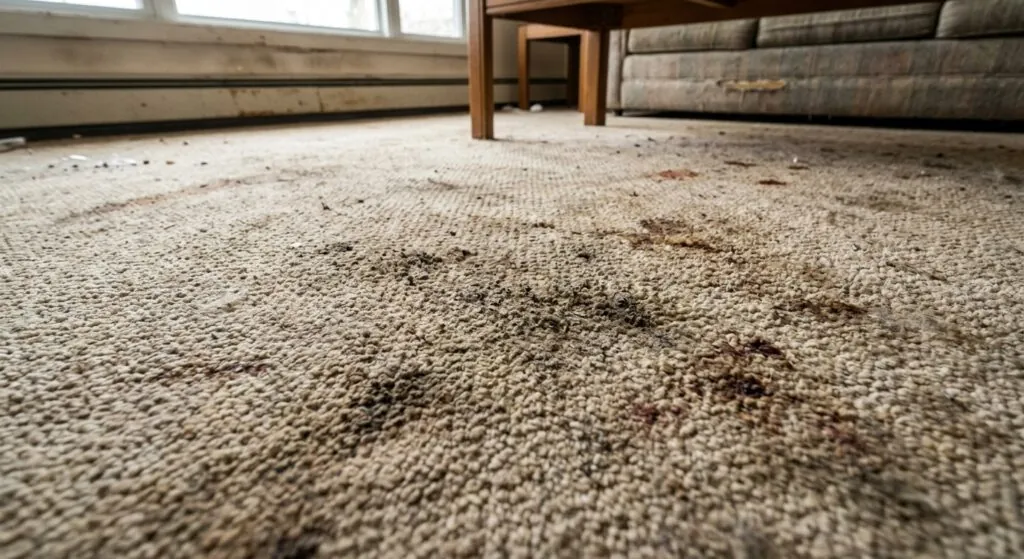
In Los Angeles County most of it walks in on shoes: street grit, garden soil, canyon dust in the hills and fine sand near the coast. Add pet dander, skin cells, textile fibers and whatever blows in through open windows, and a living-room carpet collects a surprising amount of dry material every week.
Dry soil is abrasive. Left in the pile it grinds against the fibers each time someone walks across, which is why neglected traffic lanes look dull long before the rest of the room does.
Vacuuming that actually removes something
- Slow down. Two or three passes in each direction lifts far more than one fast sweep.
- Vacuum traffic lanes and pet areas more often than the whole house — twice a week is realistic.
- Keep the brush height correct for the pile so the beater bar can agitate instead of skating.
- Empty the bin or change the bag before it is full; suction drops off well before it looks full.
- Use the crevice tool along baseboards and under furniture edges, where fine dust collects and never gets touched.
Stop material at the door
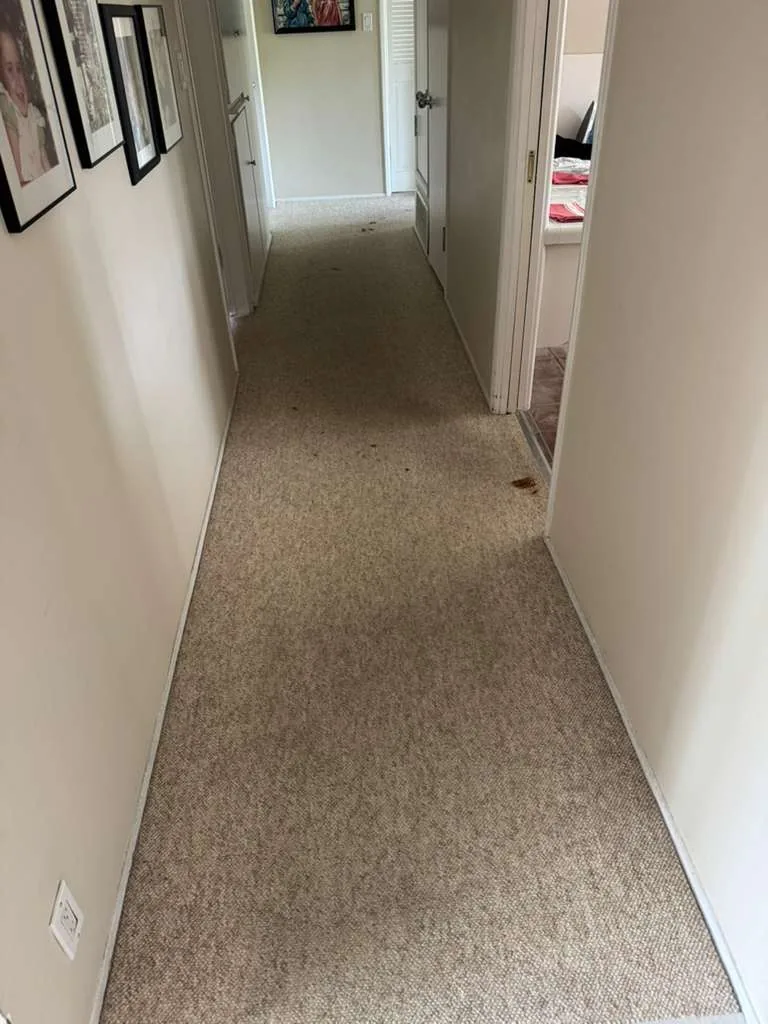
Entry mats inside and outside each exterior door catch a large share of what would otherwise end up in the pile. A shoes-off habit does more than any product sold for the purpose.
Runners in hallways and on stairs take the beating instead of the carpet, and they are far easier to clean or replace.
Where professional extraction fits
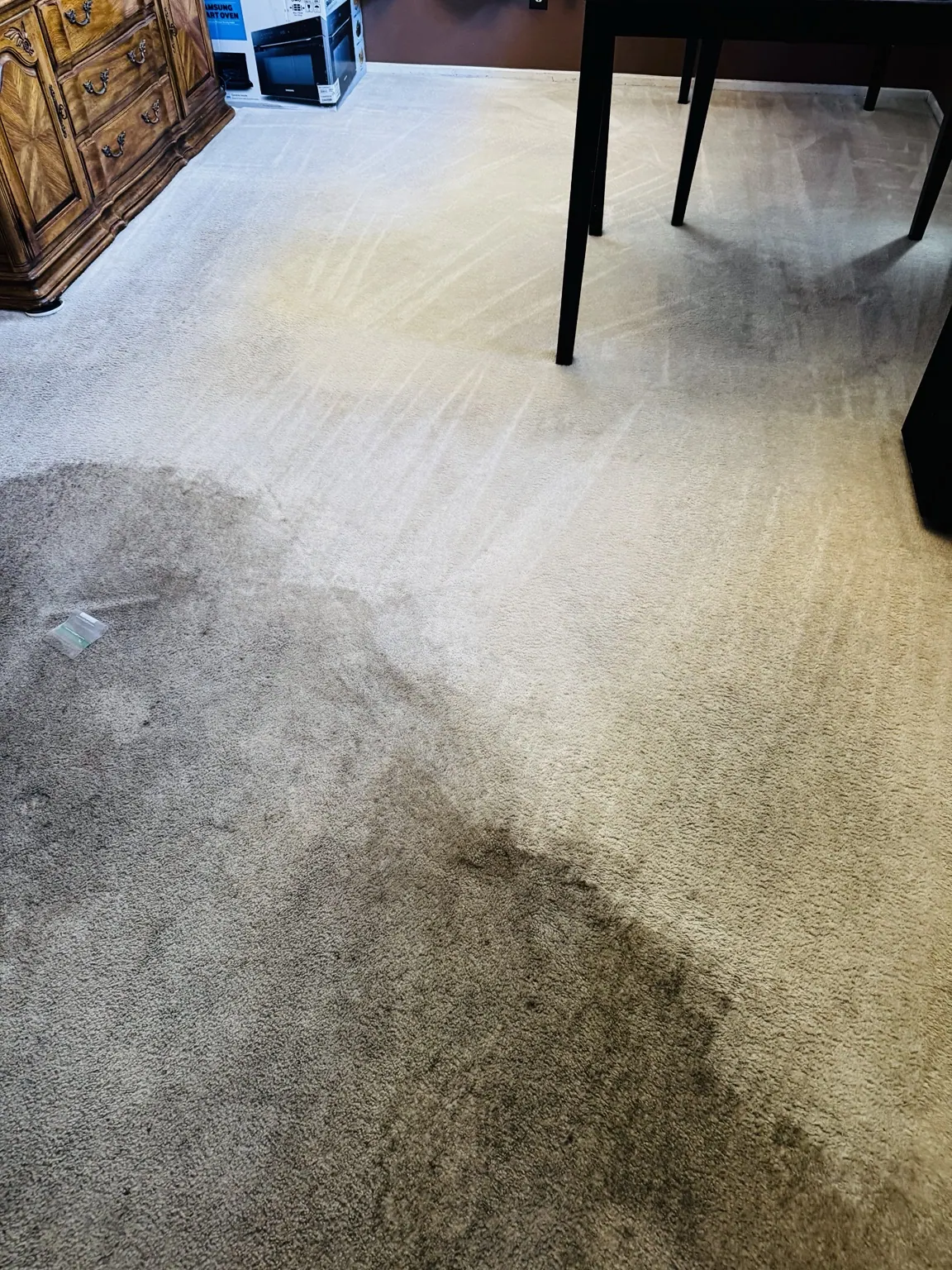
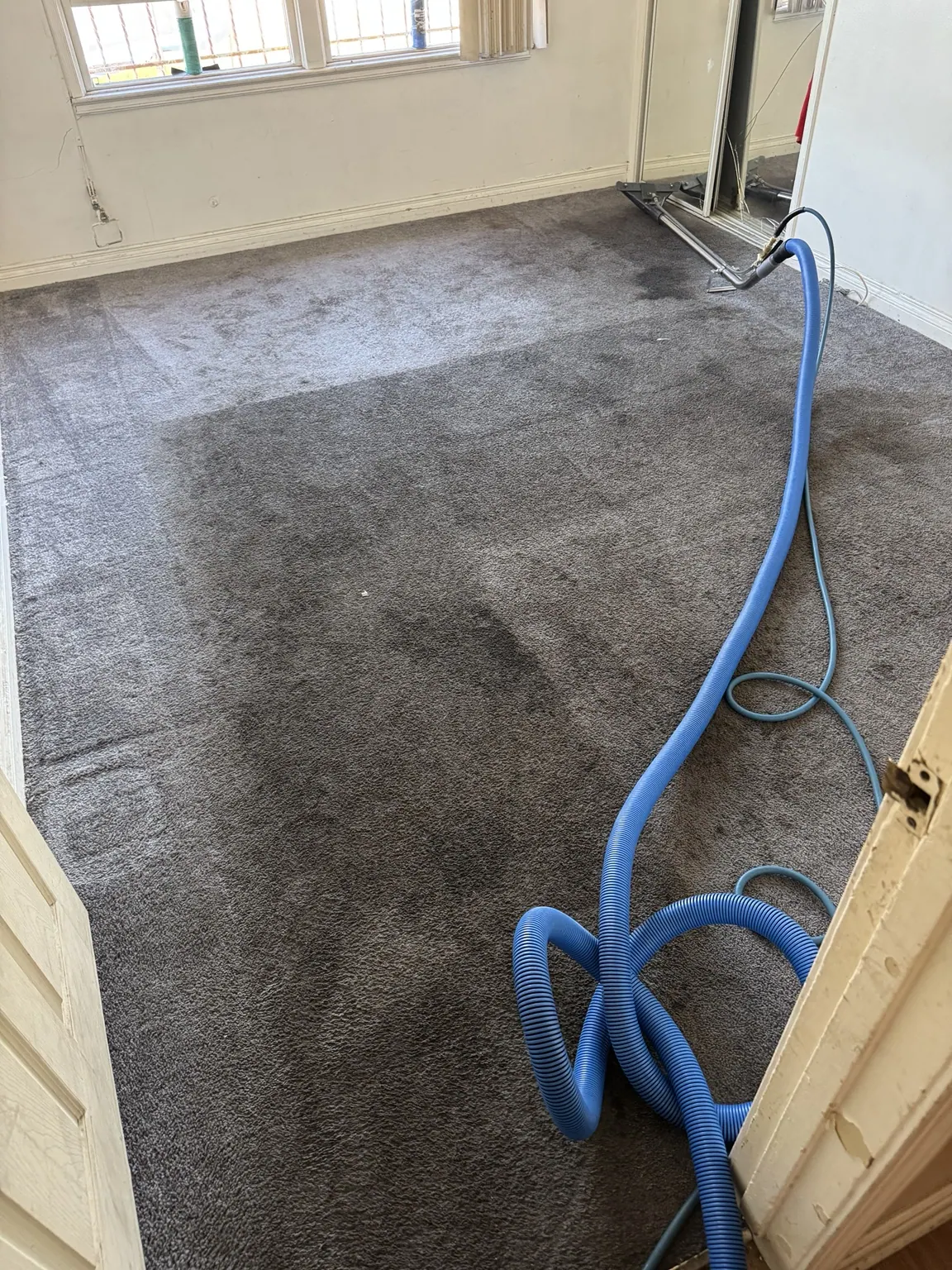
Vacuuming removes dry material near the surface. Hot-water extraction flushes the deeper part of the pile and the base of the fibers, then pulls the water and suspended soil back out. That is the part a household machine struggles with, because the recovery is what matters, not the spraying.
For most homes once or twice a year is enough. Homes with pets, young children, or open windows most of the year usually do better on the shorter cycle.
Dry it fast — every time
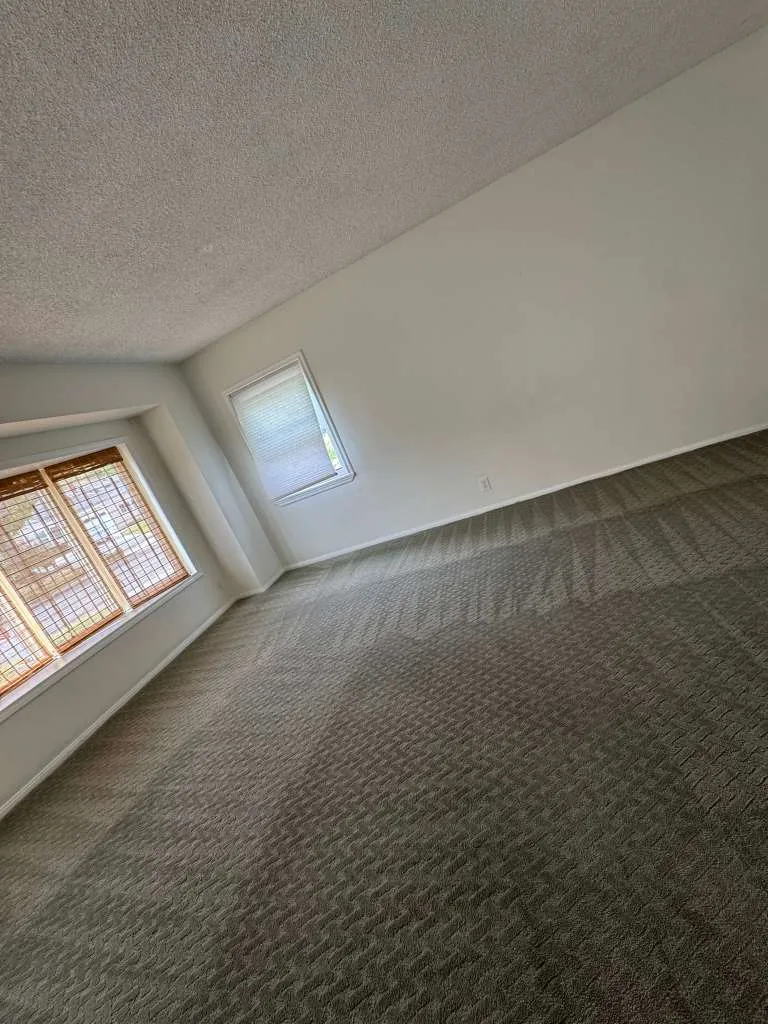
Whatever the method, a carpet that stays damp for a long time will smell worse than it did before. Air movers, moving air through the room and a reasonable ambient temperature matter as much as the cleaning itself.
We leave air movers on jobs that need them and tell you the honest expected dry time rather than a marketing number.
How Cleaning Can Help
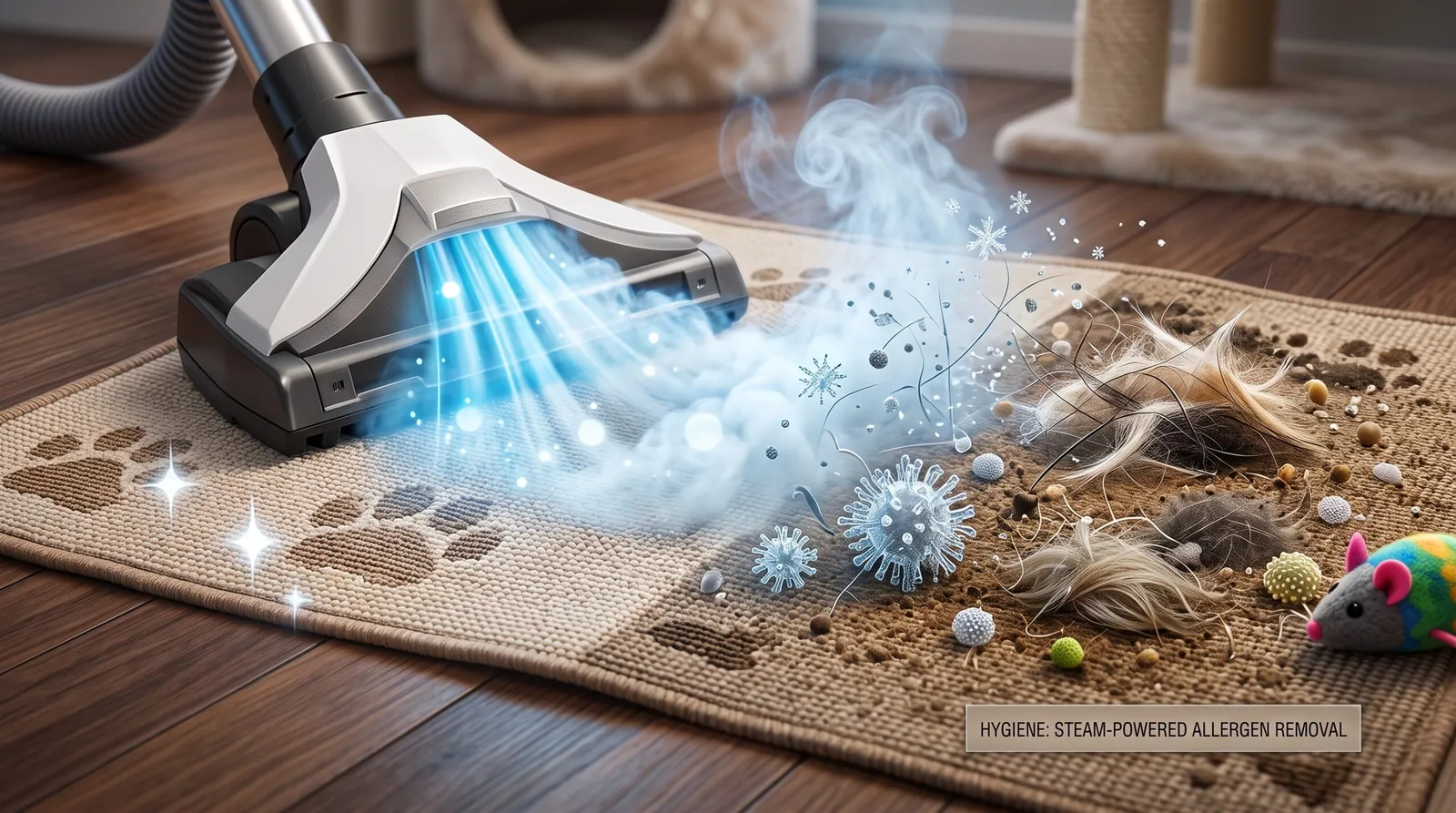
Regular professional carpet cleaning does more than revitalize your carpet. It also:
Reduces the amount of dust and pet dander
Slows the buildup of mold from trapped moisture
Removes embedded pollutants that can cause health problems, such as headaches
Home Maintenance Tips Between Cleanings
Vacuum with a HEPA ( high efficiency particulate air ) filter 2-3 times per week
Use mats at entrances to reduce tracked-in pollen and dirt
How it compares with other fabrics
Yes, you can vacuum, and yes, that helps. But DIY methods often miss what’s deep in the carpet fibers, especially if it’s been years (or never) since a thorough clean.
What builds up in carpet and why it matters
Pet dander is a common one, especially in homes where dogs and cats spend time on rugs, stairs, or bedroom carpets. Pollen gets tracked in from shoes, clothing, and open doors. Dust mites thrive anywhere skin flakes and dust collect. Even if you vacuum regularly, those particles can stay behind when they settle below the top layer.
Surface debris is only part of the picture. Deep in the pile, carpet can hold onto microscopic material that basic cleaning does not fully remove.
Cleaner carpet can mean a fresher room, fewer odors, and a more comfortable indoor environment.
Steam and hot-water cleaning
The process works by flushing out embedded soil, dander, dust, and residues from deep within the fibers, then extracting the moisture and suspended debris. Done properly, it removes far more than a surface-level clean.
People sometimes worry that steam cleaning leaves carpet too wet and creates new issues. That can happen with poor technique or outdated equipment. With professional-grade extraction and proper airflow, drying times are controlled, and over-wetting can be avoided. The goal is not simply to soak the carpet. The goal is to loosen what is trapped and remove it thoroughly.
Low-moisture cleaning for the right situations
Not every carpet or situation calls for the same process. Low-moisture methods can be useful when faster drying is a priority or when the carpet material requires a more tailored approach. This can work well in light commercial spaces, apartments with tight schedules, or homes where certain fabrics need a gentler treatment.
It depends on the carpet condition, the fiber type, and how long the buildup has been there.
Why store-bought carpet products often fall short
Many homeowners try powders, sprays, or rental machines first. That makes sense. It feels convenient, and some products can freshen the surface. But there are limits.
Carpet powders can leave residue behind, especially if they are not fully removed. Some sprays mask odors without actually extracting the source. Rental machines often lack the suction power needed to pull out deeply suspended particles and excess moisture. In some cases, they push soil deeper or leave the carpet damp for too long.
That does not mean DIY care has no value. Regular vacuuming, prompt spot cleanup, and removing shoes indoors all help.
When to call a professional
The biggest benefit is extraction power. Professional equipment is built to pull out what household tools leave behind. Just as important, experienced technicians can adjust the method based on the carpet type, level of buildup, and any concerns about pets, children, or sensitive materials.
That matters in higher-end homes and busy households across Los Angeles, where carpet sees a lot of use and homeowners expect visible results without damage or surprise fees. A good service should be clear about pricing, realistic about outcomes, and careful with your time and your space.
Related service
Carpet cleaningFamily-owned, based in Beverly Hills, serving Los Angeles County and approved Orange County communities.
Recent Go4Cleaning work
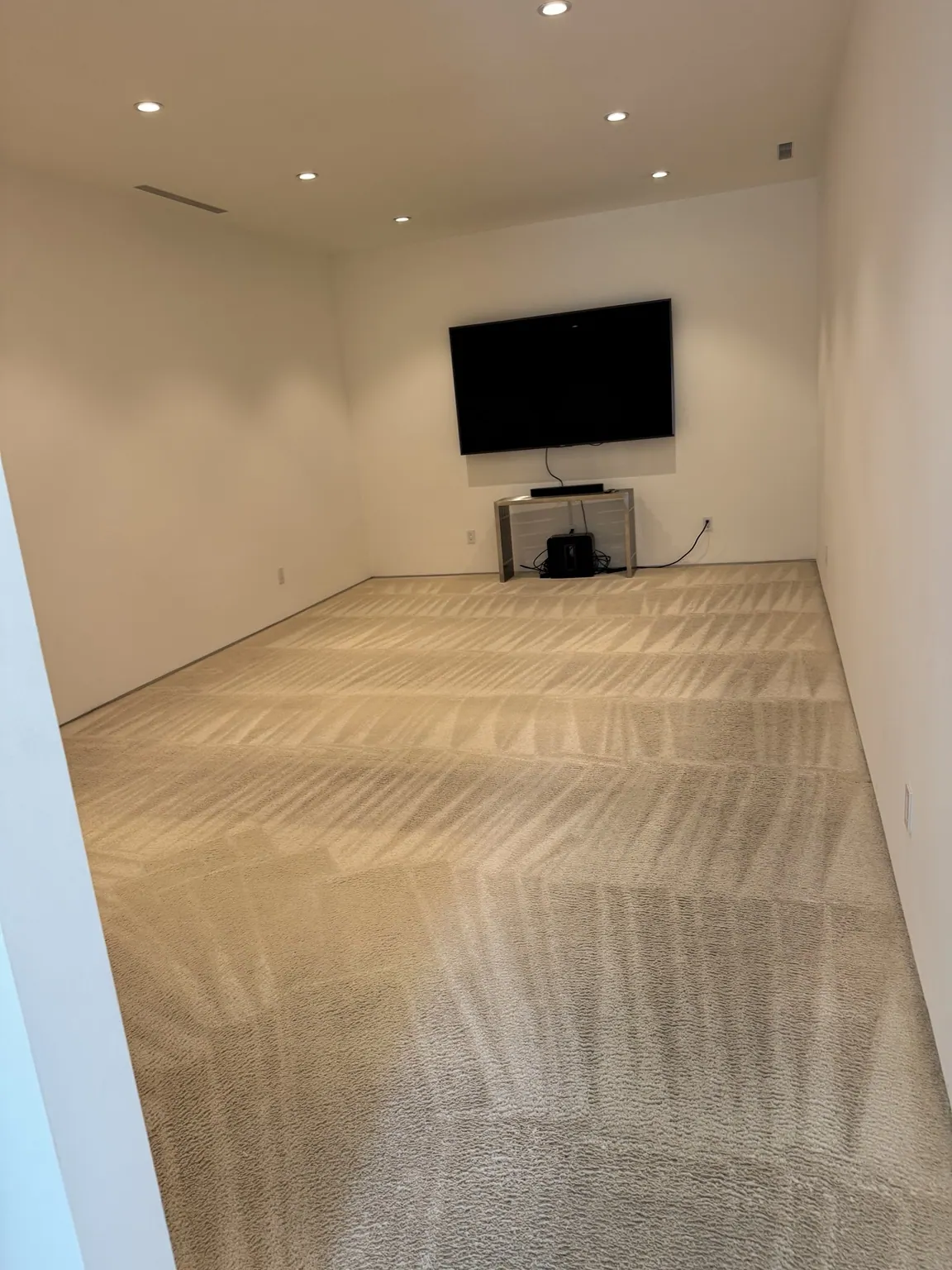
Photos from Go4Cleaning jobs, taken by our own crew.
Common questions
Will cleaning my carpet fix my allergies?
We can't say that, and we won't. Cleaning removes dust, dander and grit from the carpet. Whether that changes how anyone feels is a question for a physician, not a cleaning company.
How often should carpet be professionally cleaned?
Most homes do well with once or twice a year. Homes with pets, kids or heavy traffic lanes usually benefit from every six months.
Is a HEPA vacuum worth it?
It helps keep fine dust from being blown back into the room, which is useful. Technique and frequency still matter more than the label on the machine.
Want this handled properly?
Call or text (866) 631-2244 for a straightforward quote, or send photos with your request.
Cleaning appointments 8:00 a.m. – 8:00 p.m. daily. Calls, messages and scheduling 24/7.