Carpet stains
How to Remove Rust Stains From Carpet Without Damaging the Fibers
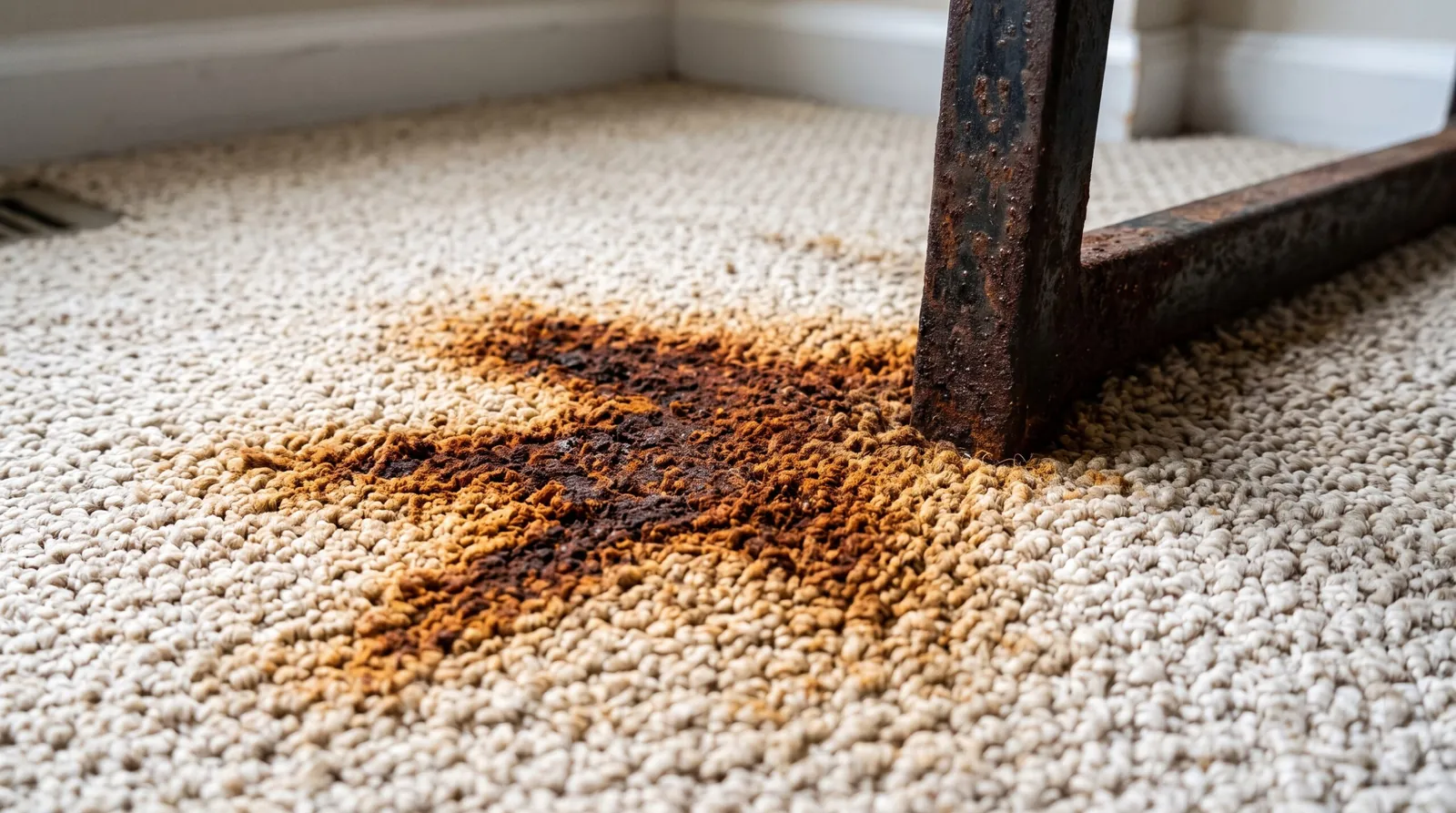
Rust marks usually appear under a metal furniture leg, a plant stand or a radiator, and they behave nothing like a food spill. Iron oxide chemically bonds to the fiber, so no amount of detergent and blotting will shift it. The products that do work are aggressive enough to damage carpet in the wrong hands.
By Go4Cleaning Team · Updated August 26, 2026 · 5 min read
Quick answer
Rust is bonded to the fiber rather than sitting on it, so ordinary detergent will not move it. Stop the source of moisture, remove loose flakes by vacuuming, and check whether a fiber-specific rust product exists for your exact carpet type before using anything on it, testing in a hidden spot first. For wool, unknown fibers, or a stain that has been there a while, get a professional assessment rather than reaching for a household acid or a store-bought rust remover.
Why detergent does nothing
General-purpose cleaners lift soil that sits on the fiber. Rust is not sitting on it — the iron has oxidised in contact with the fiber and effectively become part of it. Scrubbing with a normal cleaner just abrades the pile around a stain that has not moved.
This is also why rust marks reappear so reliably: if the metal object is still there and the carpet still gets damp, more oxide forms in the same place.
Stop the source first
- Move the furniture and dry the area fully before any treatment.
- Put non-staining plastic or wood coasters under metal legs before the furniture goes back.
- Trace the moisture — a leaking planter, a damp exterior wall or a spilled drink under a leg is usually the reason there is rust at all.
- Note whether the carpet is wool or synthetic. It changes what is safe to use, and rust treatments are far riskier on wool.
What you can safely try at home
Blot, never scrub. Scrubbing drives material deeper into the pile and can permanently distort the fibers, which is a harder problem to fix than the original spot.
If the mark does not lift after one careful attempt, or you are not sure of the fiber, stop and get a professional assessment rather than trying a stronger product.
- Vacuum the area and scrape off any loose flaking rust with the edge of a spoon.
- Identify the fiber — check the manufacturer's care label or ask the carpet supplier if you are unsure — since what is safe on one fiber can damage another.
- Use only a spot-treatment product labeled specifically for rust and for that fiber, applied exactly as the label directs. Never mix it with another cleaner.
- Test the product on a hidden piece of the same carpet, such as inside a closet or under a baseboard, and let it dry before judging the result.
- Blot rather than scrub, then rinse the area thoroughly by blotting with plain water and press dry.
The honest warnings
Commercial rust removers are strongly acidic products. They can strip carpet dye instantly, damage the backing, and must never be mixed with bleach or with any other cleaning product. We do not recommend consumer use of them.
Chlorine bleach on a rust mark does not remove rust. It removes the carpet's colour around it, converting a brown spot into a pale one. That change is permanent.
If the rust has been there long enough to weaken the fiber, cleaning will not bring the texture back, and a spot repair or section replacement may be the realistic answer.
What we do differently
We identify the fiber and dye system first, then select a rust treatment matched to it, control the dwell time closely, neutralise the area and extract thoroughly so no active chemistry stays in the carpet. Neutralising is the step home attempts almost always miss.
We also give a realistic assessment before we begin. Some rust lifts completely, some improves, and some has already altered the fiber permanently — we would rather tell you which one you have than charge for a promise.
Treating spills and stains
Rust forms when iron oxidizes after contact with water. The longer it sits, the deeper it sets, which is why acting fast matters.
Using the wrong cleaner, like bleach or ammonia, can cause damage instead of fixing it. These harsh chemicals strip color and can weaken both synthetic fibers and natural fibers such as wool or silk. Knowing what not to use is just as important as knowing what works.
Vacuuming safely
Before applying anything wet, vacuum the area to lift any loose rust particles sitting on the surface. Skipping this step can push the rust deeper into the carpet when you start applying liquid. A quick pass is all it takes.
Cleaning Tips to Protect Your Carpet During Rust Removal
Never use hot water. It can set the stain further into the fibers.
Always test any solution on a hidden spot before applying it to the stained area.
Blot, never rub. A cloth pressed gently does more than aggressive rubbing.
Address stains as soon as possible. The longer the rust sits, the harder removal becomes.
When to call a professional
Some stains just will not budge with DIY methods. If the stain remains or you have a high-quality or delicate rug, it’s time to hire professional carpet cleaning services to remove the rust.
A professional cleaner has access to specialized tools and solutions that can tackle stubborn stains without damaging the surface or fiber structure. It is also the safest option for removing rust from carpets made of wool, silk, or other sensitive materials.
Related service
Carpet cleaningFamily-owned, based in Beverly Hills, serving Los Angeles County and approved Orange County communities.
Recent Go4Cleaning work
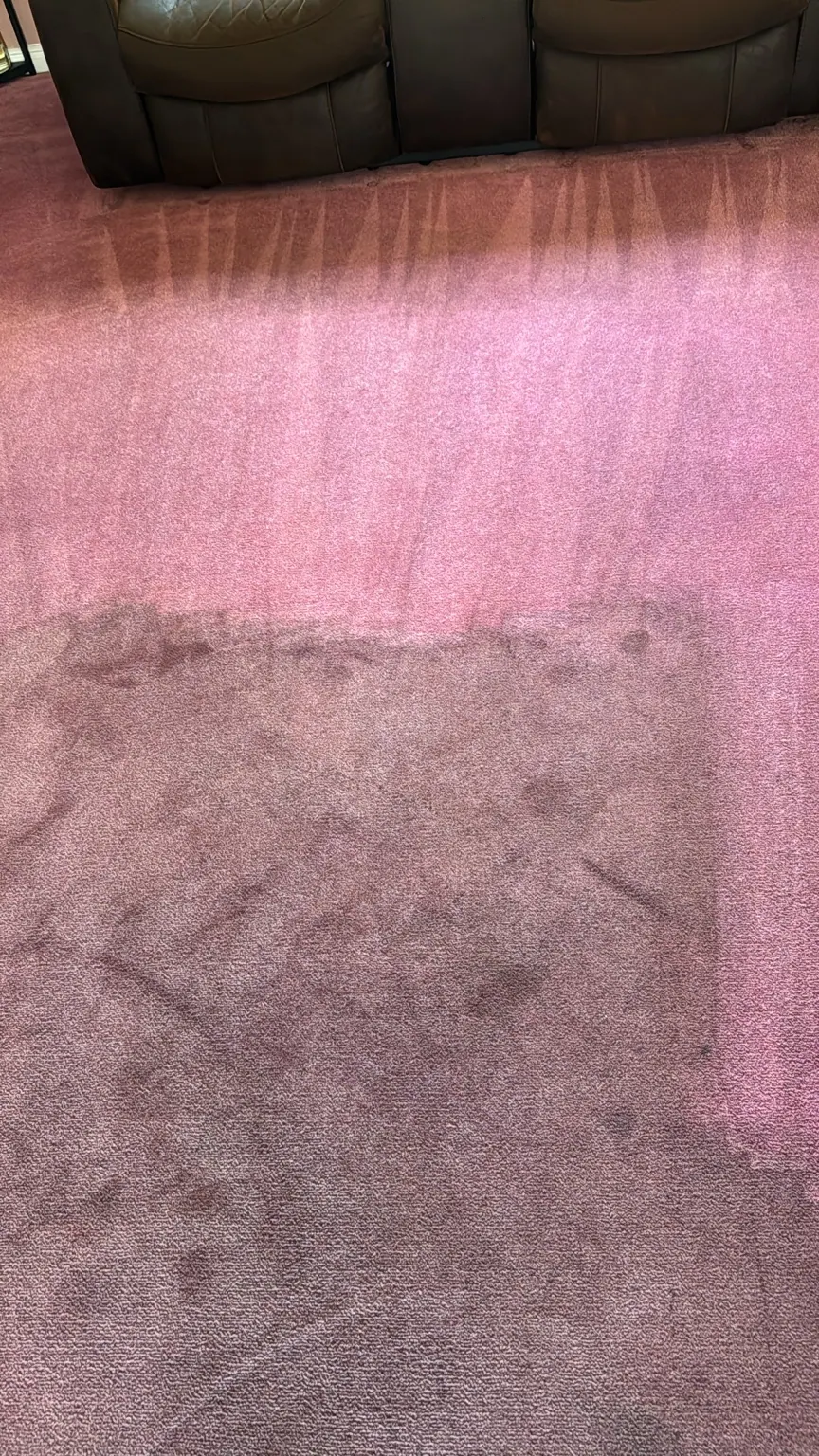
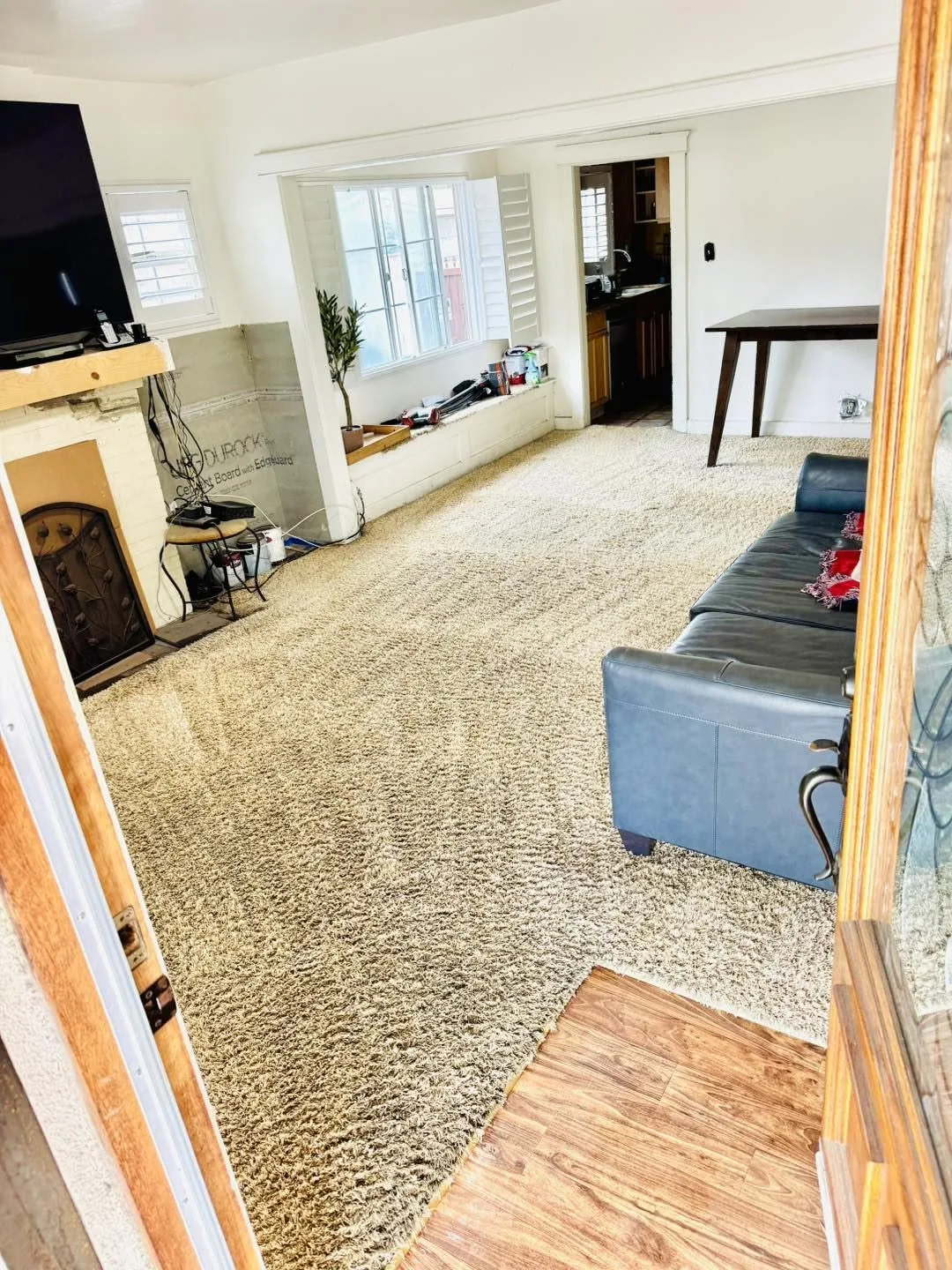
Photos from Go4Cleaning jobs, taken by our own crew.
Common questions
Will vinegar or lemon juice remove rust from carpet?
We do not recommend household acids as a general rust treatment. Results depend heavily on the fiber and dye, they are not safe on wool, and they will not touch a heavy, long-standing rust stain. Use a product labeled for rust and for your specific fiber, test it first, or have it assessed professionally.
Is a store-bought rust remover safe on carpet?
We do not recommend it. Those products are strongly acidic, can strip carpet dye on contact and must never be mixed with bleach or oxygen spotters. Professional application includes neutralising and extraction afterwards.
Can you guarantee the stain will come out completely?
No, and we will not pretend otherwise. Most fresh spots respond well. Anything that has bleached, dyed or physically damaged the fiber may leave a permanent mark, and we tell you what we realistically expect before we start.
Want this handled properly?
Call or text (866) 631-2244 for a straightforward quote, or send photos with your request.
Cleaning appointments 8:00 a.m. – 8:00 p.m. daily. Calls, messages and scheduling 24/7.