Area rugs
Wool Rug Cleaning Tips That Actually Protect Your Investment
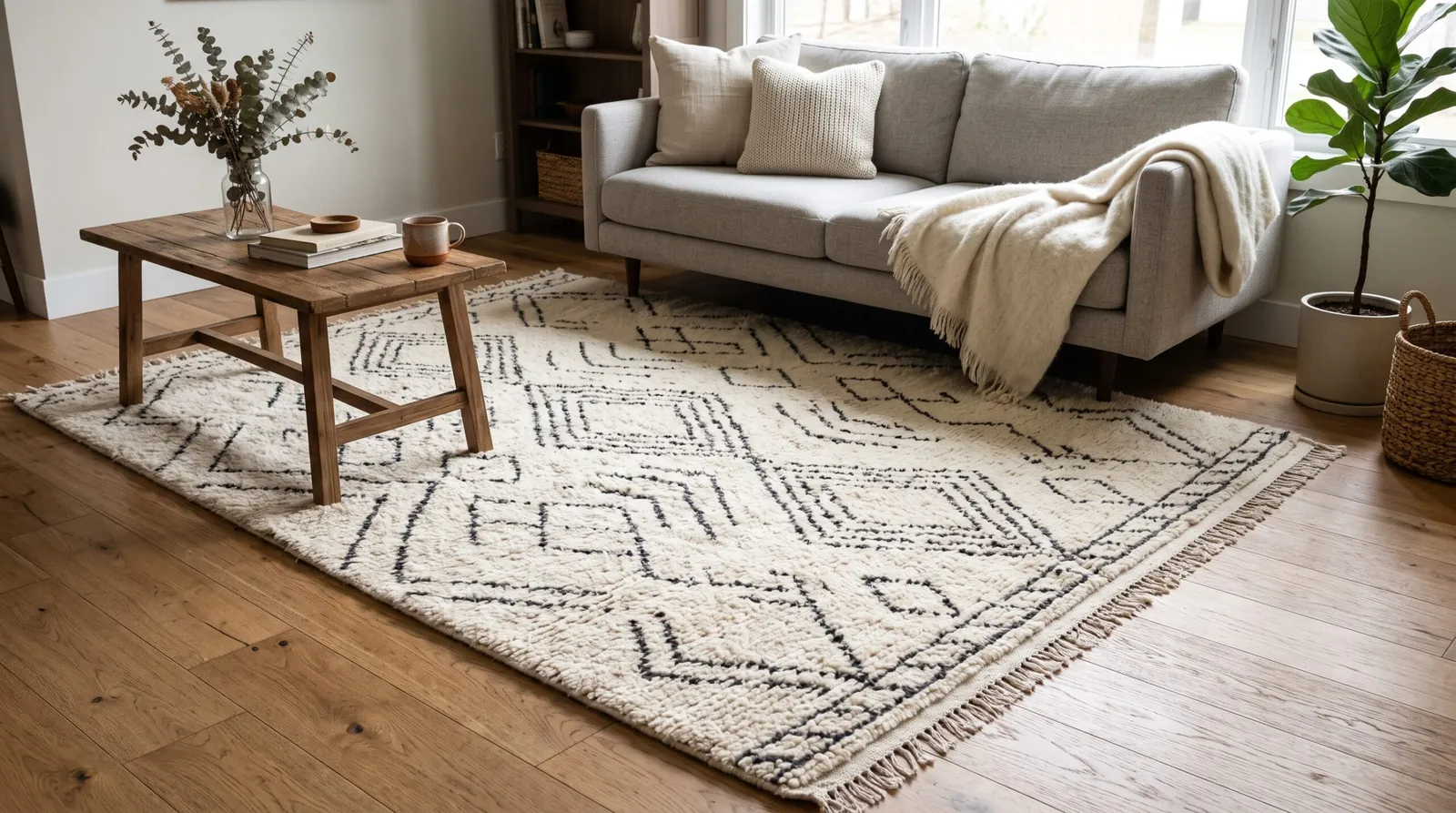
Wool is durable, forgiving and easy to ruin with the wrong product. Almost every damaged wool rug we see was harmed by a cleaner meant for synthetic carpet.
By Go4Cleaning Team · Updated August 25, 2026 · 5 min read
Quick answer
Protect a wool rug by vacuuming without a hard beater bar, blotting spills instead of scrubbing, keeping it out of prolonged sun, and never applying a bleach-based, high-alkaline or generic 'heavy duty' spot remover. Any product used on it should be labeled for wool and tested on an unseen area first; when in doubt, call a professional.
Why wool behaves differently
- It is a protein fiber, so high-alkaline cleaners and bleach-based products can damage it and strip color permanently — cleaning cannot restore dye that has been removed.
- It holds a lot of water, so over-wetting leads to slow drying, browning and odor.
- Natural lanolin resists soil but traps fine dust deep in the pile.
- Many wool rugs use dyes that can migrate when wet, especially reds and deep blues.

Routine care that genuinely helps
- Vacuum without a hard beater bar, and vacuum the back occasionally to release trapped grit.
- Rotate the rug twice a year so traffic and sunlight wear evenly.
- Use a quality pad to cut abrasion from the floor below.
- Blot spills with a white cloth from the outside in — never scrub.
- Keep the rug out of prolonged direct sun where you can; LA light fades wool quickly.
What to avoid
- Oxygen or chlorine bleach products of any kind.
- High-alkaline or 'heavy duty' carpet spot removers.
- Household steam mops and saturating rental machines.
- Drying a wet wool rug flat on a floor with no airflow underneath.
When to call a professional
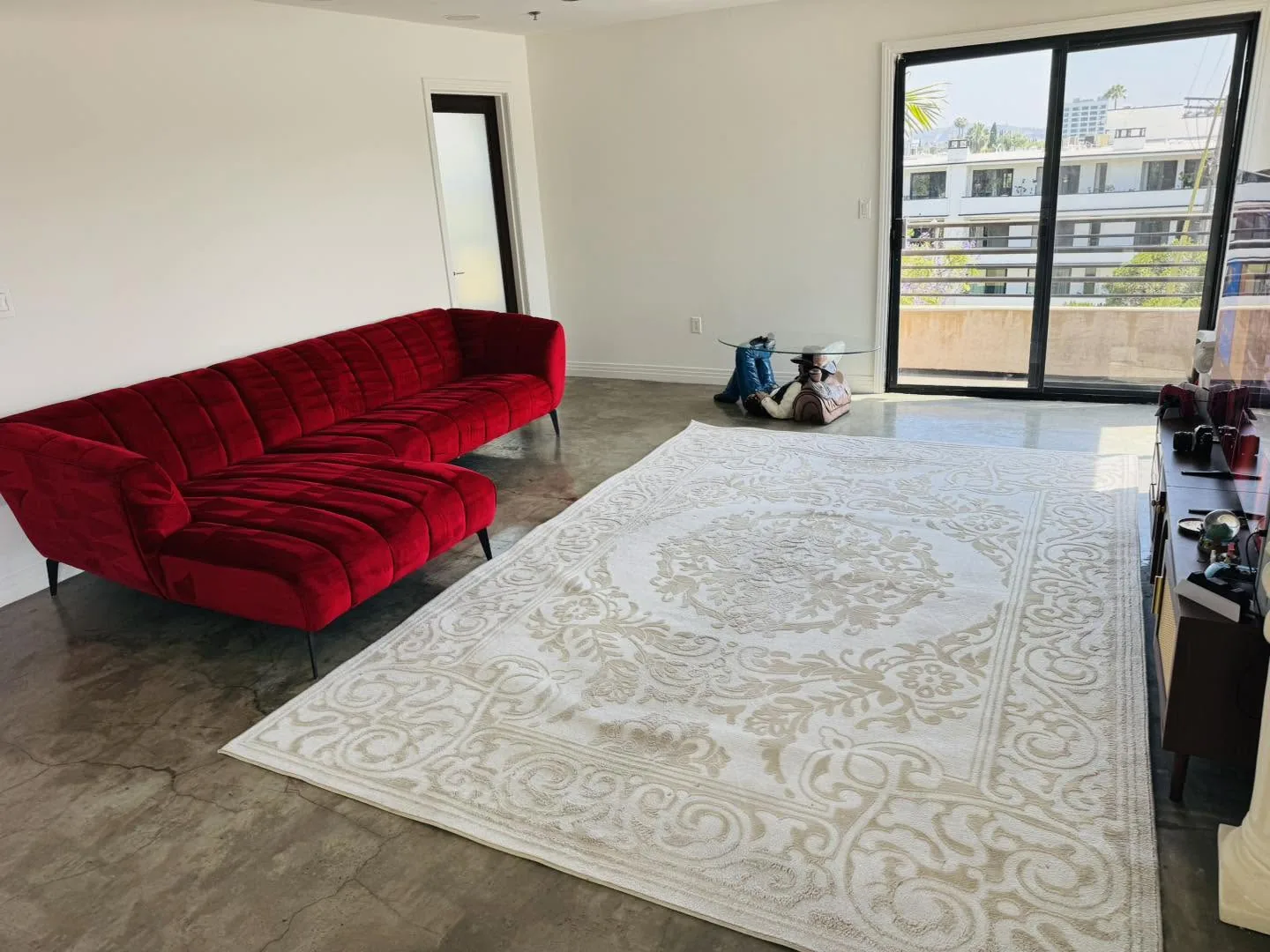
Dye bleed, pet contamination, browning after a DIY attempt, fringe damage and general dullness all call for professional handling. Wool rugs are also the category that most often benefits from facility washing, where the rug can be dusted thoroughly, washed with wool-appropriate chemistry, rinsed and dried under controlled airflow.
If the rug is hand-knotted, antique or high value, tell us before we start — the approach changes.
Background from the original guide
Wool is a natural fiber. That means it behaves very differently from synthetic fiber options like nylon or polyester. It absorbs water quickly, it’s sensitive to harsh cleaning solutions, and it can felt or shrink if exposed to heat or aggressive scrubbing.
The good news? With the right cleaning techniques, a wool area rug is surprisingly resilient. It naturally repels soil, resists bacteria, and can handle regular maintenance without losing its texture or color.
Vacuuming safely
The simplest and most overlooked step in rug care is consistent vacuuming. Use a vacuum cleaner on a low suction setting — high suction can pull and damage rug fibers over time. Avoid using a beater bar attachment, which can break wool fibers and cause visible wear.
Vacuum both sides of the rug when possible. For most rugs, vacuuming once or twice a week is enough to maintain and clean the surface effectively.
Shake and Beat the Rug Outdoors
Take the rug outside and shake it out every few weeks. You can also use a rug beater to knock loose soil and dust from the rug fibers. This old-fashioned method works surprisingly well and keeps the cleaning process simple.
After shaking, hang the rug over a railing or fence and let it get some fresh air. Just avoid leaving it in direct sunlight for too long — ultraviolet rays can fade natural dye and weaken the yarn over time.
Treating spills and stains
When something spills — wine, coffee, or a pet accident — act fast. Blot the stain with a clean towel or sponge. Never rub it in, which pushes the contamination deeper into the wool fibers.
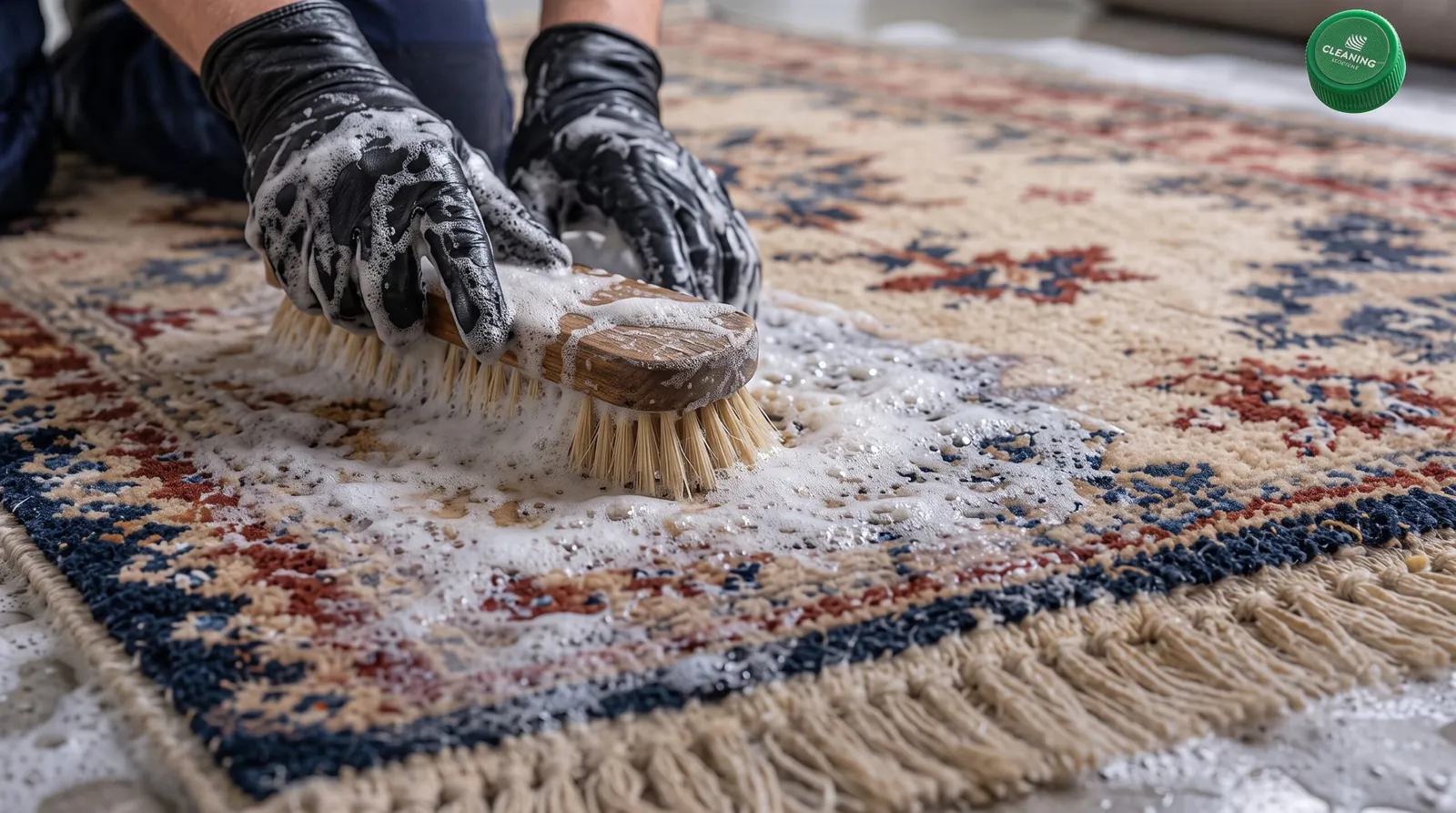
Work the cleaning solution gently into the stained area using a soft brush, moving from the outer edge inward. Rinse the rug section with cool water and blot dry.
Avoid using harsh cleaning products or vinegar in high concentrations, as these can damage wool and strip natural oils from the fiber. Always use products specifically designed for wool or those labeled safe for wool textiles.
How it compares with other fabrics
Knowing when to use wet cleaning versus low-moisture care matters with wool. For light soil and regular upkeep, dry methods such as vacuuming are the safest starting point.
For a deeper cleaning, wet cleaning can be done carefully at home. Fill a tub or a clean outdoor surface with cool water and a small amount of rug shampoo designed for wool. Clean the rug by hand using a soft brush, working gently along the direction of the pile.
Rinse the rug thoroughly with cool water until no soap remains. Make sure the rug dries completely before returning it to the floor. Lay the rug flat or hang it to allow airflow on both sides. Avoid steam cleaning at home — the heat and moisture combination can cause shrinkage and mold growth inside the wool fibers.
What to avoid
There are a few common mistakes that damage rugs faster than dirt ever could:
Do not machine wash unless the label says it is machine washable
Do not use hot water, which causes wool to shrink and felt
Do not use bleach or enzyme-based rug cleaner products, as these break down natural fibers
Do not leave the rug wet — mold and bacteria thrive in damp wool
Do not place a wet rug back on the flooring with a rug pad until it is completely dry
When to call a professional
Even with the best home routine, a wool rug needs professional attention every six months to a year, depending on foot traffic and household conditions.
Professional carpet cleaners use methods and equipment designed for delicate rug types, including wool. A professional rug cleaning service can also identify issues like dye bleeding, fiber damage, or mold early — before they become costly repairs.
For Los Angeles households with pets, kids, or rugs and carpets that see heavy use, professional rug and carpet cleaning is especially worthwhile.
If you are unsure whether your rug needs a spot treatment or a full wash, consult a professional before attempting it yourself. Caring for your wool rug properly means knowing the limits of DIY.
Related service
Area rug cleaningFamily-owned, based in Beverly Hills, serving Los Angeles County and approved Orange County communities.
Recent Go4Cleaning work
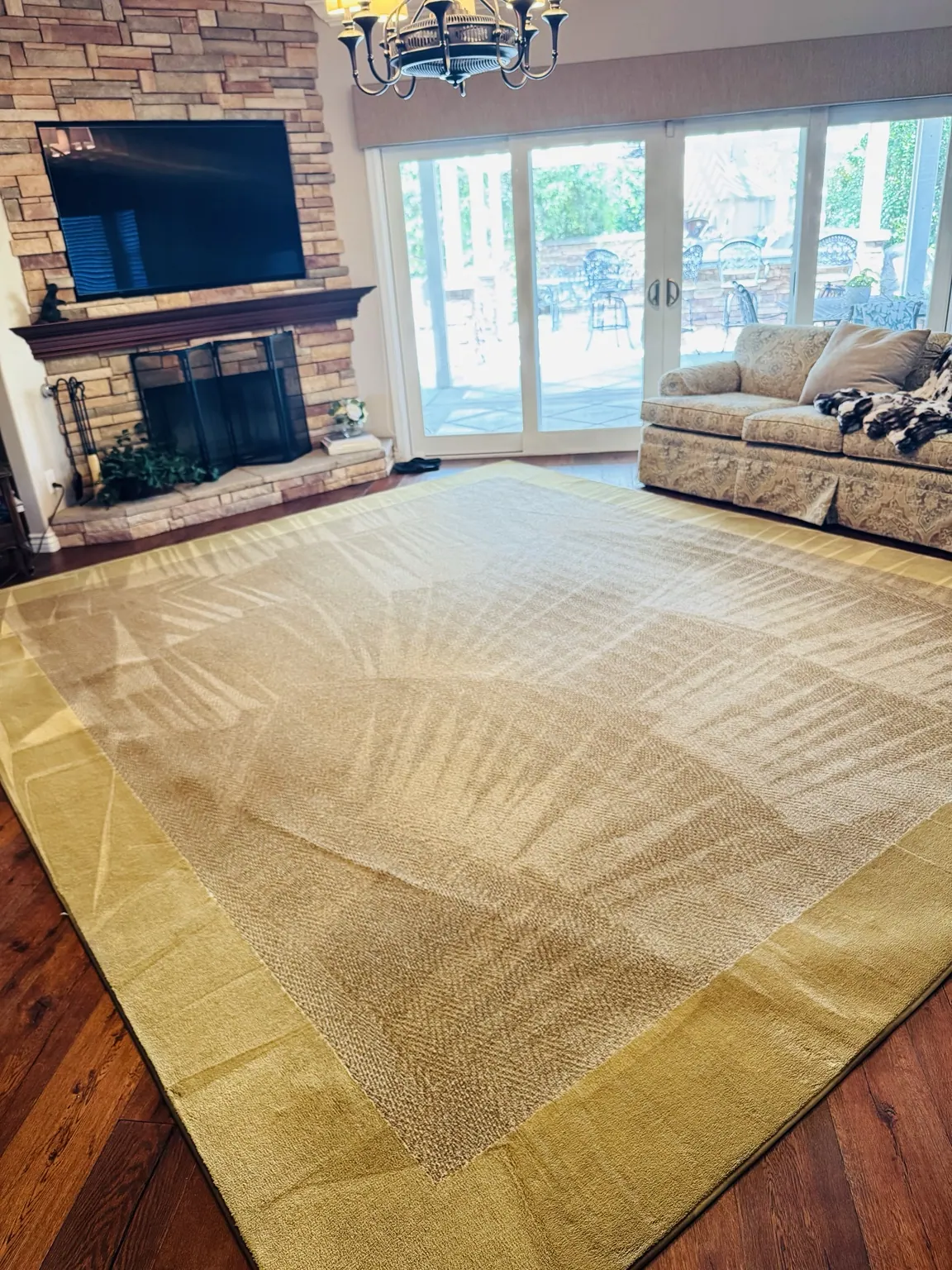
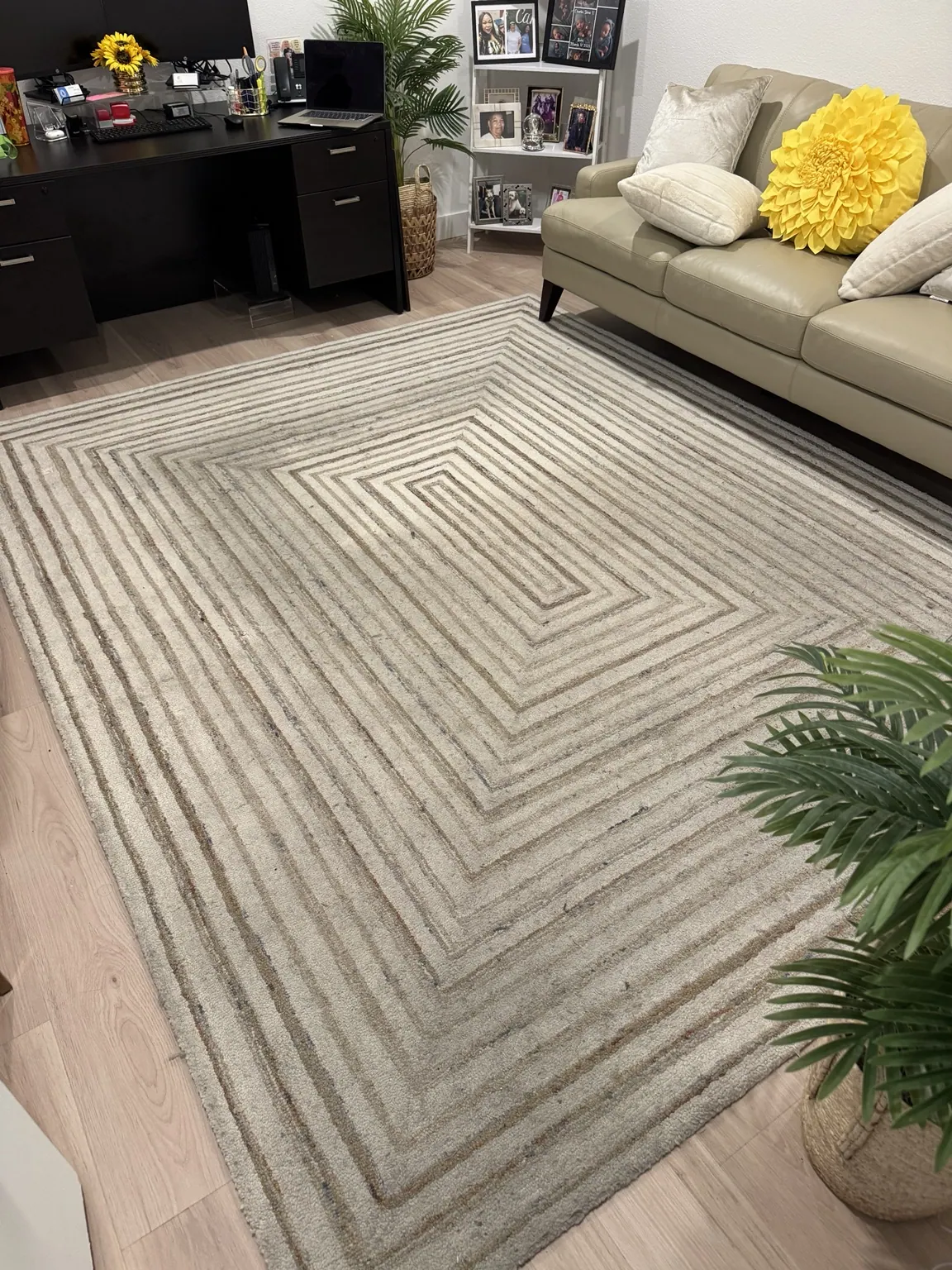
Photos from Go4Cleaning jobs, taken by our own crew.
Common questions
Can wool rugs be steam cleaned?
They can be cleaned with controlled hot-water extraction using wool-safe chemistry, but the temperature, pH and moisture must be managed carefully. Aggressive steam cleaning is a common cause of shrinkage and browning.
Why did my wool rug turn brown after cleaning?
Browning usually comes from over-wetting: moisture carries natural substances in the fiber to the surface as it dries slowly. Fast, even drying is the main prevention.
Want this handled properly?
Call or text (866) 631-2244 for a straightforward quote, or send photos with your request.
Cleaning appointments 8:00 a.m. – 8:00 p.m. daily. Calls, messages and scheduling 24/7.