Carpet care
Low-Moisture Carpet Cleaning: 7 Real Benefits (and When to Steam Clean Instead)
Low-moisture cleaning is not a cheaper version of steam cleaning — it is a different tool. Used in the right place it is faster, drier and easier to schedule. Used in the wrong place it leaves soil behind. Here is the honest split.
By Go4Cleaning Team · Updated August 25, 2026 · 7 min read
Quick answer
Low-moisture cleaning suits fast turnarounds, humid rooms, commercial maintenance and carpet that dries slowly, since it uses very little water and dries in about an hour or two. Hot water extraction remains the better choice for heavy soil, grease and pet contamination that has reached the backing. The right method depends on fiber type, soil level and how quickly the space is needed.
What low-moisture cleaning actually is
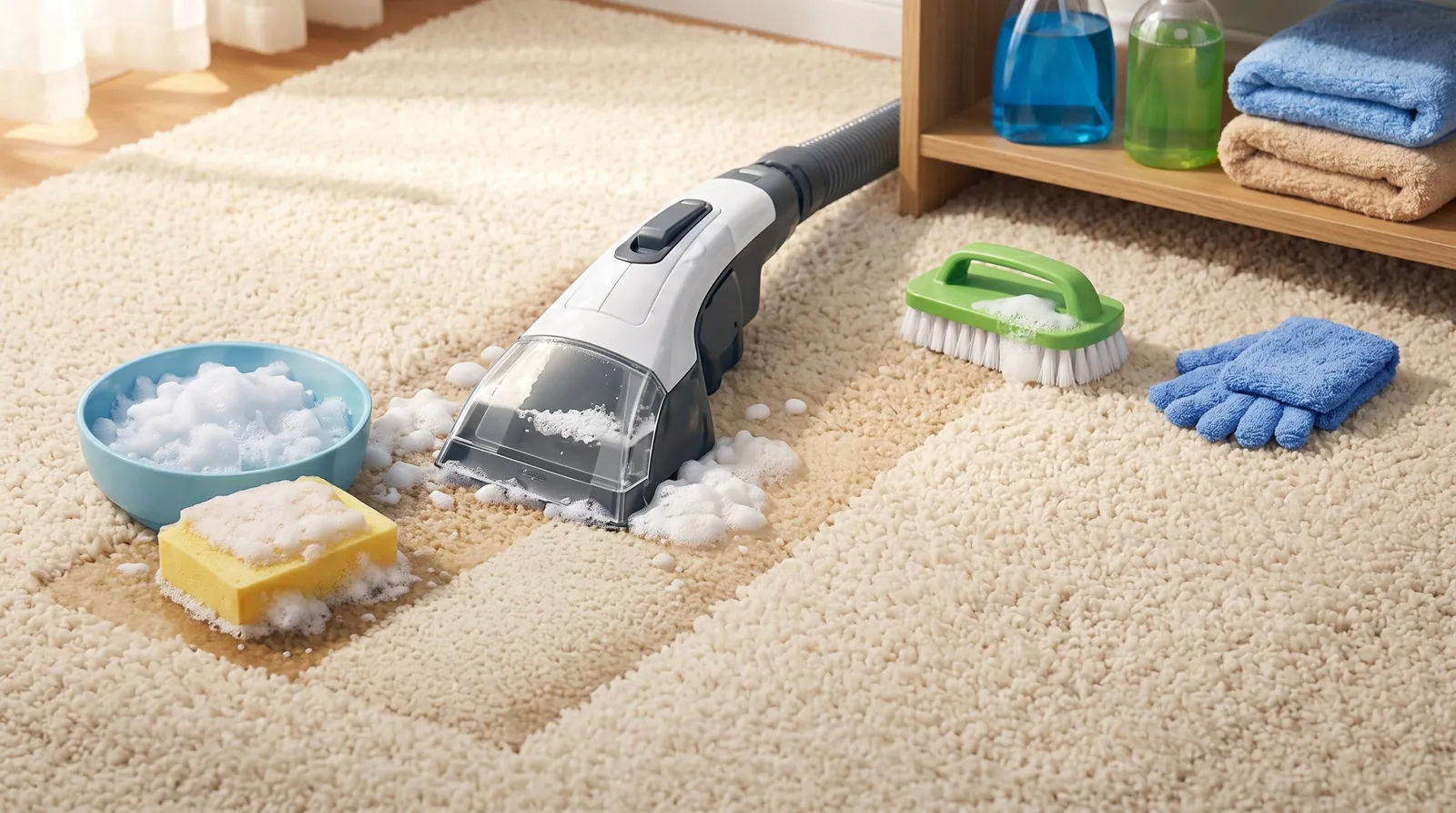
A cleaning solution is applied and agitated into the fibers with a brush or pad. It suspends soil and dries to a brittle crystal that releases from the fiber, and the following vacuum passes carry it away. Very little water goes into the carpet, so drying is measured in an hour or two rather than most of a day.
Seven situations where it is the better choice
- Fast dry time — rooms are usable again quickly, which matters in an office or a rental turnover.
- Offices and retail that cannot close — corridors and open plan areas can be maintained overnight.
- Humid coastal rooms where anything wet lingers.
- Maintenance cleaning between deep cleans on commercial glue-down carpet.
- Traffic lanes that need refreshing more often than the whole floor needs extraction.
- Situations where hose runs are impractical — high floors, limited parking, tight access.
- Carpet that has been over-wet before and needs a gentler cycle.
Where hot water extraction still wins
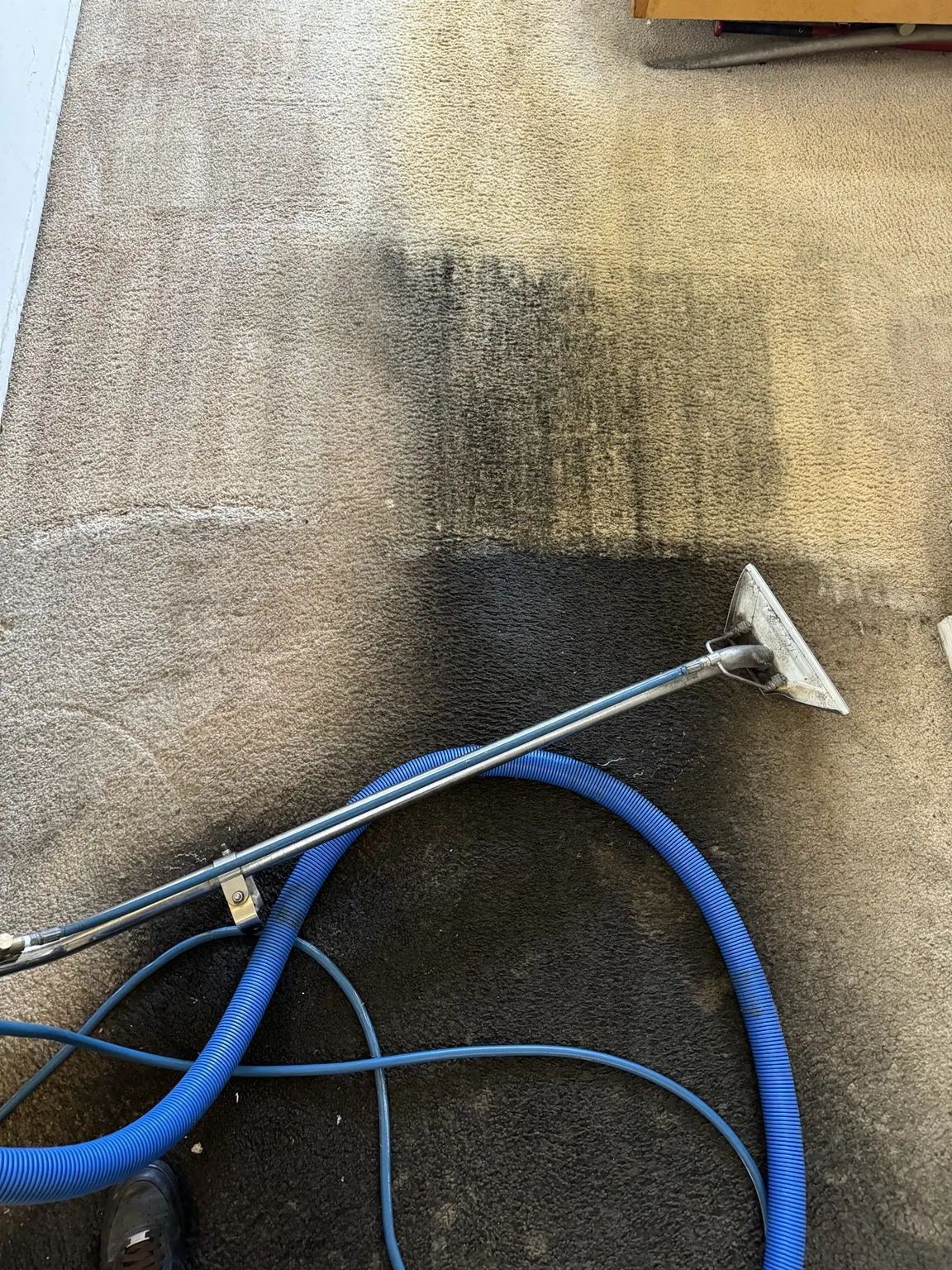
Heavy soil, greasy residue, pet contamination and anything that reached the backing all need volume of water and strong extraction. Low-moisture cleaning works at the top of the pile; it does not flush the base of the fiber or the backing.
Most homes are best served by extraction as the periodic deep clean, with low-moisture work in between if the traffic justifies it.
How we decide on site
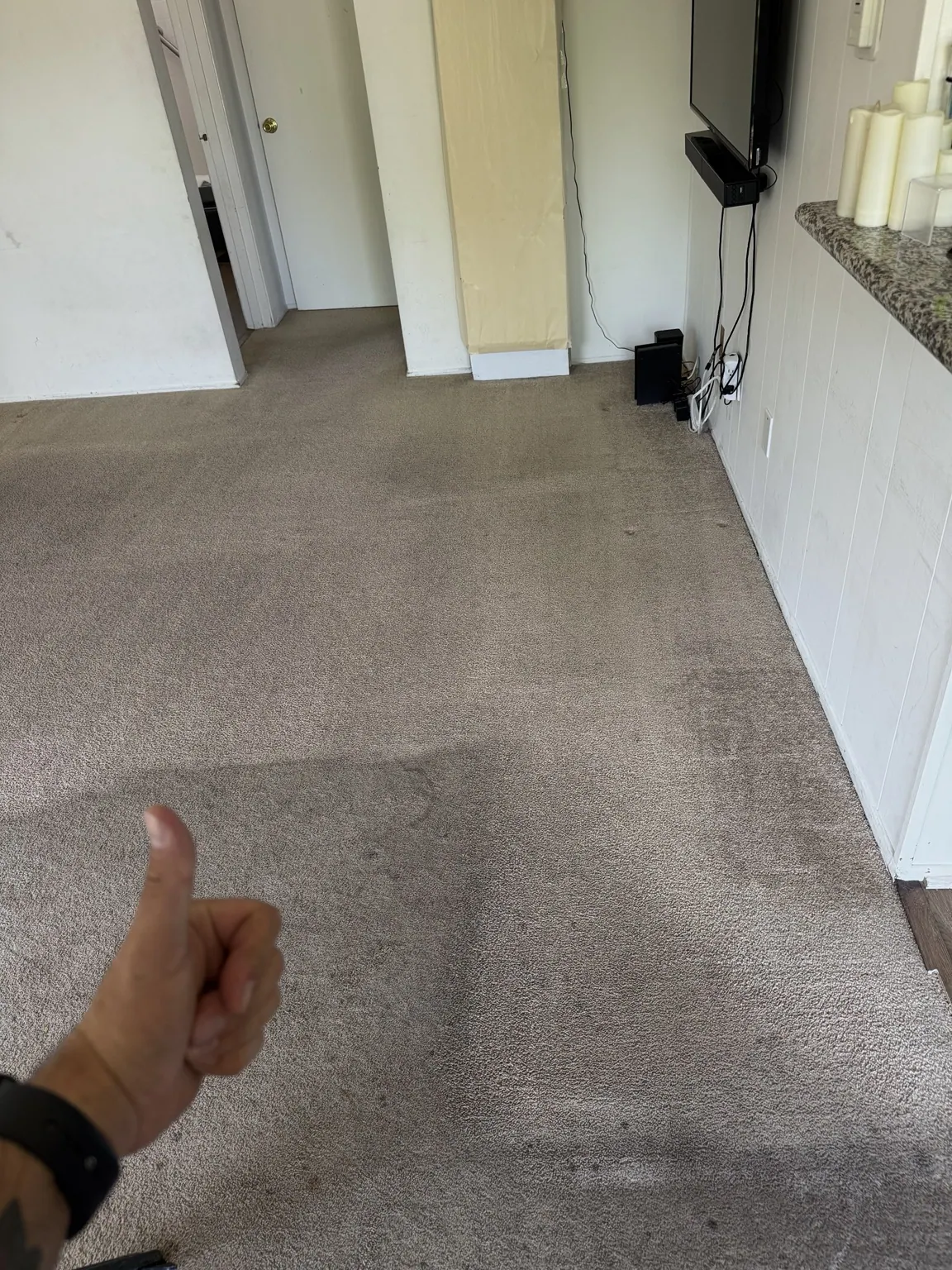
We look at fiber type, construction, soil level, previous cleaning history and how quickly you need the space back. Then we tell you which method we would use and why. If both would work, we say that too.
Drying and residue
The biggest reason customers choose a low-moisture method is simple: carpets dry much faster. Traditional hot-water extraction may be the better choice for heavily soiled carpet or deep odor issues, but it can leave carpets damp for several hours. With low-moisture extraction, carpet is often dry to the touch much sooner, sometimes within a few hours depending on airflow, humidity, pile density, and the amount of soil being removed.
That matters when children need their play area back, pets need to stay off the carpet, or a home office cannot be out of service all day. It also helps small offices, boutiques, rental properties, and waiting rooms schedule cleaning with less interruption to normal operations.
2. Low Moisture Carpet Cleaning Benefits Indoor Comfort
A wet carpet is inconvenient, but excess moisture can create a larger concern if it remains trapped in dense padding or poorly ventilated rooms. Proper low-moisture cleaning limits the water introduced into the carpet, helping reduce the chance of prolonged dampness.
This is particularly helpful in Los Angeles homes with area rugs, lower-traffic guest rooms, condos with limited ventilation, or spaces where furniture cannot easily be moved. Faster drying also means less time with that damp-carpet smell people want to avoid after a cleaning appointment.
A qualified technician still needs to assess the carpet before selecting a method. If there has been water damage, severe pet contamination, or soil that has reached the backing and padding, a low-moisture service alone may not be enough. Honest recommendations are more valuable than applying the same process to every carpet.
3. It Removes Surface Soil and Everyday Buildup Effectively
Low moisture does not mean low performance. Professional equipment, fabric-safe cleaning solutions, agitation, and controlled extraction work together to lift dry soil, oils, food residue, tracked-in debris, and common spots from carpet fibers.
The process is especially effective as a maintenance clean for carpets that receive regular vacuuming but have begun to look dull, feel matted, or carry everyday odors. In homes with pets, this can help remove hair, dander, and the residue that builds up around favorite sleeping spots and entryways.
Results depend on the stain and how long it has been there. Fresh spills are generally more responsive than old, heat-set, or previously treated stains. Some permanent discoloration, bleach marks, dye transfer, and wear patterns cannot be cleaned away because they are not removable soil. A reliable cleaner should set that expectation before work begins, not after the appointment.
4. It Is Easier on Many Carpet Fibers
Carpet fibers and construction vary widely. A plush synthetic carpet, a low-pile commercial carpet, and a delicate wool blend should not receive identical treatment. Low-moisture methods can be a smart choice for carpets that benefit from controlled moisture and careful solution use.
The goal is to clean thoroughly while protecting the carpet’s texture, color, and backing. Using too much water or an unsuitable chemical can lead to problems such as slow drying, residue, browning, or texture changes. Fabric-specific cleaning is not an extra detail. It is part of protecting an investment that may cover several rooms or an entire property.
For valuable rugs, wool carpet, silk blends, or carpet with uncertain dye stability, testing and method selection are essential. In some cases, a different professional cleaning approach will be safer and more effective.
Keeping it looking good
Carpet replacement is expensive, especially in larger homes, apartments, and commercial spaces. Regular professional maintenance helps reduce the grit and oily buildup that make fibers look flat and worn before their time.
Low-moisture cleaning fits well between more intensive restorative services. It can refresh high-traffic paths, family rooms, bedrooms, stairways, and office corridors before soil becomes deeply embedded. When carpet is maintained on a sensible schedule, it is easier to preserve a cleaner appearance and address spots before they become permanent-looking stains.
How often a carpet needs service depends on the household. A home with two dogs, children, and frequent guests may need attention more often than a lightly used guest room. Small businesses with steady foot traffic usually benefit from a scheduled maintenance plan rather than waiting until carpets look visibly dirty.
6. The Process Can Be a Practical Choice for Homes With Pets and Families
Families want clean floors without harsh odors or unnecessary residue. A properly performed low-moisture service uses measured product application and professional removal techniques, helping avoid over-wetting and heavy chemical use.
For pet owners, cleaning is about more than visible hair or muddy paw prints. Pet dander, body oils, and occasional accidents can leave carpet looking tired and smelling stale. Low-moisture cleaning can refresh the carpet and improve day-to-day comfort, particularly when paired with vacuuming and prompt treatment of new accidents.
However, persistent urine odor may require more than a surface cleaning. If contamination has reached the backing or padding, targeted odor treatment may be needed. A technician should explain the likely outcome and recommended next step clearly, with transparent pricing rather than surprise add-ons.
How often to clean
Convenience matters when you are coordinating work, school, pets, deliveries, or tenants. Because low-moisture carpet cleaning reduces dry time, it can make scheduling easier for people who cannot leave furniture and walkways out of use overnight.
Before the appointment, vacuuming, clearing small items from the floor, and identifying problem spots can help the cleaning move efficiently. Afterward, keep foot traffic light until the carpet is fully dry, use caution with furniture legs, and allow normal airflow through the room. These small steps help protect the finish and support the best possible result.
Related service
Encapsulation carpet cleaningFamily-owned, based in Beverly Hills, serving Los Angeles County and approved Orange County communities.
Recent Go4Cleaning work
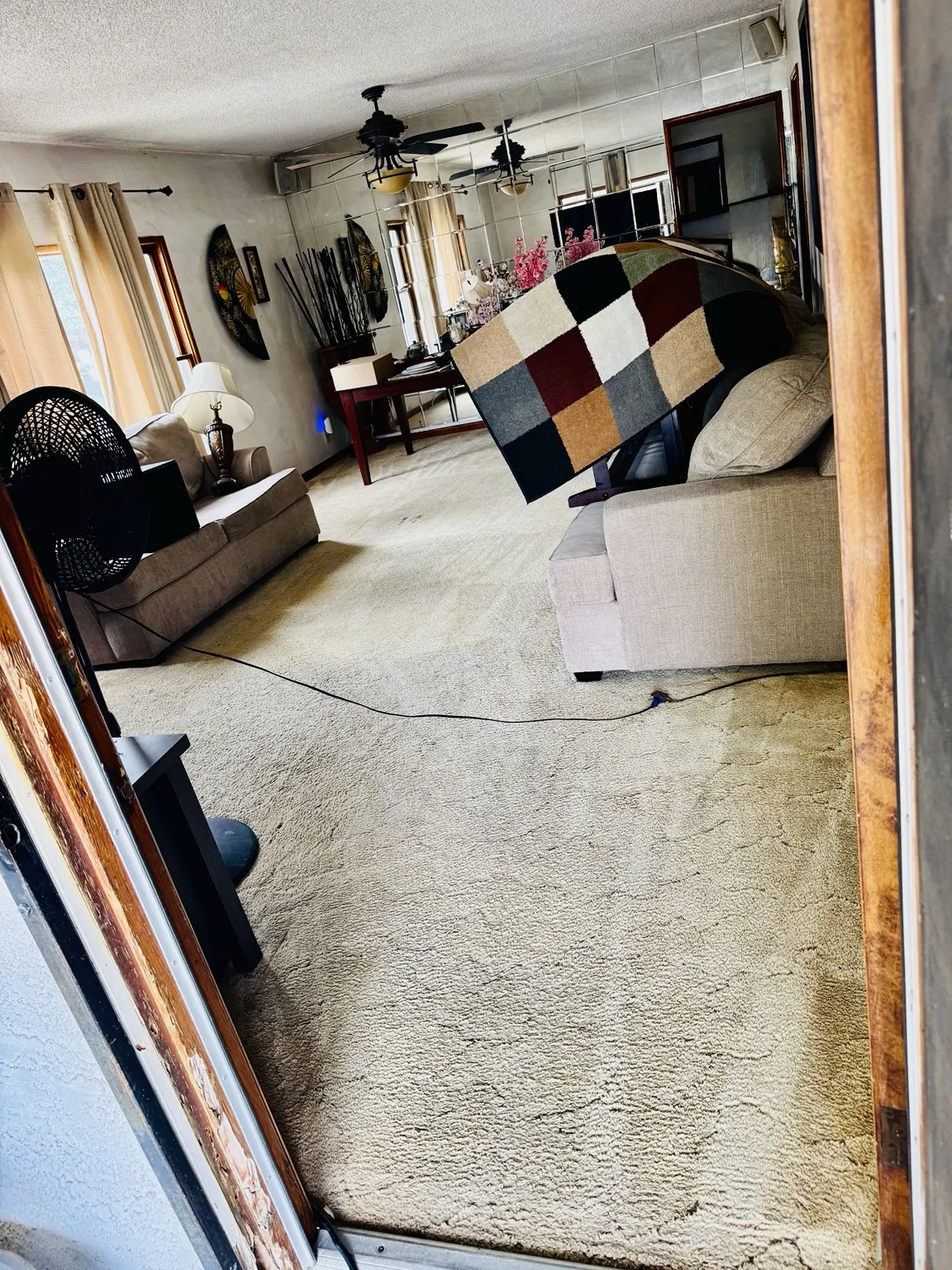
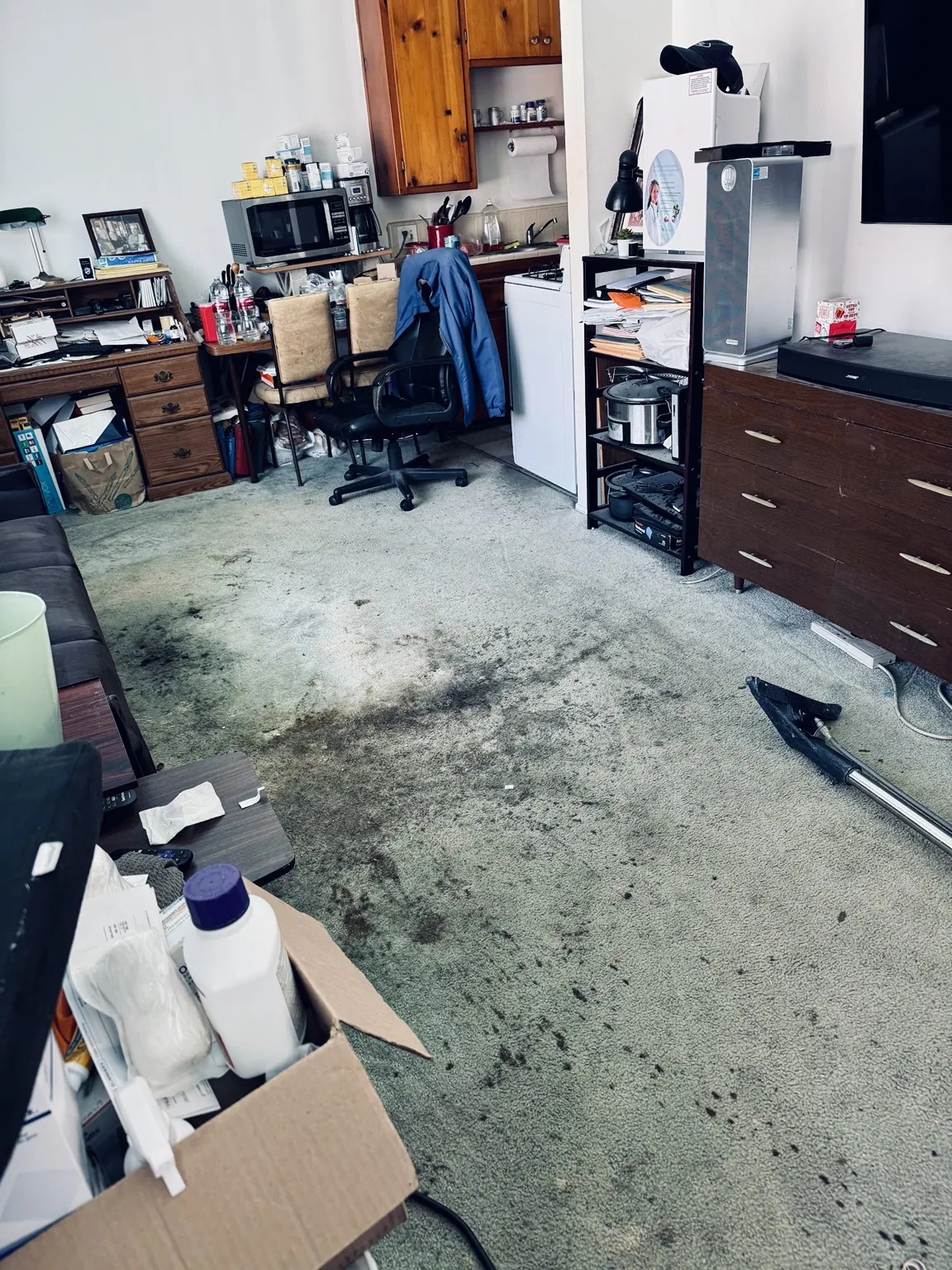
Photos from Go4Cleaning jobs, taken by our own crew.
Common questions
Does low-moisture cleaning leave sticky residue?
Modern encapsulation polymers are designed to dry non-sticky and release with vacuuming. Residue problems usually come from over-application or from skipping the follow-up vacuum passes.
How long until I can walk on it?
Commonly one to two hours, depending on airflow and humidity — considerably faster than extraction.
Want this handled properly?
Call or text (866) 631-2244 for a straightforward quote, or send photos with your request.
Cleaning appointments 8:00 a.m. – 8:00 p.m. daily. Calls, messages and scheduling 24/7.