Pet odor & urine
Can Steam Cleaning Remove Pet Odor for Good?
Hot-water extraction — what most people call steam cleaning — is a very good cleaning method and a very incomplete odor method. Both things are true at once.
By Go4Cleaning Team · Updated August 25, 2026 · 6 min read
Quick answer
Steam cleaning cleans the visible fiber well but rarely removes urine odor by itself, because contamination often sits in the backing or cushion below where extraction reaches. Odor is more reliably reduced when steam cleaning is paired with fiber-appropriate source treatment and controlled drying; if odor remains after full drying, the cushion or subfloor is usually the limiting factor.
What extraction does well
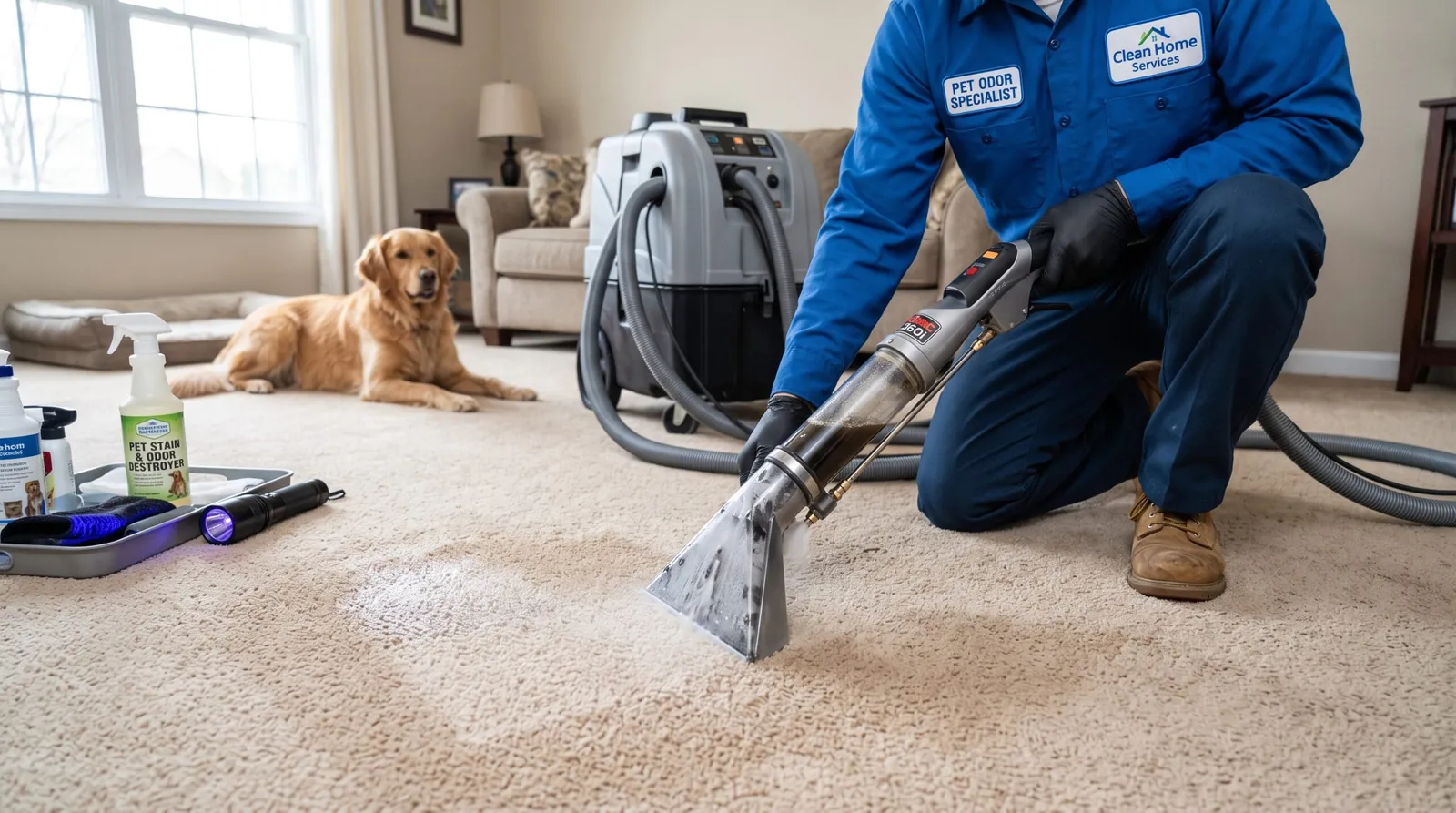
Hot water and detergent suspend soil and residue in the fiber, and a powerful vacuum pulls it out. For general soil, traffic lanes and most spills, that is exactly the right process, and it leaves far less residue behind than a shampoo-only method.
Why odor can come back — or briefly get worse
None of that means steam cleaning is wrong. It means it needs to be paired with treatment aimed at the actual source, plus proper drying.
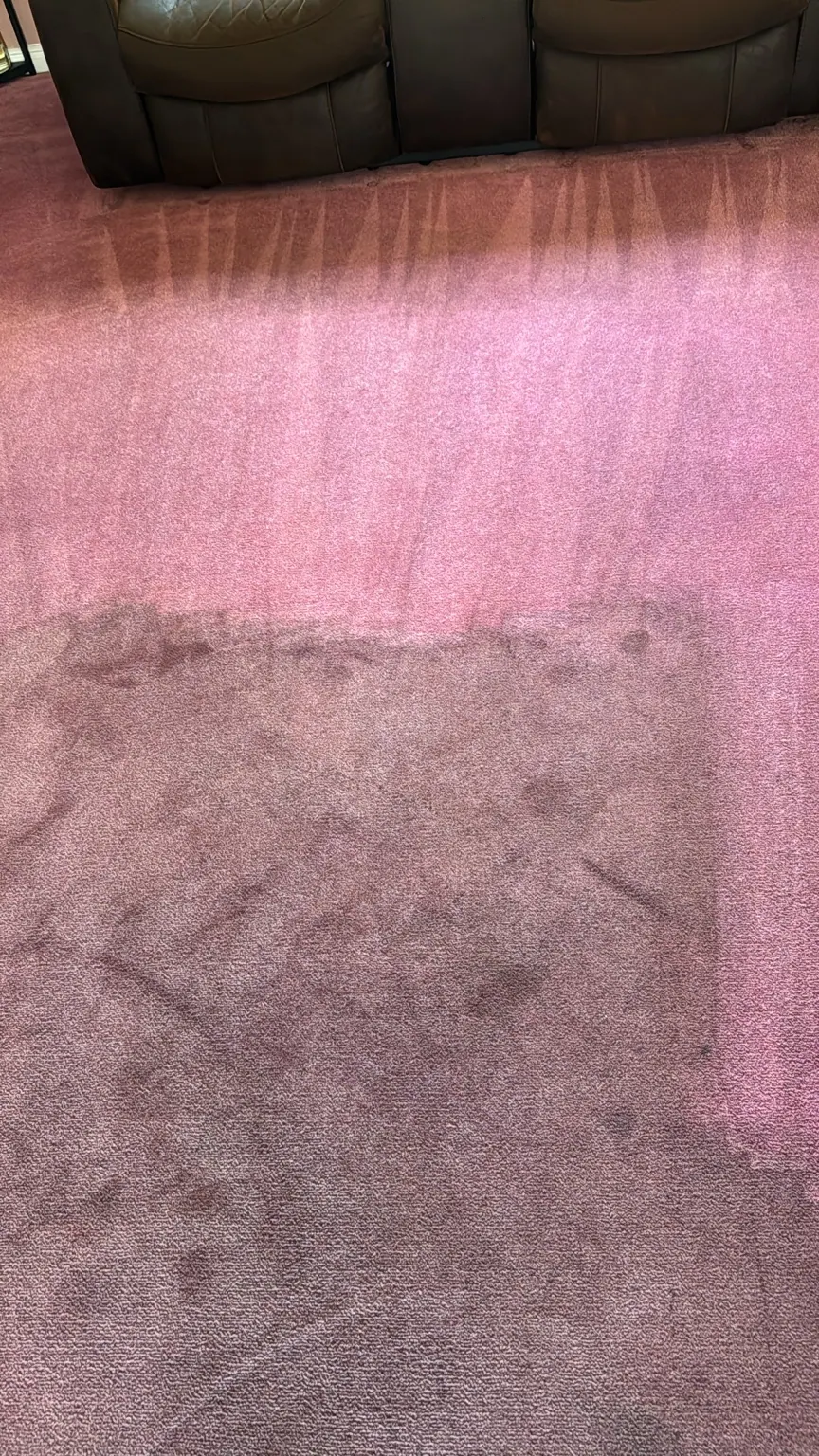
- Extraction cleans the face fiber; urine crystals in the backing and cushion are below its reach.
- Re-wetting dried contamination temporarily reactivates the smell, so the room can smell stronger during drying.
- Slow drying in a closed room adds a musty note on top of the original odor.
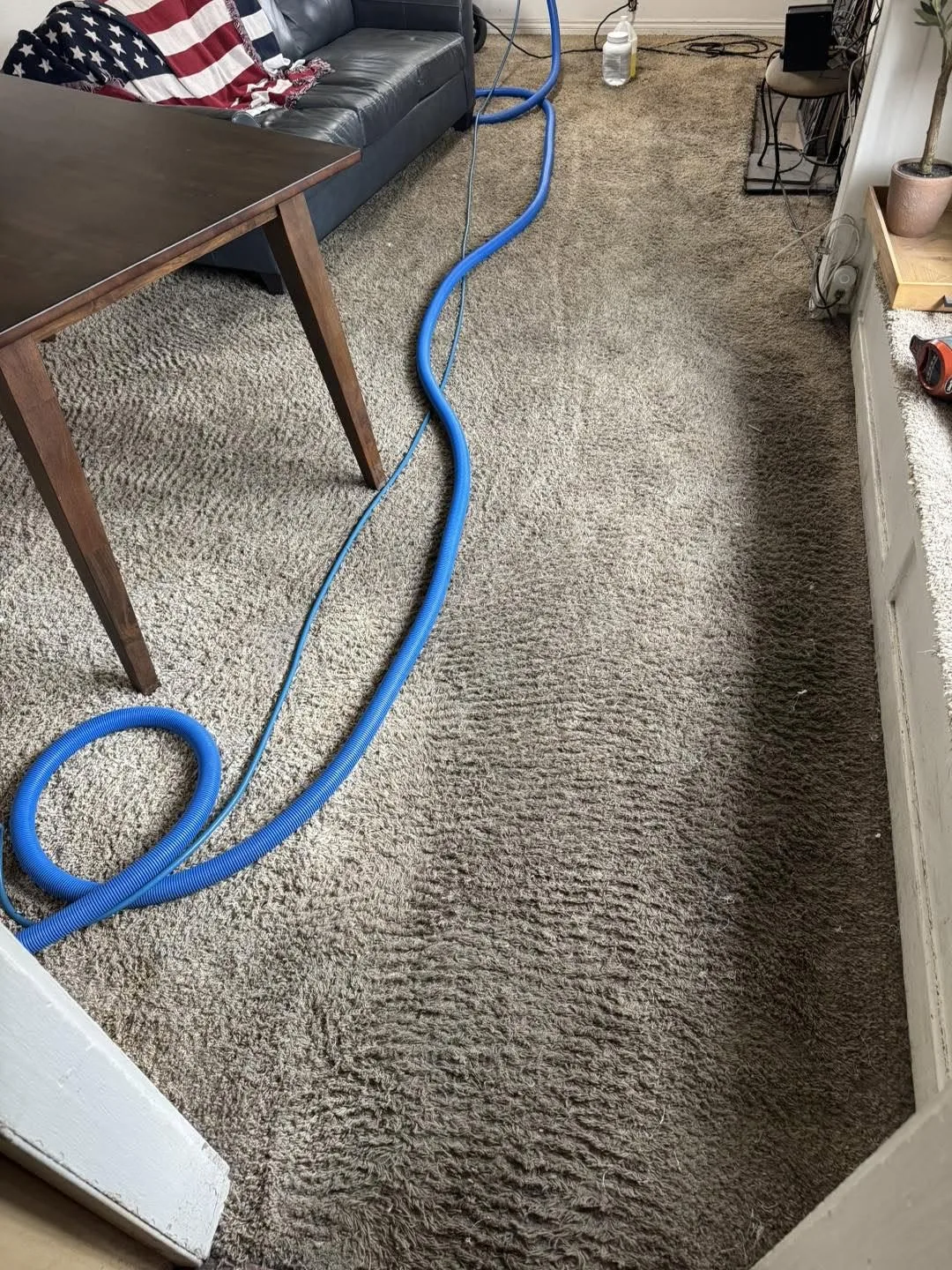
What makes the difference
- Find the full extent of contamination before cleaning, not just the stain.
- Apply a treatment appropriate to the fiber and the depth involved.
- Extract thoroughly so nothing is left sitting in the cushion.
- Move air across the area and keep the room ventilated until it is fully dry.
- Re-check after drying and treat again only where it is genuinely needed.
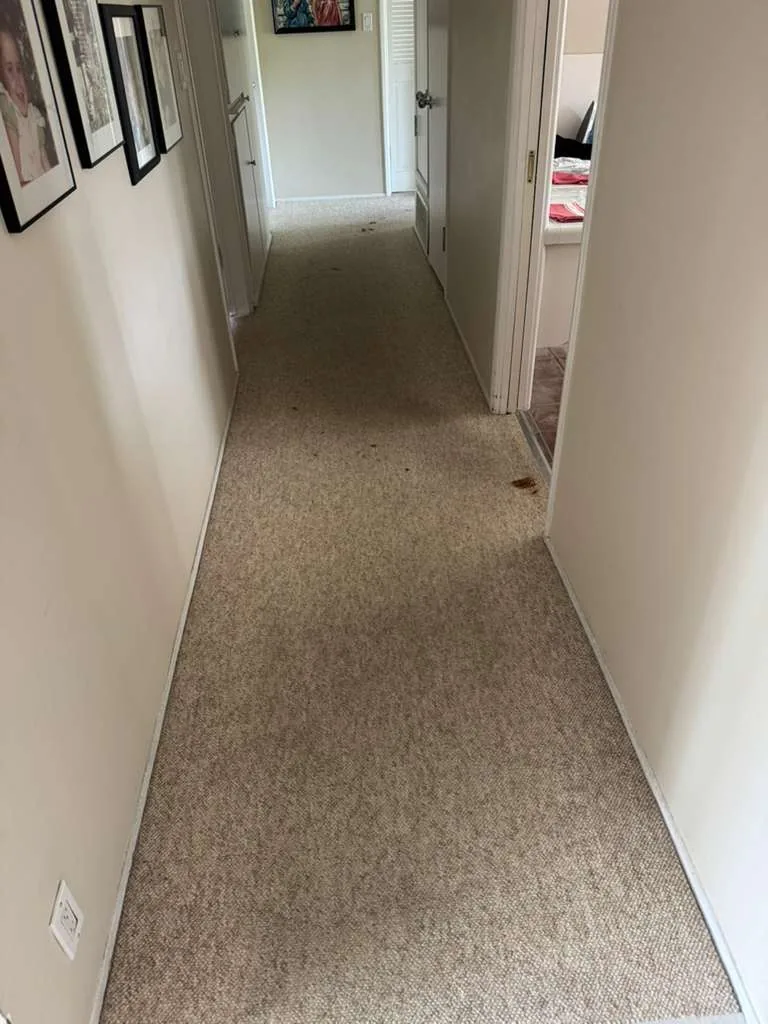
The short answer
Steam cleaning alone rarely removes established pet odor permanently. Steam cleaning combined with source treatment and controlled drying usually makes a large, lasting difference — and where it cannot, the limiting factor is the cushion or subfloor, not the machine.
Steam and hot-water cleaning
Professional steam cleaning, more accurately called hot-water extraction in many cases, can remove a significant amount of pet odor from carpet. The process uses controlled heat, fabric-safe cleaning solutions, and powerful extraction to loosen and remove soil, oils, dander, and odor-causing residue.
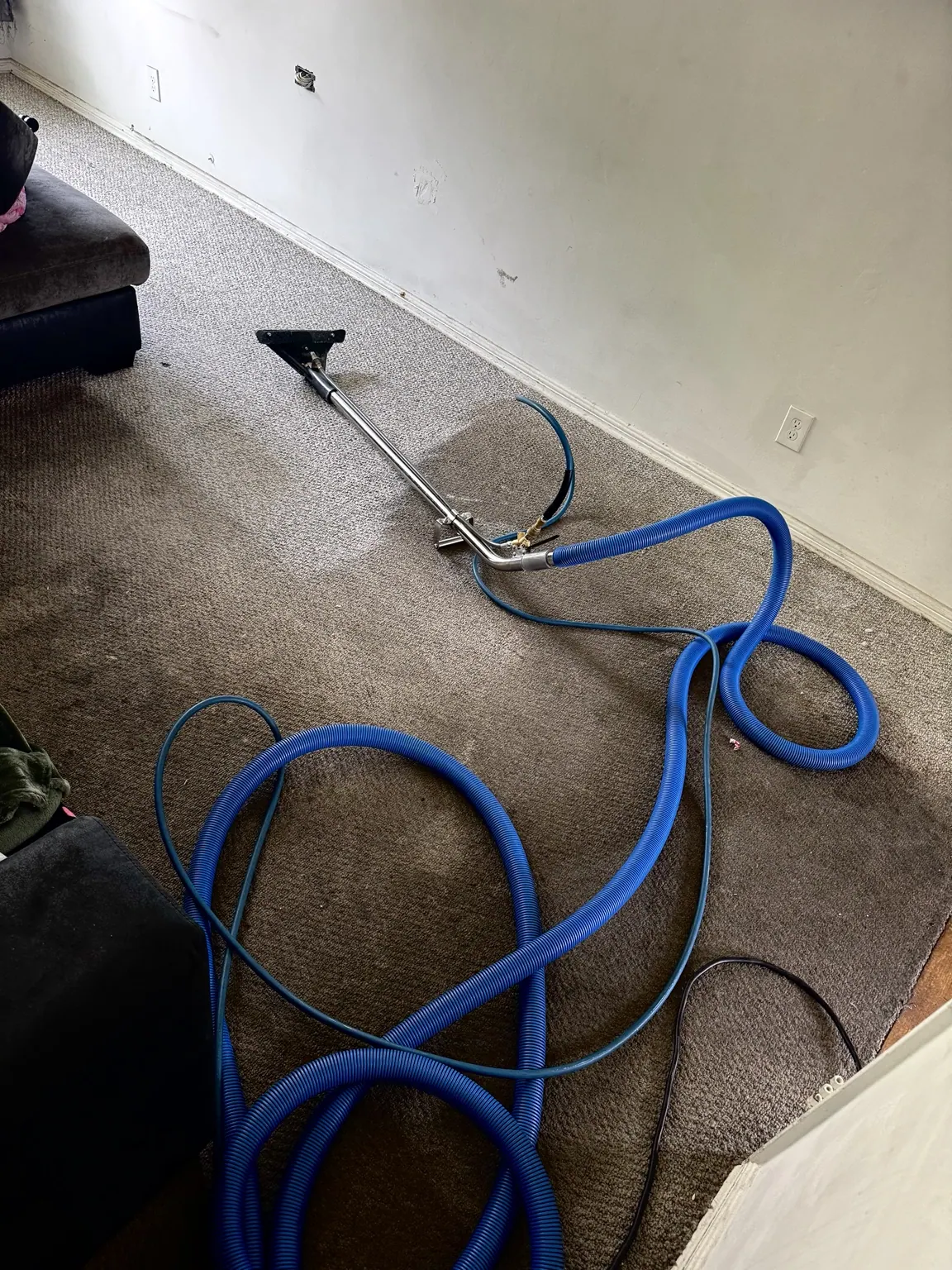
The extraction step is what matters most. Heat and cleaning solution help break down the buildup in the carpet, but the equipment must also pull contaminated moisture back out. If a cleaner only wets the carpet without adequate extraction, moisture can remain in the fibers or padding and may make the odor worse.
For everyday pet smell caused by fur, dander, muddy paws, and normal use, a professional carpet cleaning can leave the room noticeably fresher. It also improves the carpet’s appearance by lifting embedded soil that can hold odors in place.
Urine is more complicated. When pet urine dries, it can leave behind concentrated salts and uric acid crystals. Those crystals can reactivate when exposed to moisture or humidity, which is why an odor may disappear for a few days and then return. Steam cleaning can help remove the residue, but older or repeated urine spots often need a targeted odor treatment first.
Steam cleaning is most effective when the odor is relatively recent, the affected area is limited, and the urine has not soaked deeply into carpet padding or the subfloor. It also works well as part of regular maintenance for homes with dogs or cats, particularly in high-traffic rooms where fur, dander, and oils collect.
These treatments are designed to address odor-causing organic residue rather than covering it with fragrance. After the appropriate dwell time, hot-water extraction removes loosened contamination from the fibers.
The goal is not to leave behind a strong perfume. It is to leave the carpet clean, properly rinsed, and fresh once it is fully dry.
Why Pet Odors Sometimes Return After Cleaning
An odor that returns after cleaning does not always mean the carpet was cleaned poorly. It can mean the original contamination reached below the carpet surface, or that moisture has brought old residue back to life.
In Los Angeles homes, this can be especially frustrating in bedrooms, living rooms, and rental properties with older carpeting. Warm weather, sun exposure, closed windows, and coastal humidity can make odors more noticeable. A pet may also continue returning to the same area if even a faint scent remains.
Four signs that a deeper treatment may be needed are:
The smell becomes stronger on humid days or after the carpet gets damp.
A urine odor returns after the carpet appears clean and dry.
You can see staining around carpet edges, under furniture, or near a favorite pet bed.
For severe odor issues, the carpet may need treatment on both the face fibers and the backing. In some cases, the padding or subfloor has been affected. Honest professional guidance matters here. No cleaning company should promise that a surface-only cleaning will permanently solve an odor problem that has penetrated underneath the flooring.
What About Couches, Rugs, and Mattresses?
Pet odor can settle into nearly every soft surface in the home. Each one requires a different approach because fabrics, dyes, fillings, and drying times vary.
Upholstery and couches
Couches collect pet hair, body oils, dander, and saliva in places that are easy to overlook, including seat cushions, armrests, and fabric seams. Professional upholstery cleaning can remove this buildup with low-moisture cleaning or carefully controlled extraction. The safest method depends on the upholstery fabric and manufacturer care code.
A couch should never be saturated to chase an odor. Excess moisture can affect foam cushions, leave water rings, or create a longer drying time. For urine in cushion inserts, a technician may need to treat both sides of the cushion or assess whether the foam itself has absorbed the odor.
Area rugs
Area rugs often hold odor close to the floor, especially if pets sleep, play, or have accidents on them. Machine-made synthetic rugs may respond well to extraction, while wool, silk, viscose, and antique rugs need more delicate, fabric-specific care. Applying high heat or the wrong solution to a natural-fiber rug can cause color bleeding, shrinkage, or texture changes.
Mattresses
A mattress accident needs prompt attention. Moisture can move through the cover and into absorbent padding, where odors become difficult to remove. Controlled cleaning, odor treatment, and thorough drying can improve many situations, but deep, repeated contamination may not be fully removable. A reputable cleaner should set expectations clearly before starting work.
When to call a professional
When pet odor is bothering you, it is tempting to use whatever is under the kitchen sink. Unfortunately, some common fixes make professional odor removal more difficult.
Avoid soaking a carpet with water, vinegar, or heavily fragranced sprays. They may temporarily change the smell, but they can spread urine farther into the backing and pad. Avoid using a rental machine repeatedly on one spot without strong extraction, since over-wetting can create a musty odor and lengthen drying time.
Also avoid using high heat directly on delicate upholstery or rugs. Heat can set certain stains and may damage sensitive fibers. If you have used a home product already, let the cleaning professional know. That information helps them choose the safest solution for your carpet or fabric.
For a fresh accident, blot it promptly with clean white towels. Press down firmly to absorb moisture, but do not scrub. Scrubbing pushes residue deeper and can roughen carpet fibers. Keep pets away from the area until it is treated and fully dry.
Related service
Pet stain & odor removalFamily-owned, based in Beverly Hills, serving Los Angeles County and approved Orange County communities.
Recent Go4Cleaning work
Photos from Go4Cleaning jobs, taken by our own crew.
Want this handled properly?
Call or text (866) 631-2244 for a straightforward quote, or send photos with your request.
Cleaning appointments 8:00 a.m. – 8:00 p.m. daily. Calls, messages and scheduling 24/7.