Carpet care
How to Clean Wool Carpet Safely Without Damage
Wool is the most forgiving carpet to live with and the least forgiving to clean badly. It resists soil naturally, but it is a protein fiber — high alkalinity, very hot water and harsh oxidizers do damage that cannot be undone.
By Go4Cleaning Team · Updated August 25, 2026 · 7 min read
Quick answer
Wool needs products labeled specifically for wool, cooler water, and fast drying — high-alkaline detergents, very hot water and strong oxidizers can cause permanent damage. Blot spills immediately, test any product on a hidden area first, and have wool professionally cleaned periodically since incorrect chemistry or over-wetting are the most common causes of irreversible harm.
What damages wool
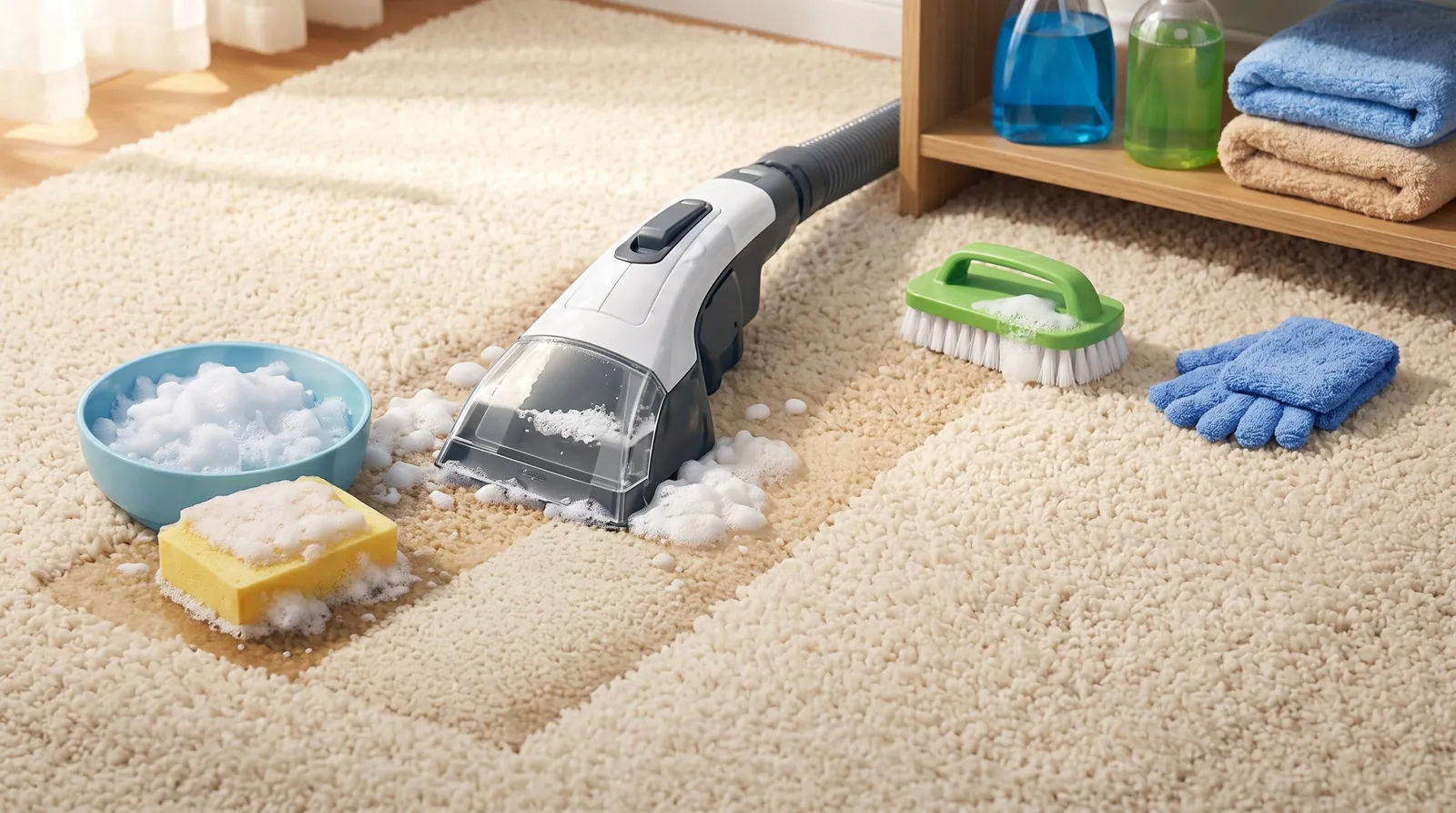
- High-alkaline detergents, which strip natural lanolin and dull the fiber.
- Very hot water, which can shrink and distort the pile.
- Chlorine bleach and strong oxidizers, which cause permanent color loss.
- Over-wetting, which leads to cellulosic browning from a jute backing.
- Aggressive brushing, which fuzzes and pills the surface.
Routine care that does most of the work
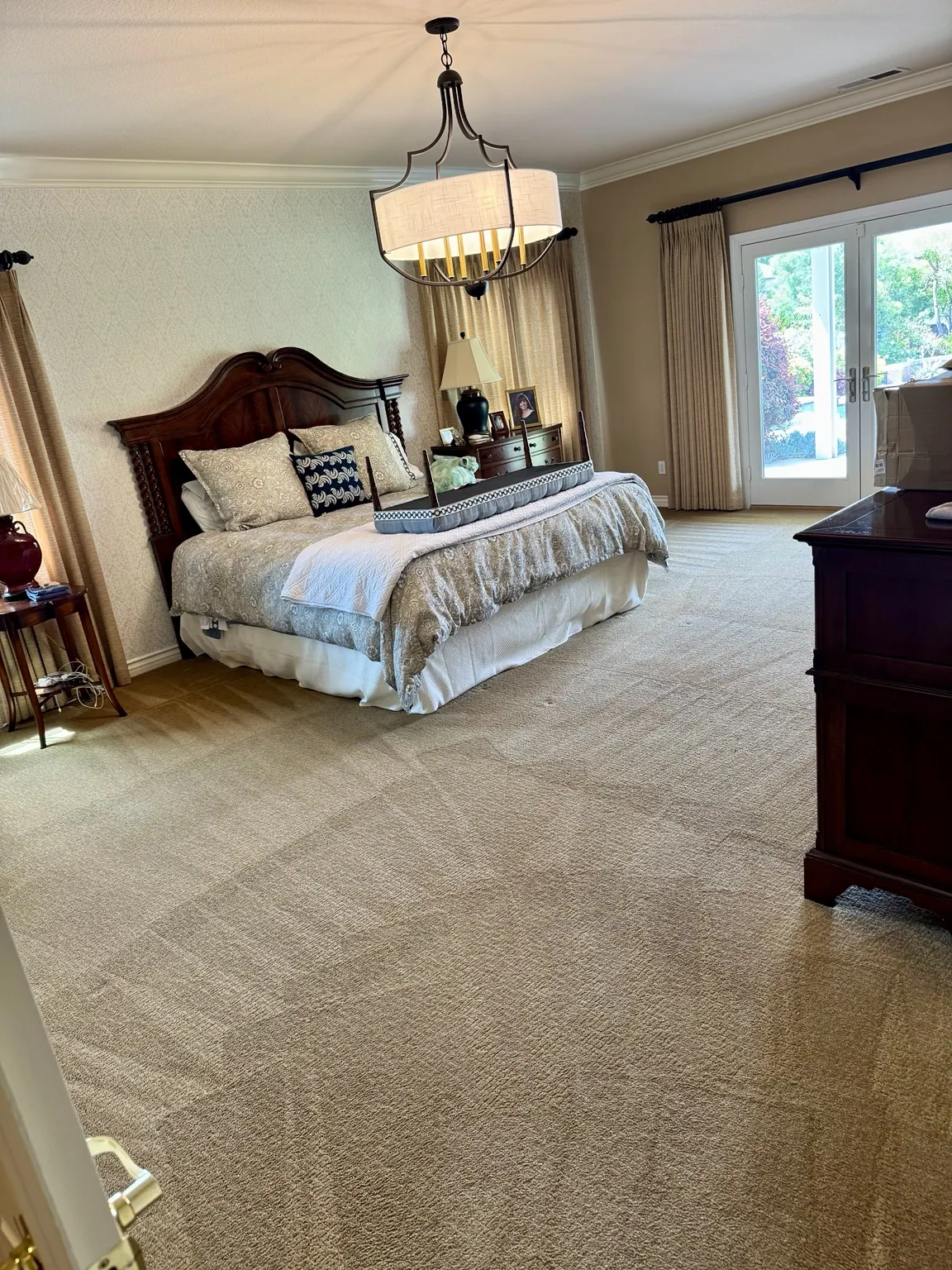
Vacuum regularly with the brush height set correctly for the pile; grit at the base of wool fibers is abrasive and causes wear that looks like dirt. Rotate furniture occasionally so crush marks do not become permanent, and keep strong direct sun off the same patch all year.
Spot cleaning wool safely
- Blot immediately with a white cloth — speed matters more than product.
- Use cool water first; a surprising number of fresh spills need nothing else.
- If a product is required, use a wool-safe, pH-neutral spotter and test it in a hidden area.
- Blot from the outside in, then dry with airflow.
Professional cleaning for wool
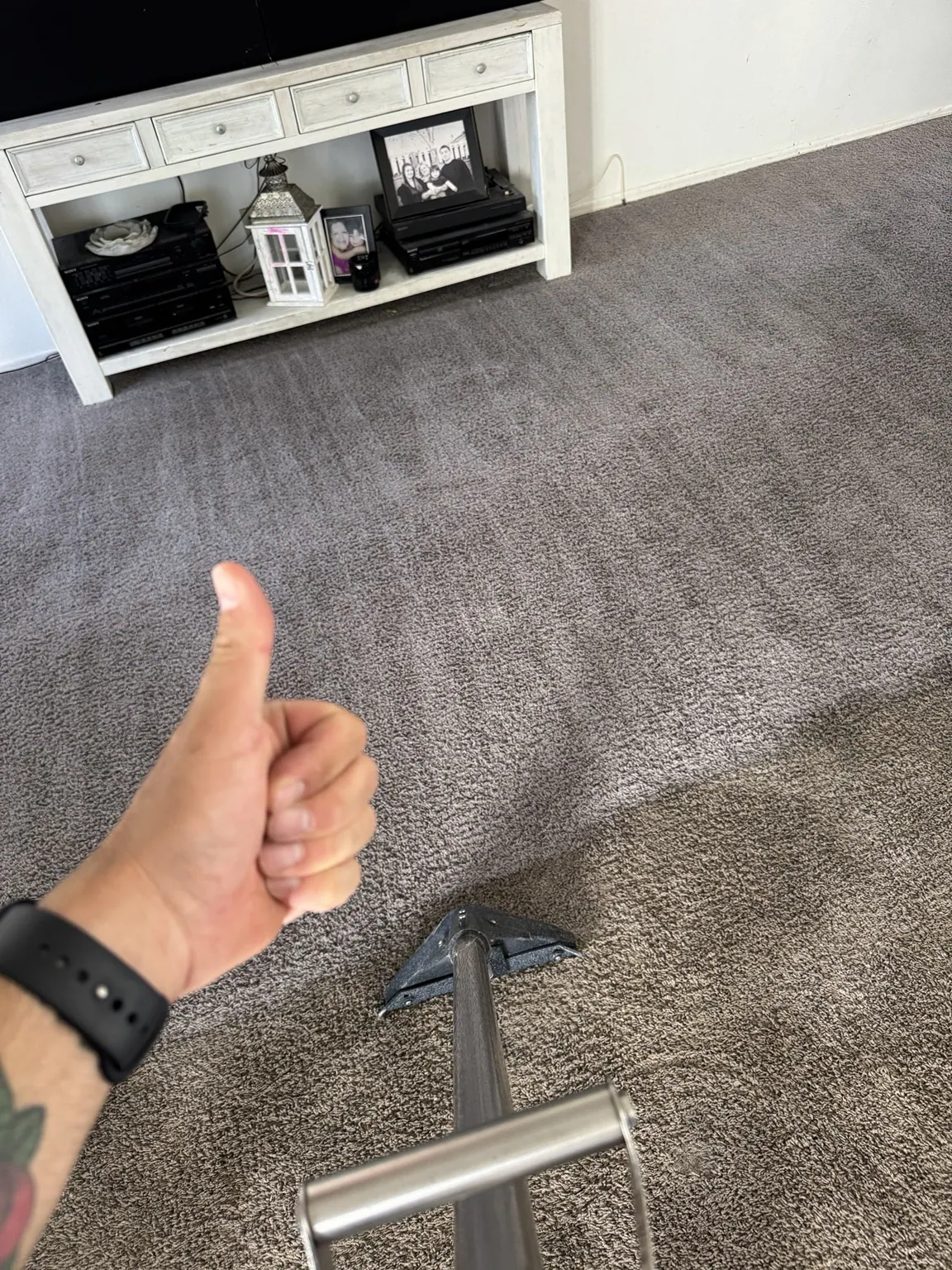
We use pH-neutral chemistry, controlled water temperature, careful moisture and grooming afterwards so the pile lays correctly, then dry the room actively. On wool we would rather do a second gentle pass than one aggressive one.
If a stain has already been treated with a harsh household product, tell us. Knowing what is in the fiber changes what we can safely do next.
Check the cleaning code first
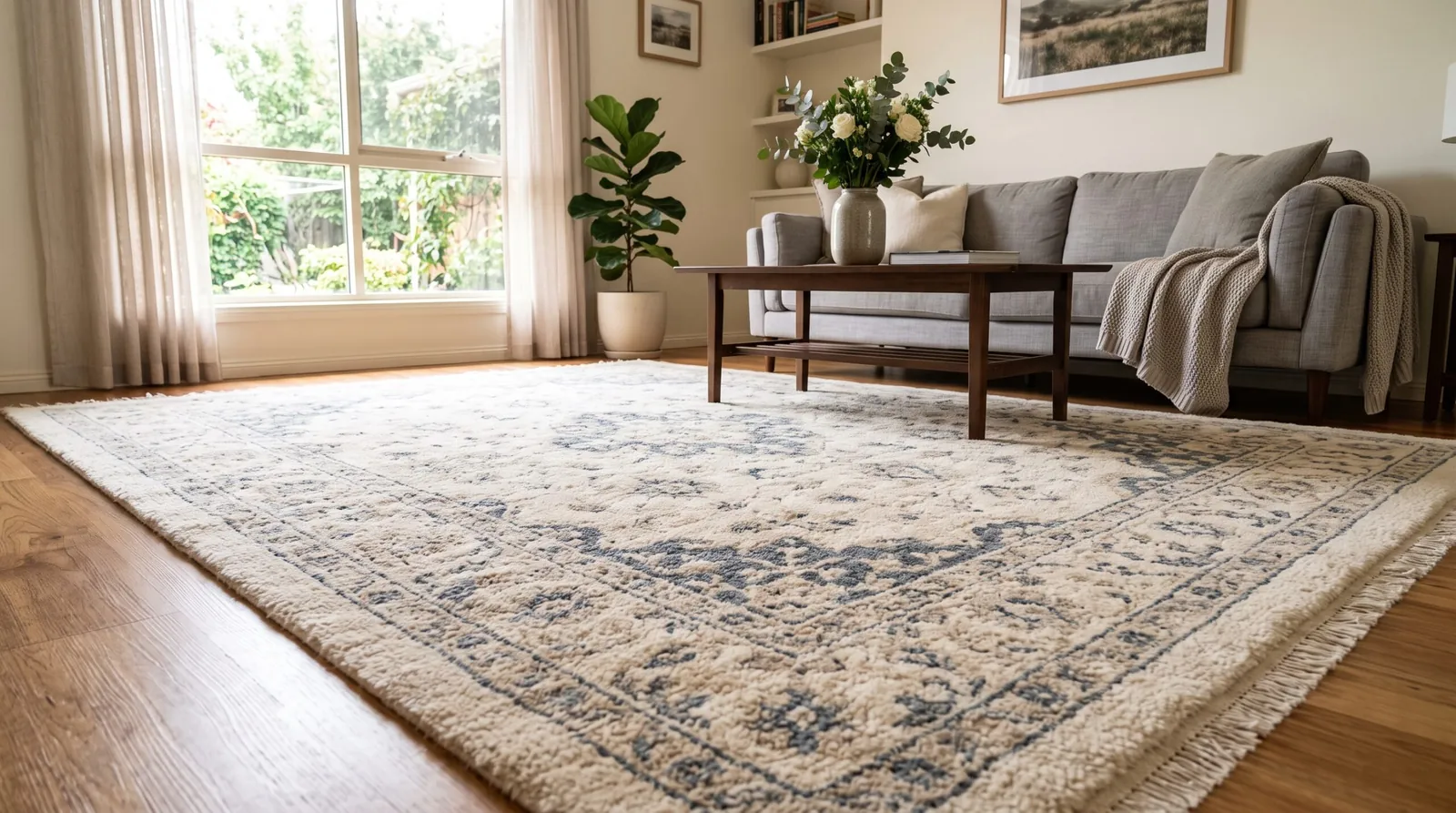
Before using any cleaner, check the carpet manufacturer’s care instructions. Some wool carpets have stain-resistant treatments or construction details that affect which cleaning method is appropriate. A wall-to-wall wool carpet may also have a jute, cotton, or natural-fiber backing that can shrink, brown, or develop odors if it becomes saturated.
When the care label is unavailable, treat the carpet conservatively. Avoid bleach, ammonia, strong degreasers, high-pH carpet shampoos, and cleaners marketed for heavy-duty synthetic carpet restoration. These products can weaken wool fibers, strip color, or leave the pile feeling coarse.
Always test a cleaning solution in a hidden corner, inside a closet, or under furniture first. Apply a small amount, blot it with a white towel, and let the spot dry completely. If color transfers to the towel or the area looks lighter, darker, stiff, or fuzzy, stop and choose a safer method.
Vacuuming safely
Most of the dirt in carpet is dry soil. Removing it before it gets ground into the fibers is the safest form of cleaning. Vacuum wool carpet once or twice a week in active rooms and more often near entryways, dining areas, and pet zones.
Use moderate suction and adjust the vacuum height so it glides without pulling at the pile. A rotating brush can be useful on some low-pile wool carpets, but it may be too aggressive for plush, looped, hand-tufted, or delicate styles. If the carpet looks fuzzy after vacuuming or you see loose fibers, turn off the beater bar and use suction only.
Vacuum slowly in overlapping passes. Quick passes lift surface debris but leave behind the grit that gradually dulls the carpet and wears down the fibers.
Treating spills and stains
Speed makes a real difference. A fresh spill is usually far easier to remove than a stain that has dried, spread, and settled into the backing.
Start by lifting solids with a spoon or dull edge. Then place a clean white cloth or plain white paper towel over the spill and press firmly. Do not rub. Rubbing pushes liquid deeper, spreads the stain, and can distort the wool pile.
For many fresh, water-based spills, use a lightly damp white cloth with cool or lukewarm water. Blot from the outside edge toward the center, switching to a clean part of the cloth as color transfers. Follow with a dry towel and press again to remove as much moisture as possible.
If water alone does not work, use a wool-safe, pH-neutral carpet spot cleaner in a very small amount. Apply it to the cloth rather than pouring it directly onto the carpet. Work gently, then blot with a second cloth lightly dampened with clean water to remove cleaner residue. Finish by pressing dry towels over the area.
Keep the spot as dry as possible. Open windows when weather allows, run ceiling fans, or use a fan pointed across the surface. Good airflow helps prevent lingering odor, browning, and moisture from traveling into the backing.
Blot immediately with cool water first. Avoid hot water, which can set certain food-based stains and may stress the wool. If a faint mark remains, use a wool-approved spot treatment after testing it in an inconspicuous area. Several gentle rounds are safer than one aggressive attempt.
Do not add lots of water right away. Lift excess oil with a spoon, then blot gently. A professional wool-safe solvent treatment may be the better choice for cooking oil, makeup, shoe polish, or grease, particularly on pale carpet. Household degreasers can create a larger, more noticeable problem than the original spot.
For pet accidents
Blot up as much liquid as possible without rubbing. Pet urine can travel below the visible surface and leave odor behind in the backing or padding. Avoid using strong odor removers, bleach, or enzyme products unless they are specifically approved for wool. Because wool is protein-based, the wrong enzyme formula can damage fibers.
If the odor returns after the area dries, or the accident is more than a small fresh spot, professional extraction and odor treatment are usually the safest route. Surface cleaning may improve the appearance while leaving the source below.
What to avoid
The biggest mistake people make with wool carpet is using too much water. Renting a machine, filling a home shampooer to the top, and repeatedly going over the same area can leave moisture deep in the carpet. Natural backing materials may shrink or release discoloration, and damp carpet can develop a musty smell.
Home steam cleaners deserve extra caution. The term “steam cleaning” is often used broadly, but professional hot-water extraction is not the same as blasting a carpet with hot steam. A trained technician controls water temperature, solution chemistry, agitation, and extraction. The key is using the least moisture needed and removing it thoroughly.
For a small maintenance refresh, a low-moisture method with a wool-safe product can be appropriate if the manufacturer permits it. For larger areas, visible traffic lanes, recurring odors, or heavily soiled carpet, professional cleaning is often more cost-effective than risking permanent damage with a rental machine.
Do Not Reach for Common DIY Shortcuts
Online cleaning advice can be useful, but wool requires more restraint than most carpets. Avoid treating wool carpet with undiluted vinegar, baking soda paste, dish soap, clothes-washing detergent, hydrogen peroxide, bleach, or powdered oxygen cleaners unless the carpet manufacturer explicitly approves the product.
Baking soda may seem harmless, but fine powder can settle deep into the pile and be difficult to vacuum out completely. Dish soap and clothes-washing detergent can leave residue that attracts soil. Peroxide and bleach can alter color. Vinegar may affect dyes or leave an odor, and its usefulness depends on the specific stain and the carpet’s dye stability.
For wool, pH level and rinseability matter just as much as the ingredient list.
Keeping it looking good
Prevention protects wool better than repeated spot treatment. Place durable mats at exterior doors, ask guests to remove shoes when practical, and use furniture pads or protective cups to reduce crushing under heavy furniture. Rotate area rugs and move furniture slightly from time to time so sunlight and traffic do not create uneven wear patterns.
Address spills quickly, vacuum consistently, and do not wait until the carpet looks gray or matted before scheduling a deeper cleaning. By that point, dry soil may be packed deep in the fibers, requiring more intensive work.
In Los Angeles, dust, open windows, pet dander, and everyday indoor-outdoor traffic can build up faster than homeowners expect. A fabric-specific cleaning process can restore the carpet’s appearance while helping reduce embedded soil and odors without exposing wool to unnecessary stress.
Related service
Carpet cleaningFamily-owned, based in Beverly Hills, serving Los Angeles County and approved Orange County communities.
Recent Go4Cleaning work
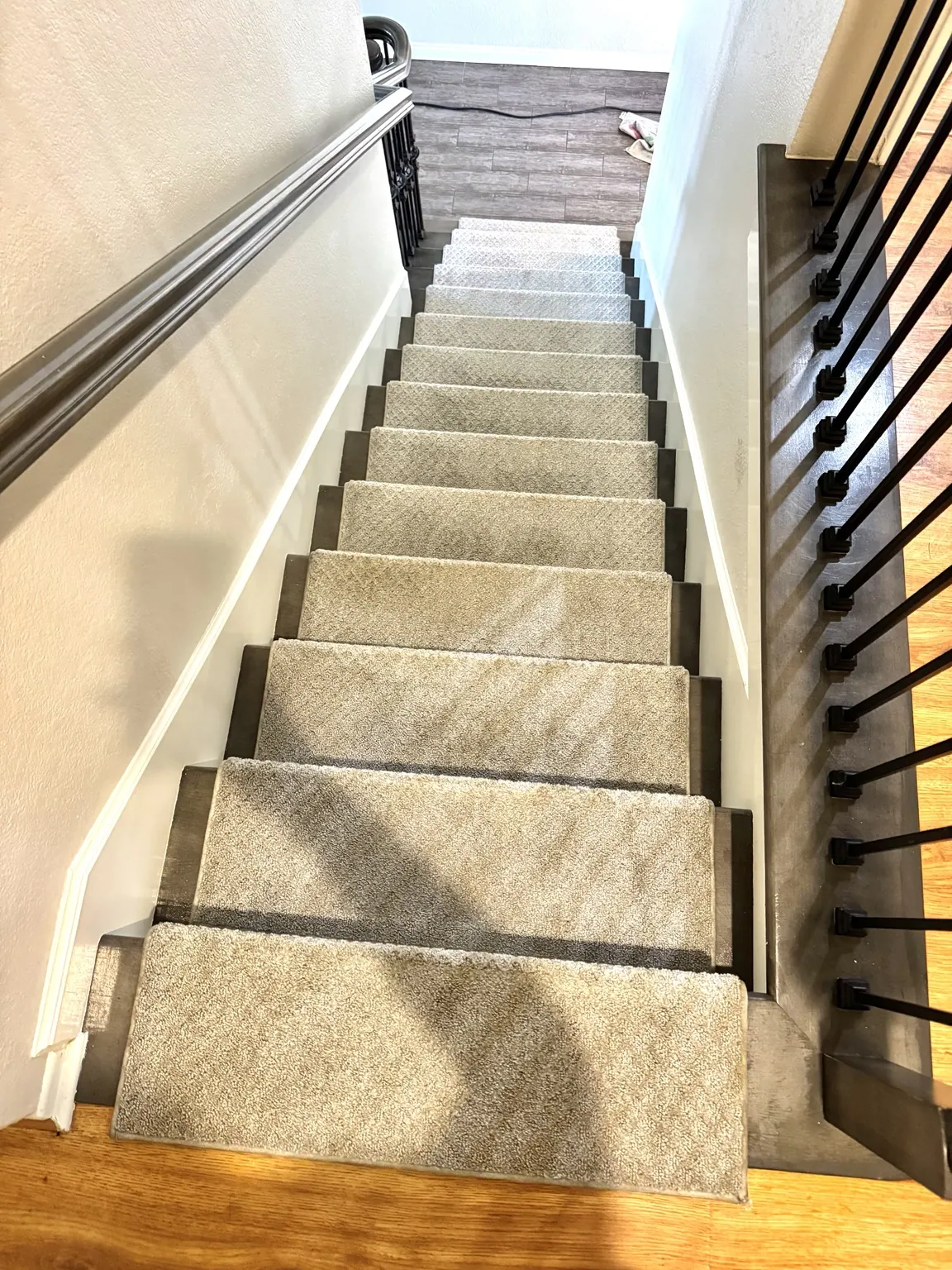
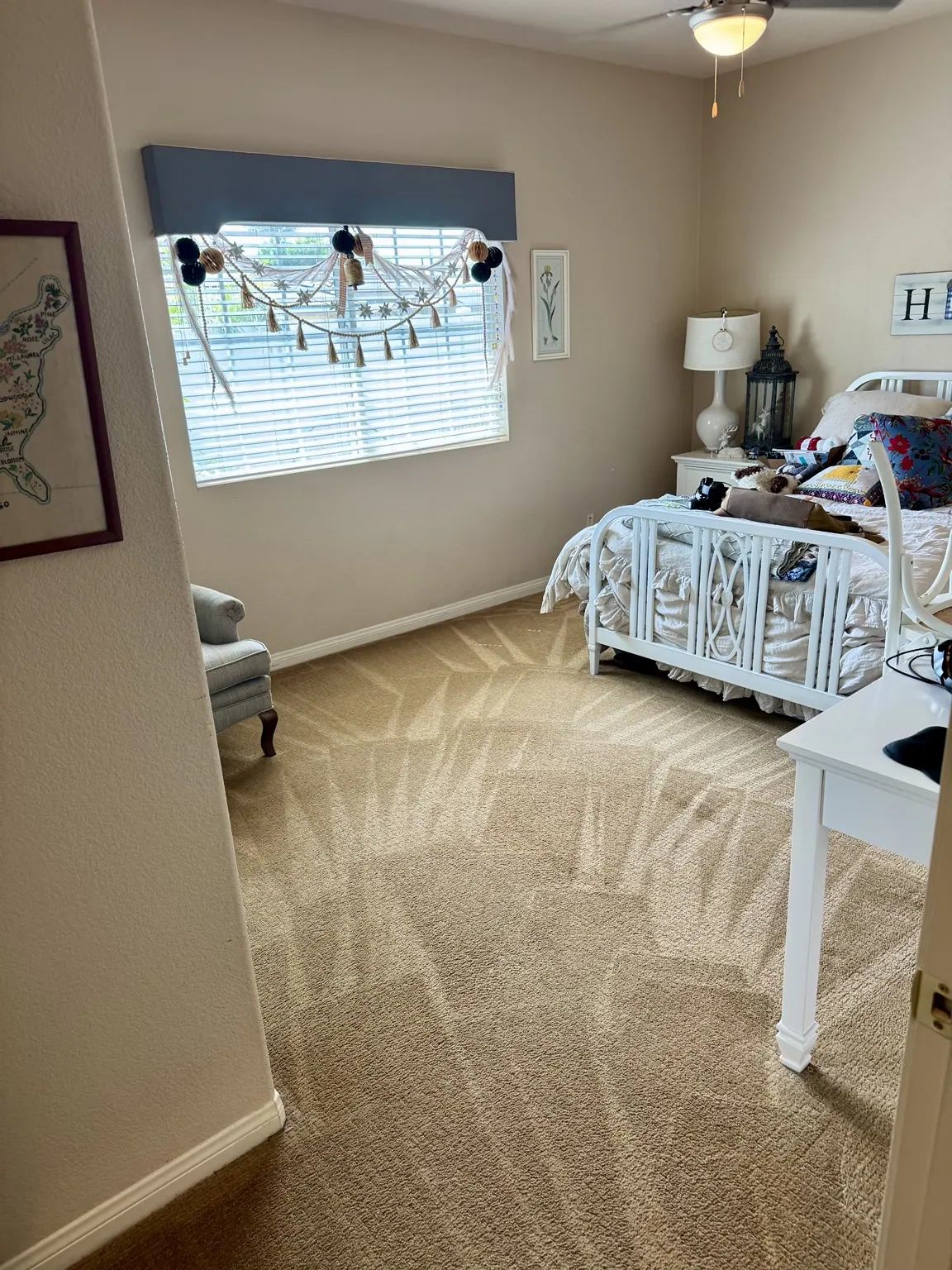
Photos from Go4Cleaning jobs, taken by our own crew.
Common questions
Can wool carpet be steam cleaned?
Yes, by someone who controls temperature and moisture for wool. The problem is never extraction itself — it is heat, alkalinity and leaving it wet.
How often should wool carpet be cleaned?
For most homes, every 12 to 18 months, sooner with pets or heavy traffic. Vacuuming frequency matters more than cleaning frequency.
Want this handled properly?
Call or text (866) 631-2244 for a straightforward quote, or send photos with your request.
Cleaning appointments 8:00 a.m. – 8:00 p.m. daily. Calls, messages and scheduling 24/7.