
Carpet care
Low Pile vs High Pile Carpet — Which One Fits Your Home?
Pile height is the decision people notice least in the showroom and most a year later. It changes how a room feels underfoot, how quickly it shows traffic, and how long it takes to dry after cleaning.
By Go4Cleaning Team · Updated August 26, 2026 · 6 min read
Quick answer
Low pile carpet resists matting and dries faster, making it the better choice for hallways, stairs and high-traffic open-plan rooms, while high pile feels softer but shows traffic lanes and holds more dirt, hair and sand. Match pile height to how much foot traffic a room actually gets, and prioritize density within whichever height you choose.
What pile height actually describes
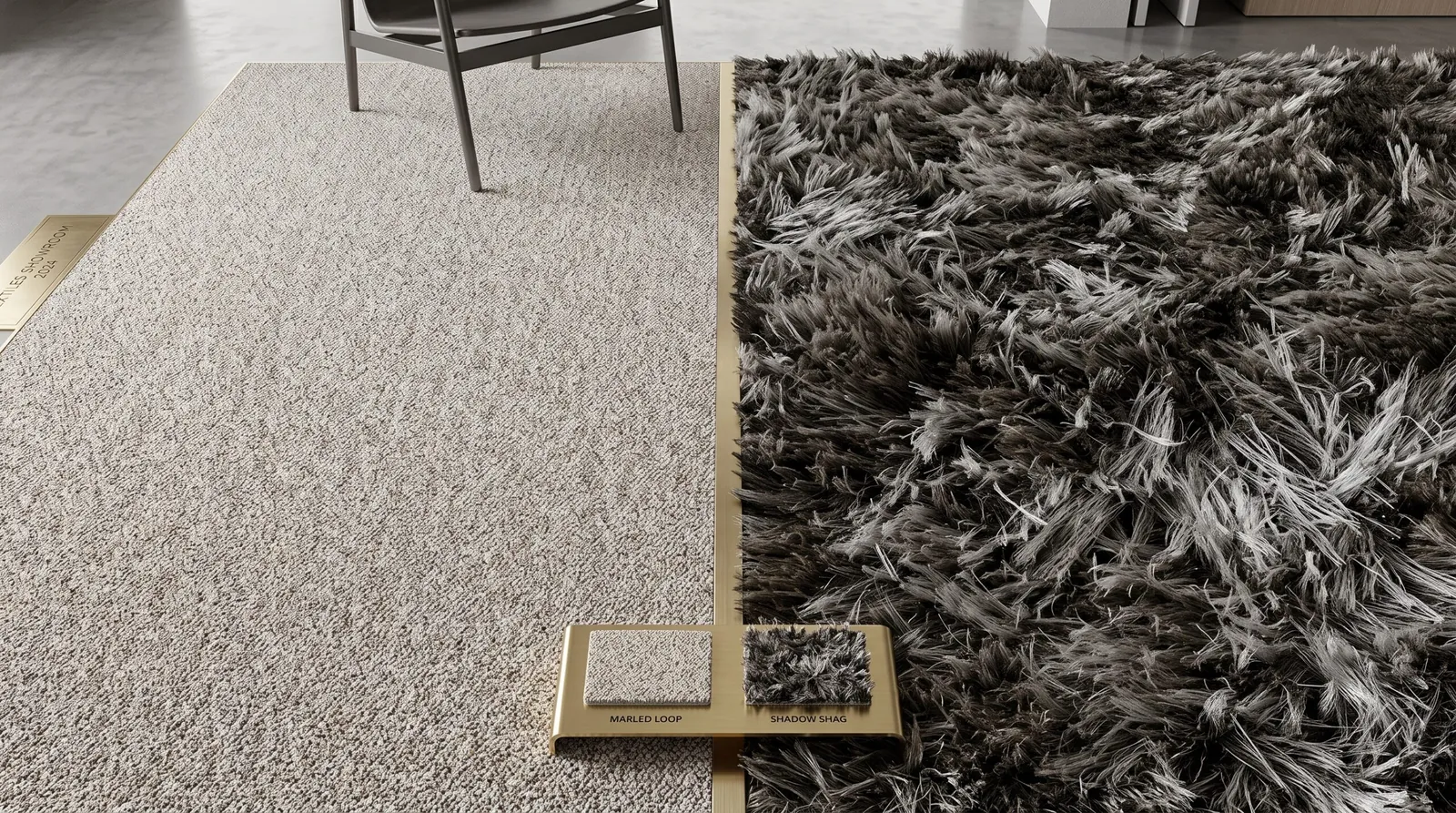
Pile height is the length of the fibre above the backing. Low pile is roughly a quarter inch or less and packs the fibres densely; high pile is longer and looser, which is why it feels soft and why it holds more of everything.
Density matters as much as height. A dense low pile outlasts a sparse one at the same height, and it is the specification worth asking about.
Traffic and appearance over time
- Low pile: resists matting, shows footprints and vacuum lines less, best for hallways, stairs, offices and open-plan living.
- High pile: warmer and softer underfoot, but crushes into visible traffic lanes and shows every path through a room.
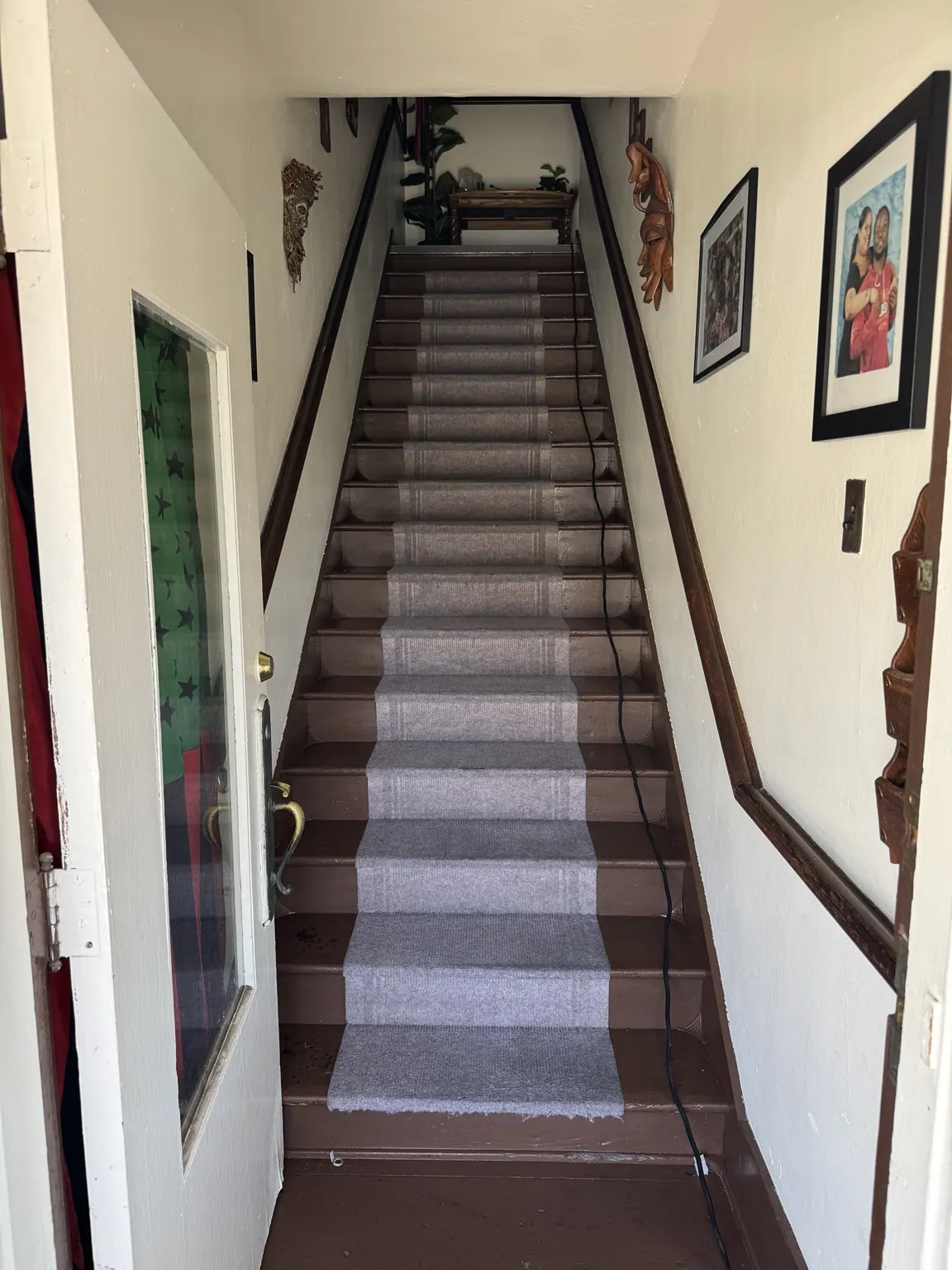
- Stairs: low pile almost always, both for wear and for safe footing.
- Bedrooms and dens: high pile is genuinely nicer where traffic is light.
Pets, grit and coastal homes
High pile holds far more dry soil, pet hair and sand. In homes near the beach that sand works down to the backing and abrades the fibre from below, which shortens the carpet's life quietly.
Low pile releases dry soil more readily to a vacuum, which is the single biggest factor in how long any carpet looks good.
How each one cleans
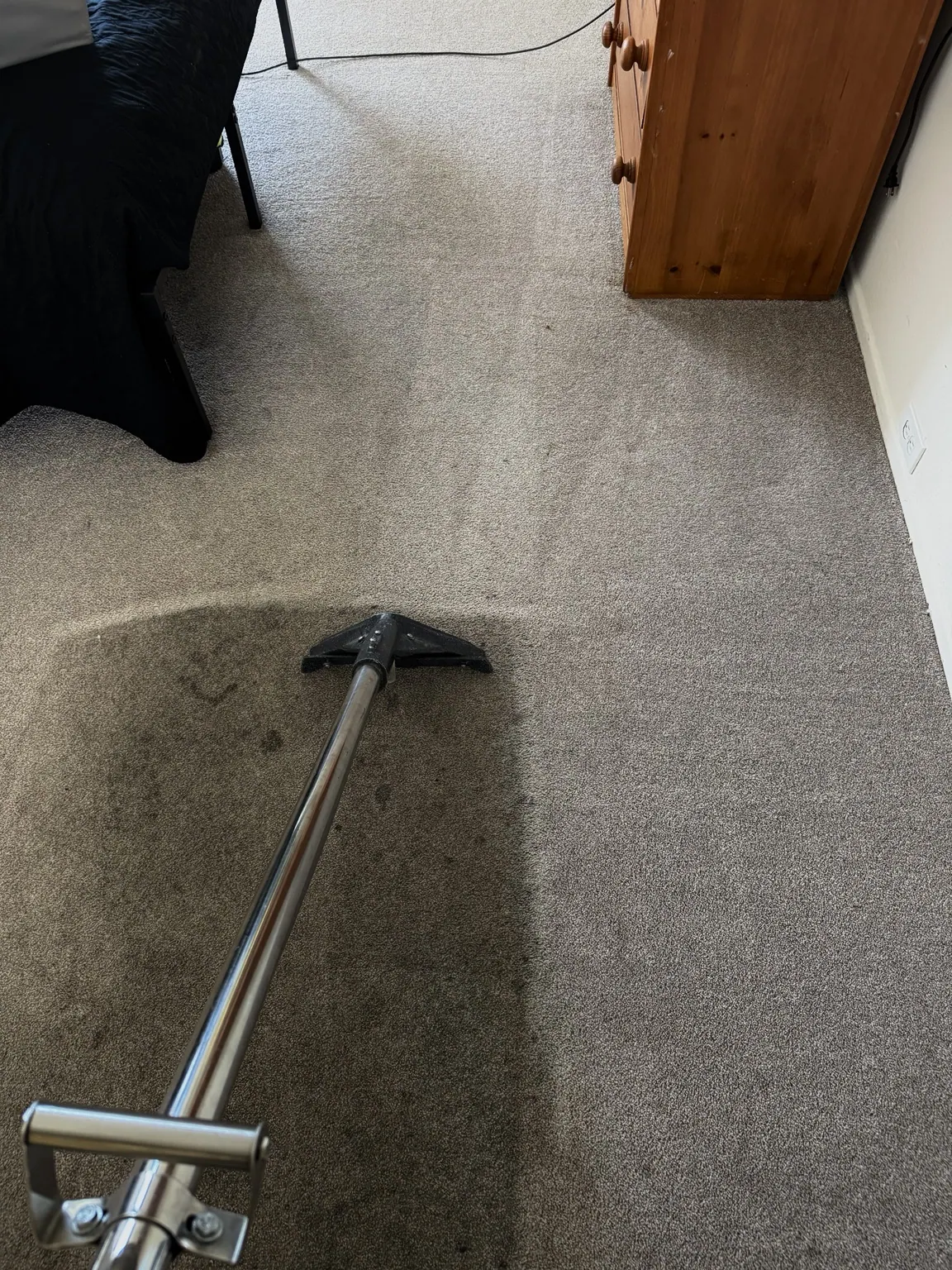
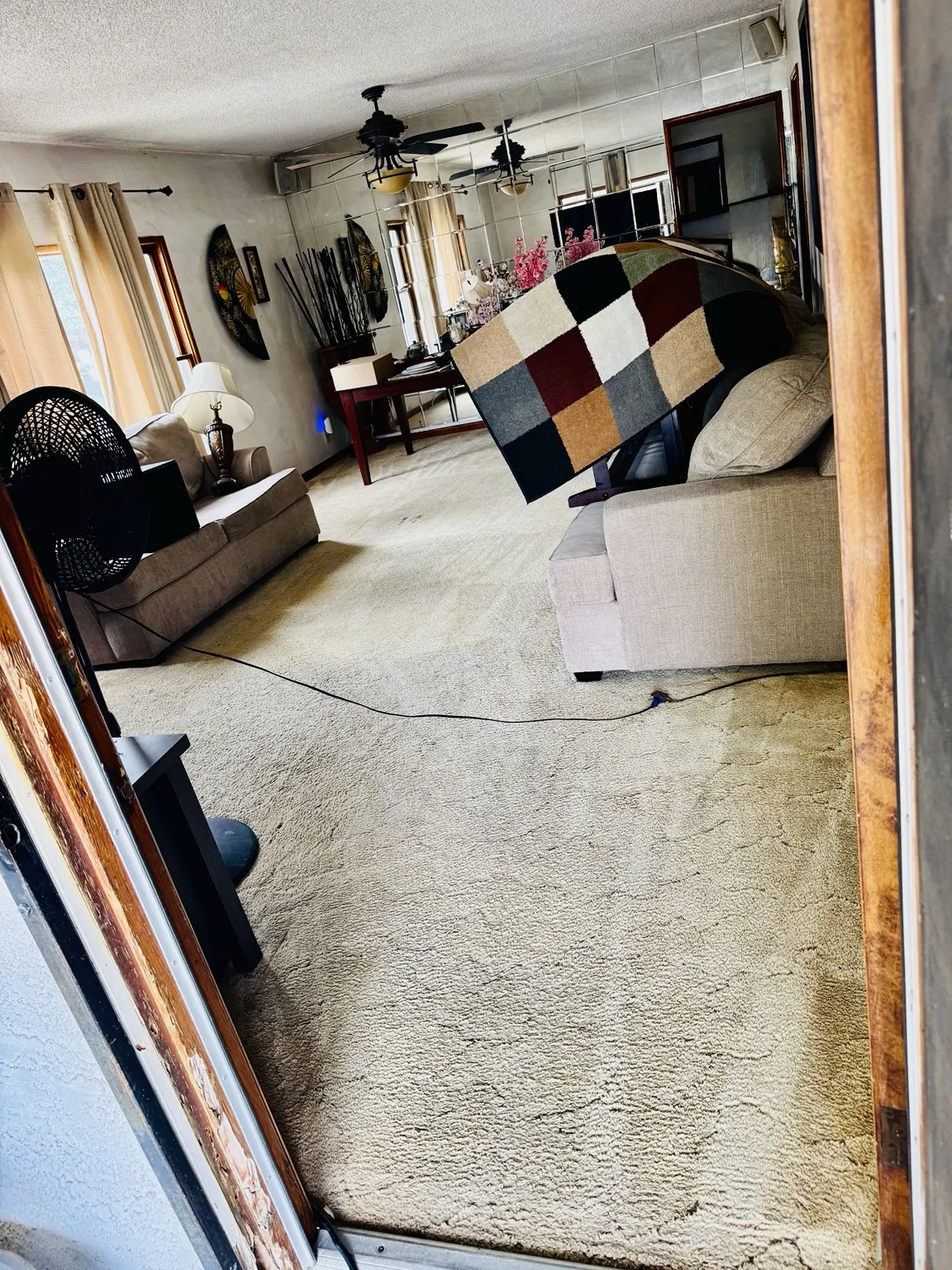
Low pile cleans faster and dries faster because there is less fibre holding water. High pile needs more dwell time, more careful extraction and much more attention to drying — a deep pile left damp is where musty smells and browning start.
Whichever you have, the finishing steps matter: grooming the pile after cleaning and moving air across it is what makes the difference between a carpet that looks good today and one that still looks good in six weeks.
A simple way to decide
Match pile to traffic, not to taste alone. Put low pile everywhere the household actually walks, save high pile for the rooms where comfort matters and feet are few, and choose the densest option your budget allows in both cases.
What Does “Pile” Actually Mean?
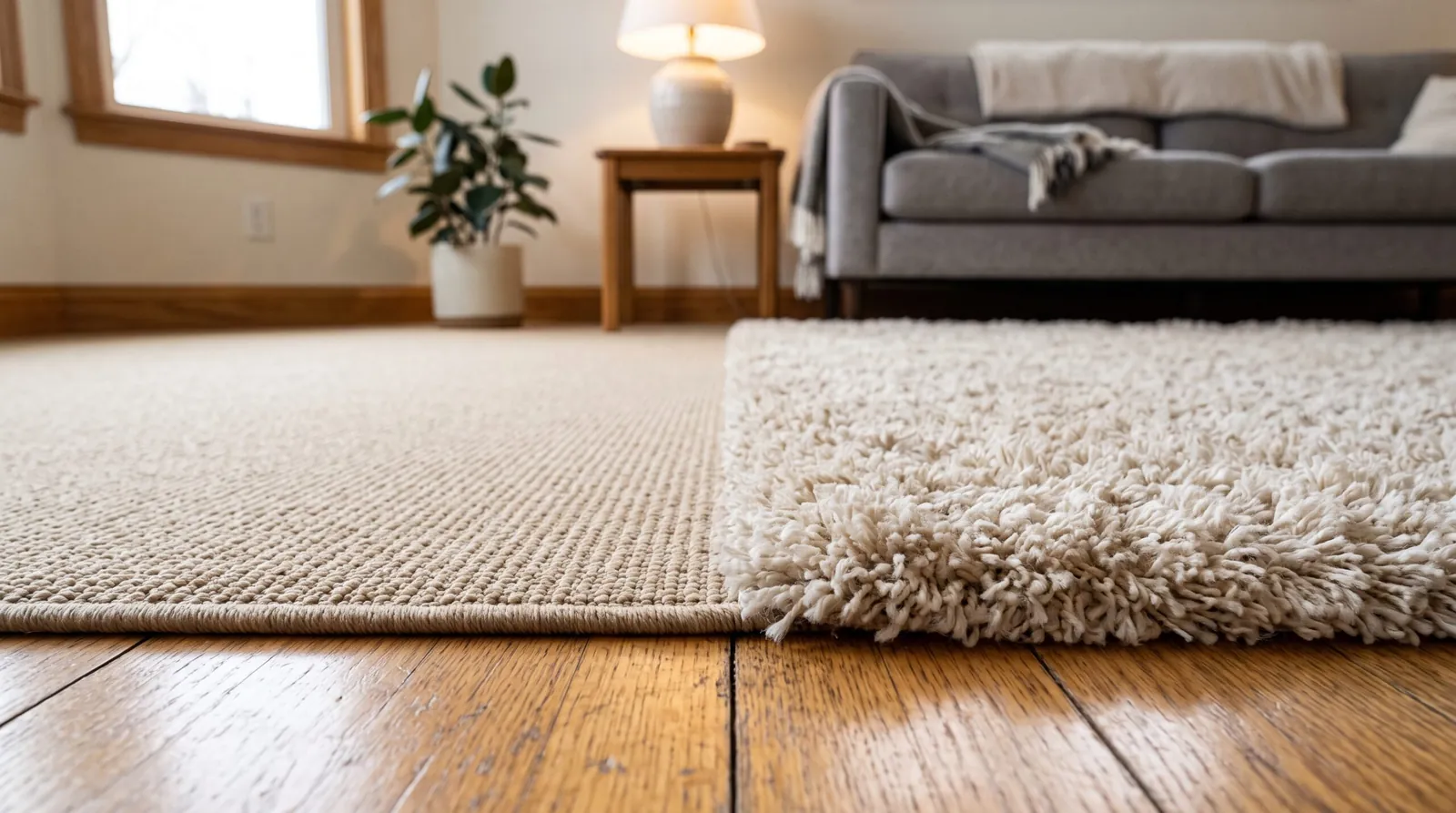
The pile of a carpet refers to the fibers that make up its surface. These fibers are looped or cut and anchored into a backing material. The height of those fibers determines whether you have a low pile or high pile carpet.
Think of it like grass. Short, dense grass is easy to walk on and maintain. Tall, lush grass looks beautiful but takes more effort to care for. Carpet pile works the same way.
What It Looks and Feels Like
Low pile carpet has short, tightly packed fibers, usually under half an inch in height. It feels firm underfoot and has a smooth, consistent surface. Berber and frieze styles often fall into this category, and they are common in high-traffic areas like hallways, offices, and living rooms.
Why People Choose It
The biggest advantage of low pile carpet is how easy it is to maintain. A standard vacuum cleaner can move across it without getting stuck or losing suction. Dirt and debris sit near the surface rather than sinking deep into the fibers, which makes regular vacuuming far more effective.
It also holds up well under furniture. Heavy pieces like sofas and bookshelves are less likely to leave permanent dents in a tighter, shorter pile. If you are looking at flooring that can handle foot traffic and furniture weight without showing wear quickly, low pile is a strong contender.
The Trade-Off
The softness that makes high pile carpet so appealing is also what makes it more demanding to care for. A regular vacuum may not reach the base of the fibers effectively.
Best Carpet Pile for Pets, Kids, and High-Traffic Homes
If pets, kids, or a steady stream of foot traffic are part of daily life, pile height should factor into your decision as much as style does. Low pile handles muddy paws, dropped snacks, and constant activity better, since spills and dirt stay closer to the surface and are easier to lift out before they set.
High pile still has a place in these homes, just a more limited one, think a quiet primary bedroom or a formal living room that sees light use rather than the main hallway or playroom.
How Pile Height Changes Your Cleaning Routine
Pile height doesn’t just affect how a carpet feels; it changes how you should clean it. Low pile carpet generally does fine with a standard vacuum on a normal setting. High pile carpet needs a lighter touch: a beater bar set too aggressively can fray and pull at the longer fibers instead of lifting debris out of them, which is one of the more common carpet cleaning mistakes homeowners make without realizing it.
Which Carpet Type Is Easier to Keep Clean?
Low pile carpet wins on ease of maintenance. The fibers are close together, and the surface is easier to extract dirt from. That said, no carpet — regardless of pile height — stays truly clean with vacuuming alone.
Professional carpet cleaning reaches the base of the fiber in ways that a vacuum cleaner simply cannot. This is true for both pile types, but it matters even more for high pile carpet where grime settles deep and stays there.
According to flooring resources like Greatmats, regular professional cleaning extends carpet life significantly and keeps fibers looking their best regardless of pile height.
How often to clean
Cleaning frequency shifts with pile height too. Low pile carpet typically holds up well with a professional clean once every 12 to 18 months in an average household, since less debris gets trapped below the surface to begin with. High pile carpet benefits from a shorter interval, generally every 6 to 12 months, given how much more it accumulates at the base of the fibers. This lines up with broader guidance on how often you should clean your carpet, adjusted up or down based on how deep your pile runs and how much traffic the room gets.
Does pile height affect carpet cleaning cost?
It can. High pile carpet often takes more time and a deeper cleaning method to treat properly, which may be reflected in the price compared to a straightforward low pile job.
Vacuuming safely
It’s better to avoid it or use a low, gentle setting. Beater bars are designed for short, dense fibers and can fray or loosen the longer strands in high pile carpet.
No. Low pile’s short, tight fibers don’t hold a visible track the way longer high pile fibers do, which is part of why shag-style carpets often look “freshly raked” after vacuuming.
Related service
Carpet cleaningFamily-owned, based in Beverly Hills, serving Los Angeles County and approved Orange County communities.
Recent Go4Cleaning work
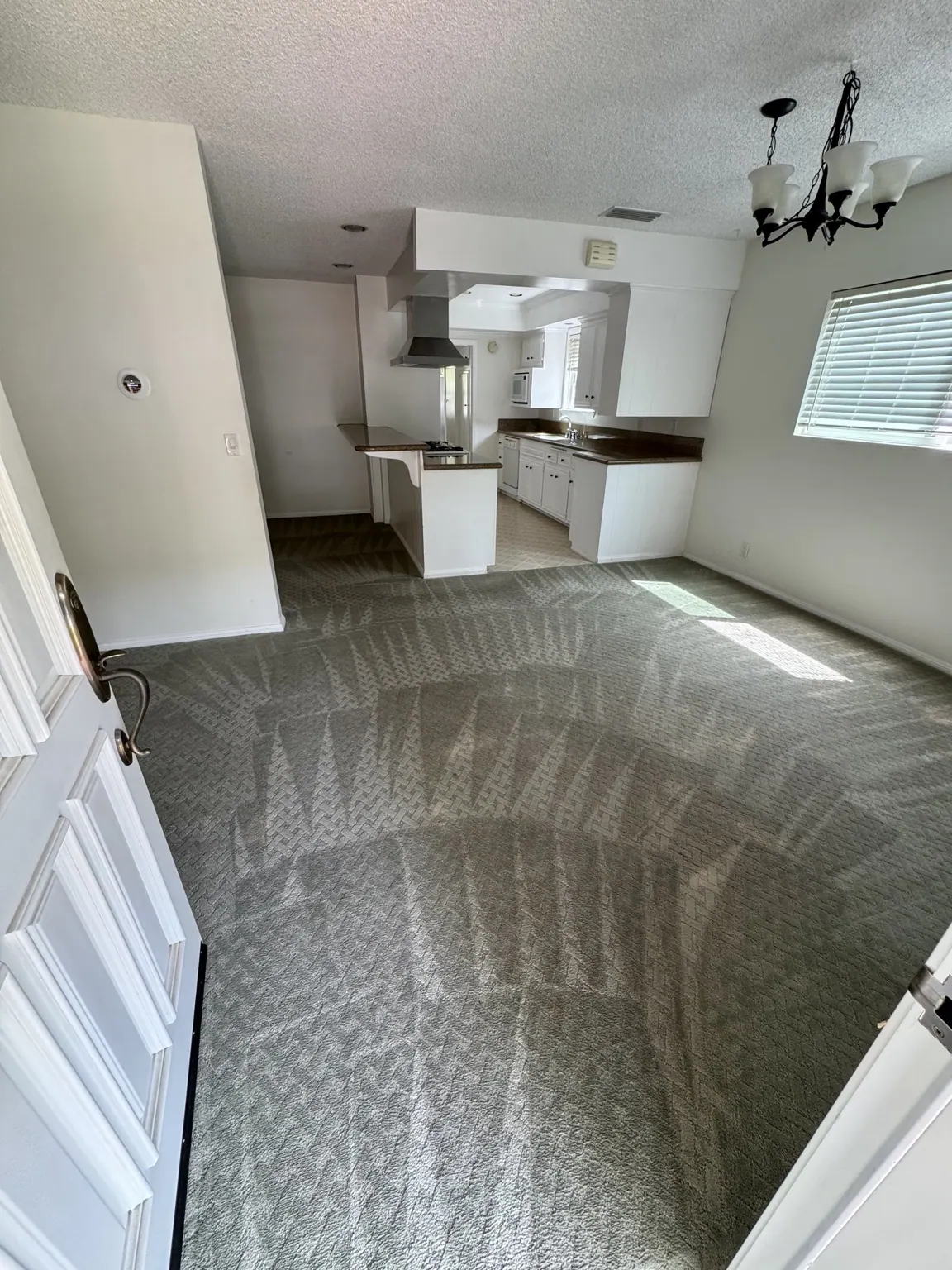
Photos from Go4Cleaning jobs, taken by our own crew.
Common questions
Is high pile carpet worse for allergies?
It holds more dry soil and dander between vacuums simply because there is more fibre. Regular vacuuming and periodic deep cleaning matter more than pile height itself.
How long should each take to dry after cleaning?
Low pile is often touch-dry in a few hours with good airflow. High pile takes longer, and should still be dry the same day if it was cleaned and dried properly.
Want this handled properly?
Call or text (866) 631-2244 for a straightforward quote, or send photos with your request.
Cleaning appointments 8:00 a.m. – 8:00 p.m. daily. Calls, messages and scheduling 24/7.