Carpet care
Nylon vs Polyester Carpet — Which Holds Up Better With Dogs?
Both fibres are sold as pet-friendly, and both can be — for different reasons. Nylon wins on durability and cleanability, polyester wins on stain resistance and price. Which matters more depends on your dog, not on the showroom brochure.
By Go4Cleaning Team · Updated August 26, 2026 · 7 min read
Quick answer
Nylon generally holds up better to heavy dog traffic because it resists crushing and cleans back up well, while polyester resists water-based stains better but crushes sooner underfoot. Neither fiber stops urine from reaching the backing and pad, so blotting spills immediately and choosing a moisture-barrier pad matter as much as which fiber you pick.
Durability: nylon, clearly
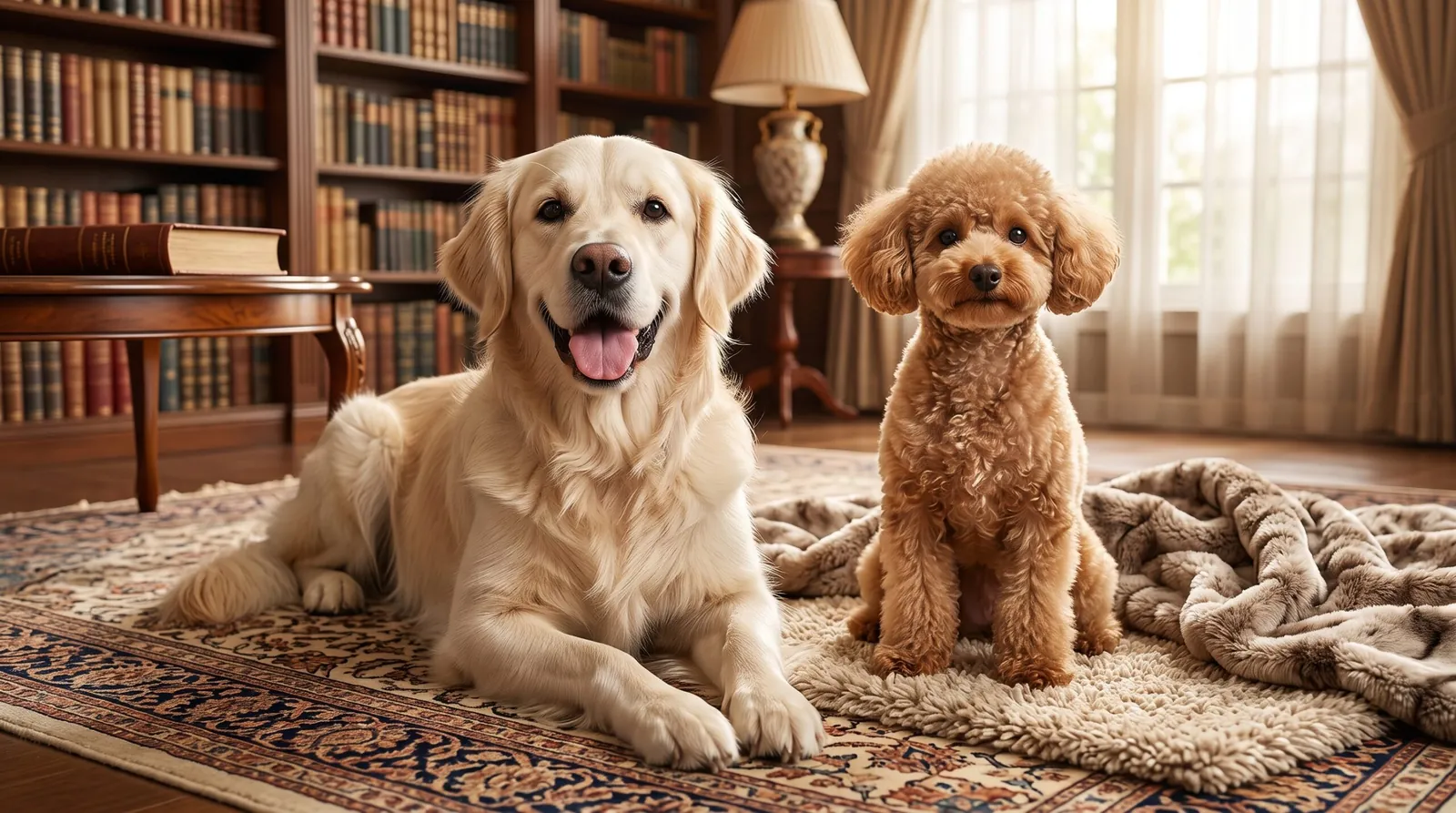
Nylon has excellent resilience, meaning the fibre springs back after it is compressed. In a hallway a large dog runs down twenty times a day, that matters more than anything else on the spec sheet.
Polyester crushes sooner in the same traffic. It still looks fine in bedrooms and low-traffic rooms, but matted traffic lanes show earlier.
Stains: polyester has the natural edge
Polyester is hydrophobic — it does not absorb water-based spills readily, so muddy paws and drink spills sit on the surface longer and blot up more easily.
Nylon is absorbent by nature and relies on a factory stain-resist treatment. That treatment works well but wears down over the years, and it wears down fastest in exactly the areas that get cleaned most.
Odour is a backing and padding problem, not a fibre problem
Neither fibre stops urine from reaching the backing and the pad. Once it does, the smell comes from underneath, and surface cleaning of either carpet will not resolve it.
What differs is response time. Because polyester holds liquid at the surface a little longer, you have marginally more time to blot before it soaks through — but only if you are in the room when it happens.
- Blot immediately with dry towels and weight, do not rub.
- Avoid steam on a fresh urine spot; heat can set the odour into the fibre.
- Treat the area, not just the visible mark — urine spreads wider underneath.
What each fibre means when we clean it
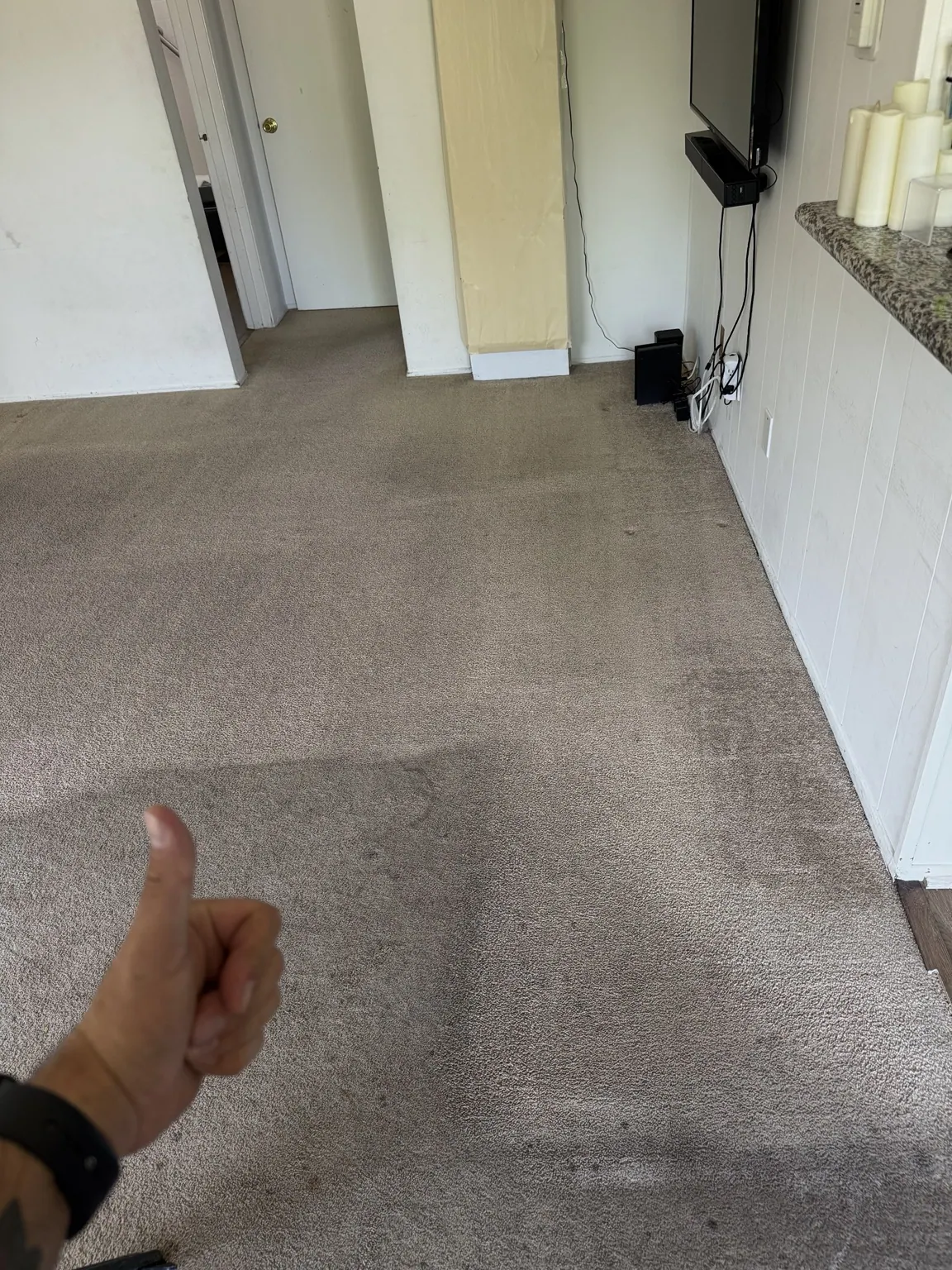
Nylon tolerates hot water extraction well and generally releases oily traffic-lane soil more completely, which is why heavily used nylon usually cleans up dramatically.
Polyester is oleophilic — it attracts oils. Traffic lanes in a polyester carpet need a properly matched pre-spray and dwell time or they stay grey after cleaning. Done right it cleans well; done fast it does not.
A straight recommendation
Large or active dogs, stairs and open-plan traffic: nylon, with a good pad and a protector reapplied after cleaning. Smaller dogs, bedrooms and a tighter budget: polyester is a sensible choice. In either case the pad matters as much as the fibre — a moisture-barrier pad is the single most useful upgrade in a dog household.
Background from the original guide
Nylon has been the standard in residential flooring for decades because of how well it bounces back. After a dog sprints across the room or furniture gets dragged around, nylon fibers tend to return to their original shape rather than staying crushed. Nylon itself isn’t naturally stain-resistant, but most nylon carpet comes with a stain-resistant coating applied during manufacturing.
That coating does the real work, and it wears down over time with heavy use, which is where regular professional cleaning helps restore some of that protection.
Polyester carpet is typically made from recycled plastic (polyethylene terephthalate), which is a genuine sustainability plus. Unlike nylon, polyester fiber is naturally stain-resistant because it doesn’t absorb liquids easily. Its weak point is oil rather than staining: pet fur carries natural oils that build up in the fiber over time, and since polyester doesn’t release oil-based residue easily, carpets can start looking matted and dull, especially lower-density polyester.
Polyester also doesn’t bounce back from compression as well as nylon, which matters if your dog has a favorite napping spot.
Is Nylon or Polyester Carpet Safer for Dogs?
Neither fiber is toxic in normal use, but a few practical safety points are worth knowing if you have a dog in the house.
If you’ve just had new carpet installed, both nylon and polyester (along with the padding underneath) can off-gas mild odors for the first few days, so it helps to ventilate the room and keep pets off freshly installed carpet until that settles.
Stain-resistant coatings on nylon are applied at the factory and are generally considered safe once the carpet is installed and aired out, but dogs that lick their paws frequently after walking across newly treated carpet is one more reason ventilation matters early on.
The bigger ongoing safety concern for pet households isn’t the fiber itself; it’s what builds up in it.
That’s true of either fiber, which is really the case for staying on top of cleaning rather than picking one material and assuming it’s maintenance-free.
How it compares with other fabrics
Durability: Nylon wins. It handles heavy use and holds its shape longer than polyester over years of pet traffic.
Stain Resistance: Polyester has the natural edge, since the fiber itself repels liquid-based stains. Treated nylon performs competitively but relies on its coating.
Oil and Grease Resistance: Nylon wins again. Pet oils don’t cling to nylon the way they cling to polyester, a significant long-term factor for dog owners.
Cost: Polyester is typically more affordable upfront, and a high-density polyester can still perform reasonably well.
Eco-Friendliness: Polyester earns points for using recycled materials, though nylon’s longer lifespan means fewer replacements over time.
Color Retention: Nylon holds color well over time. Polyester can fade faster, especially with frequent cleaning.
How Fiber Type Affects Cleaning for Pet Households
Fiber type directly affects how a carpet responds to cleaning products, heat, and professional treatment, which matters more with a dog in the house than in a pet-free home. Nylon is generally more receptive to deep cleaning and holds up well to professional hot water extraction without degrading.
Polyester is more sensitive: aggressive cleaning or high heat can cause it to mat further or lose texture, which is one of the more common carpet cleaning mistakes people make when they treat every fiber type the same way.
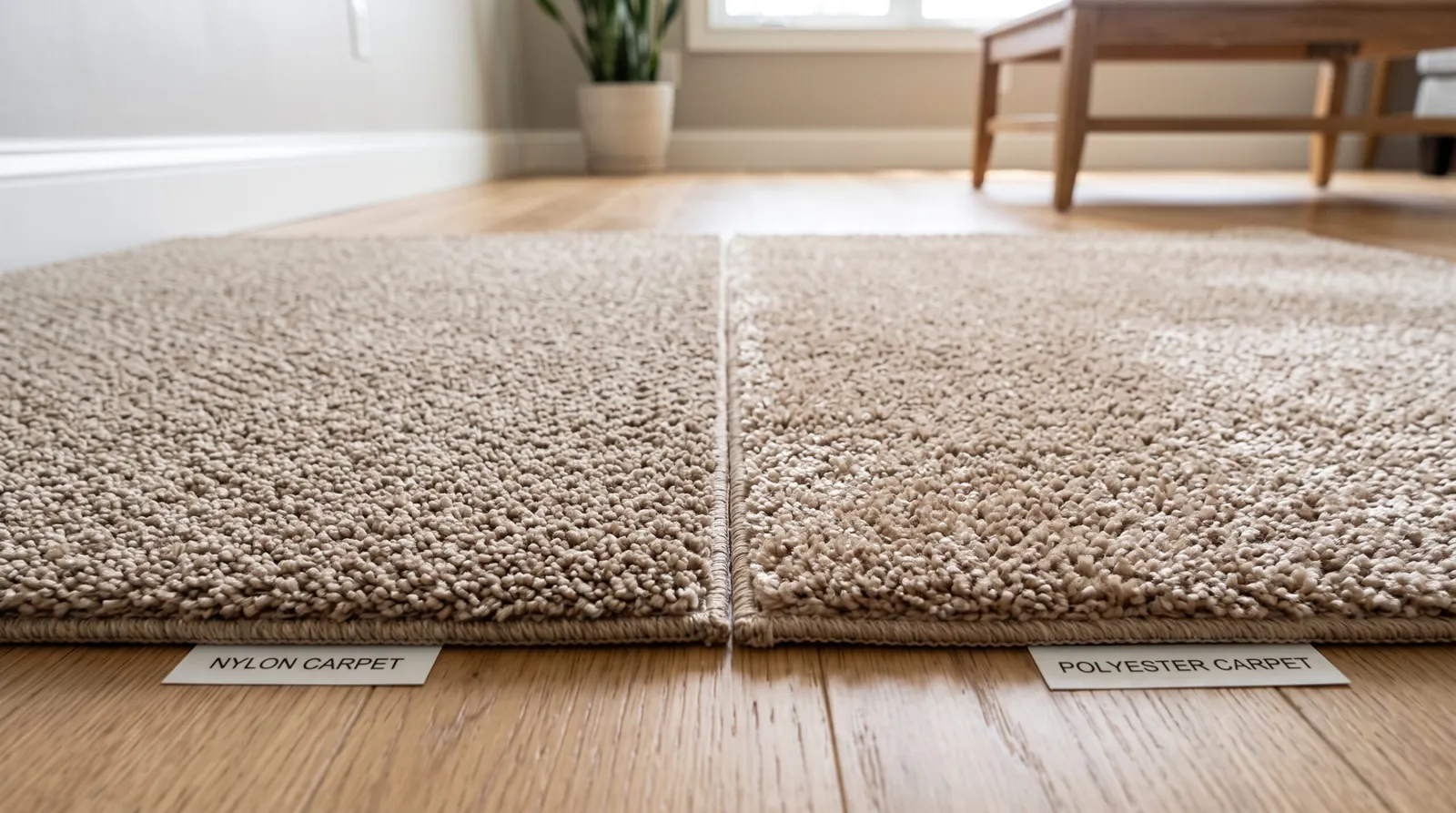
Nylon and polyester: a quick fibre comparison
Nylon has been the residential standard for decades because of how well it recovers. After a dog sprints across the room or furniture is dragged around, nylon tends to return towards its original shape rather than staying crushed. Nylon is not naturally stain resistant; most nylon carpet carries a stain-resistant treatment applied during manufacturing, and that treatment wears with use.
Polyester is typically made from recycled PET. The fibre itself resists water-based staining because it does not absorb liquid easily. Its weak point is oil: pet fur carries natural oils that build up in the fibre, and lower-density polyester can start to look matted and dull as a result.
Polyester also recovers from compression less well than nylon, which shows up quickly in a dog's favourite napping spot.
Head to head for dog owners
Durability: nylon generally holds its shape longer under heavy pet traffic.
Water-based stain resistance: polyester has the natural edge; treated nylon competes while its treatment lasts.
Oil and grease: nylon usually releases pet oils more readily than polyester.
Cost: polyester is typically cheaper up front, and a high-density polyester can still perform reasonably well.
Recycled content: polyester commonly uses recycled material; nylon's longer service life means fewer replacements.
Colour retention: nylon tends to hold colour well over time.
Living with either fibre
Newly installed carpet and padding of any type can have an odour for the first few days, so ventilate the room while that settles and keep pets off the new floor until it does.
The ongoing issue in a pet household is not the fibre but what accumulates in it: oils, dander and tracked-in debris are what feed odour and make a room feel stale. That is true of both fibres, so a maintenance routine matters more than the material you pick.
How fibre type changes cleaning
Fibre type affects how a carpet responds to heat, moisture and cleaning products. Nylon is generally receptive to professional hot water extraction and holds up well to it.
Polyester is more sensitive: aggressive agitation or high heat can mat the pile further or flatten its texture. Treating every fibre the same way is one of the more common cleaning mistakes, so tell your cleaner what you have — or ask them to identify it.
Related service
Pet stain & odor removalFamily-owned, based in Beverly Hills, serving Los Angeles County and approved Orange County communities.
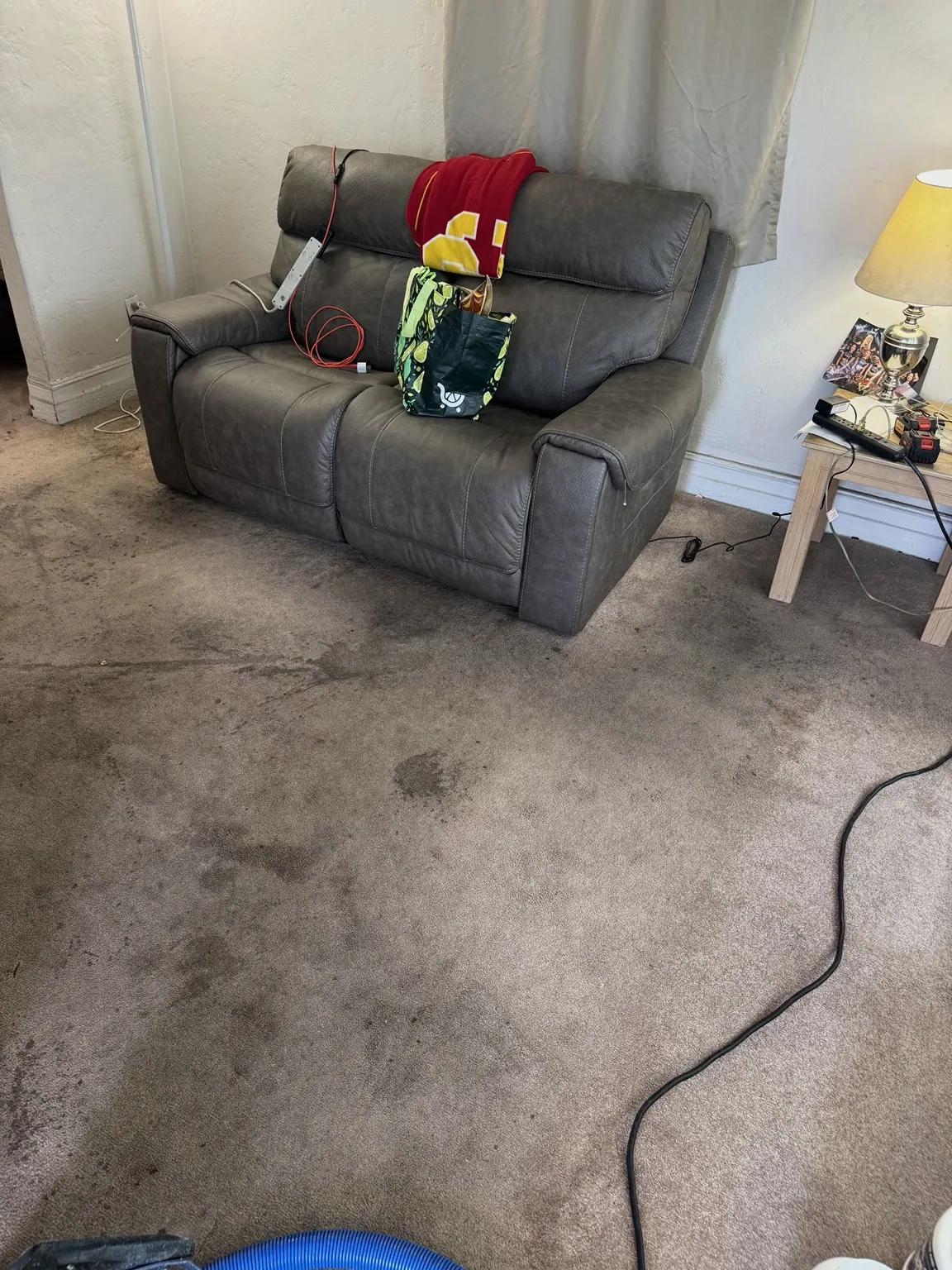
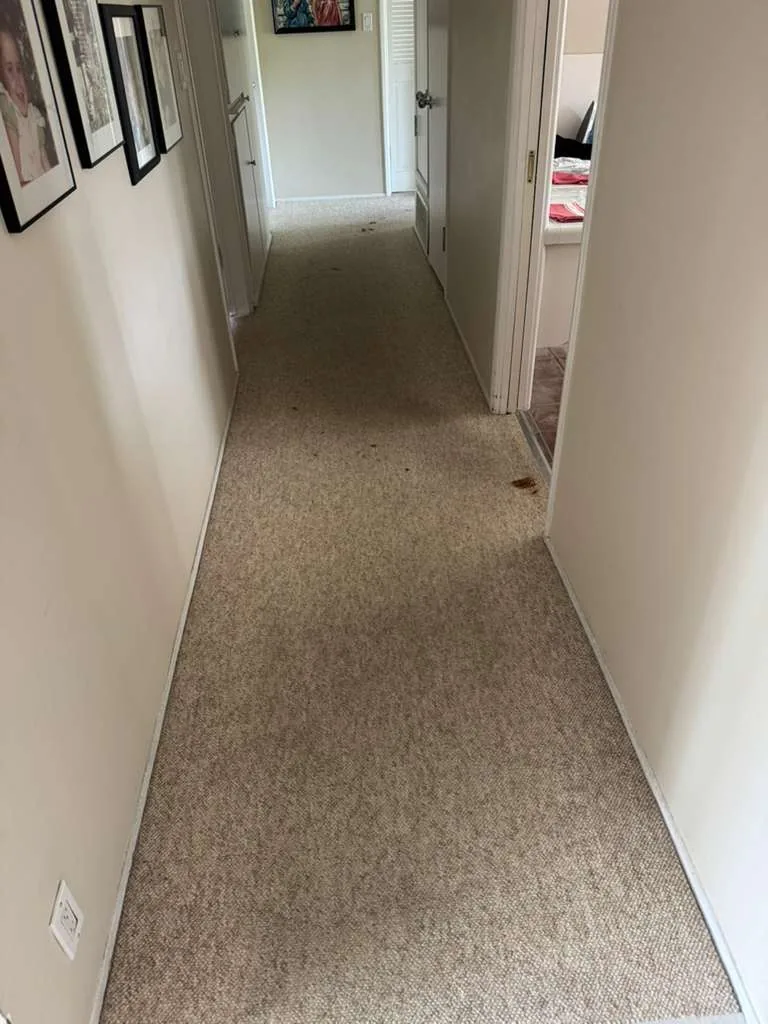
Recent Go4Cleaning work
Photos from Go4Cleaning jobs, taken by our own crew.
Common questions
Is either fibre waterproof against dog accidents?
No. Carpet fibre alone never stops urine reaching the backing and pad. A moisture-barrier pad is what limits that.
Should carpet protector be reapplied after cleaning?
On nylon it is worth it, because cleaning gradually removes the factory treatment. It is optional on polyester, which is inherently stain resistant.
Want this handled properly?
Call or text (866) 631-2244 for a straightforward quote, or send photos with your request.
Cleaning appointments 8:00 a.m. – 8:00 p.m. daily. Calls, messages and scheduling 24/7.