Comparisons
Steam Cleaning vs Shampooing Carpet — Which Method Suits Your Home?
The names are marketing more than chemistry. What matters is how much water goes in, how much comes back out, and what is left in the fibers afterwards. Three methods, three honest trade-offs.
By Go4Cleaning Team · Updated August 26, 2026 · 5 min read
Quick answer
Hot-water extraction, shampooing and low-moisture encapsulation each have real trade-offs: extraction rinses deepest but takes longest to dry, shampooing can leave residue that re-soils fast, and encapsulation dries quickly but only maintains rather than restores. The right choice depends on the fiber, soil level and how soon the space needs to be usable.
Hot-water extraction, usually called steam cleaning
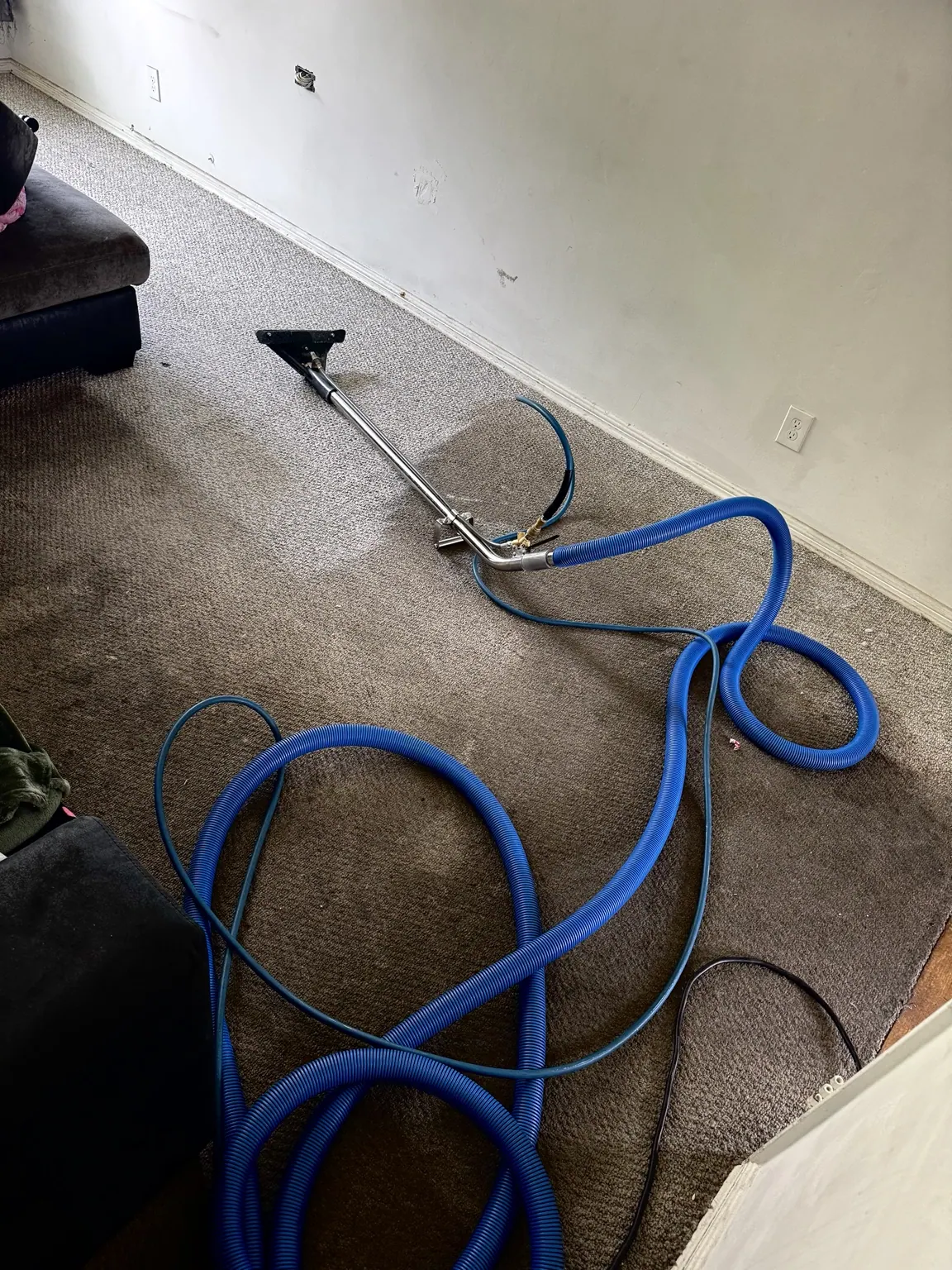
Heated solution is injected into the pile under pressure and immediately vacuumed back out along with the suspended soil. It is not literally steam — the water is hot, not vapour.
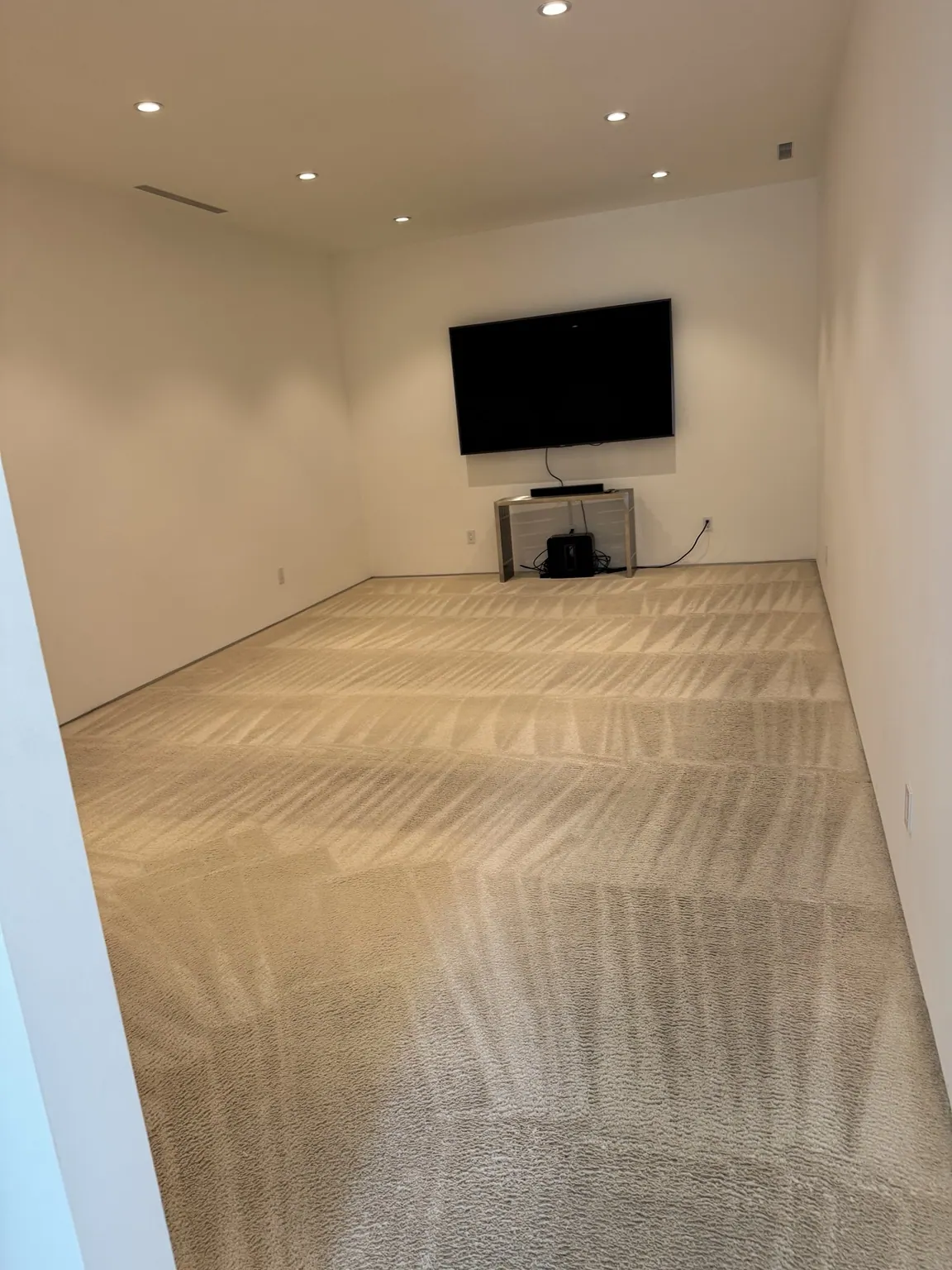
It reaches the deepest and rinses best, which is why it is the default for annual full-property carpet cleaning and for anything heavily soiled. The trade-off is dry time: a few hours with airflow, longer on a humid day.
Shampooing
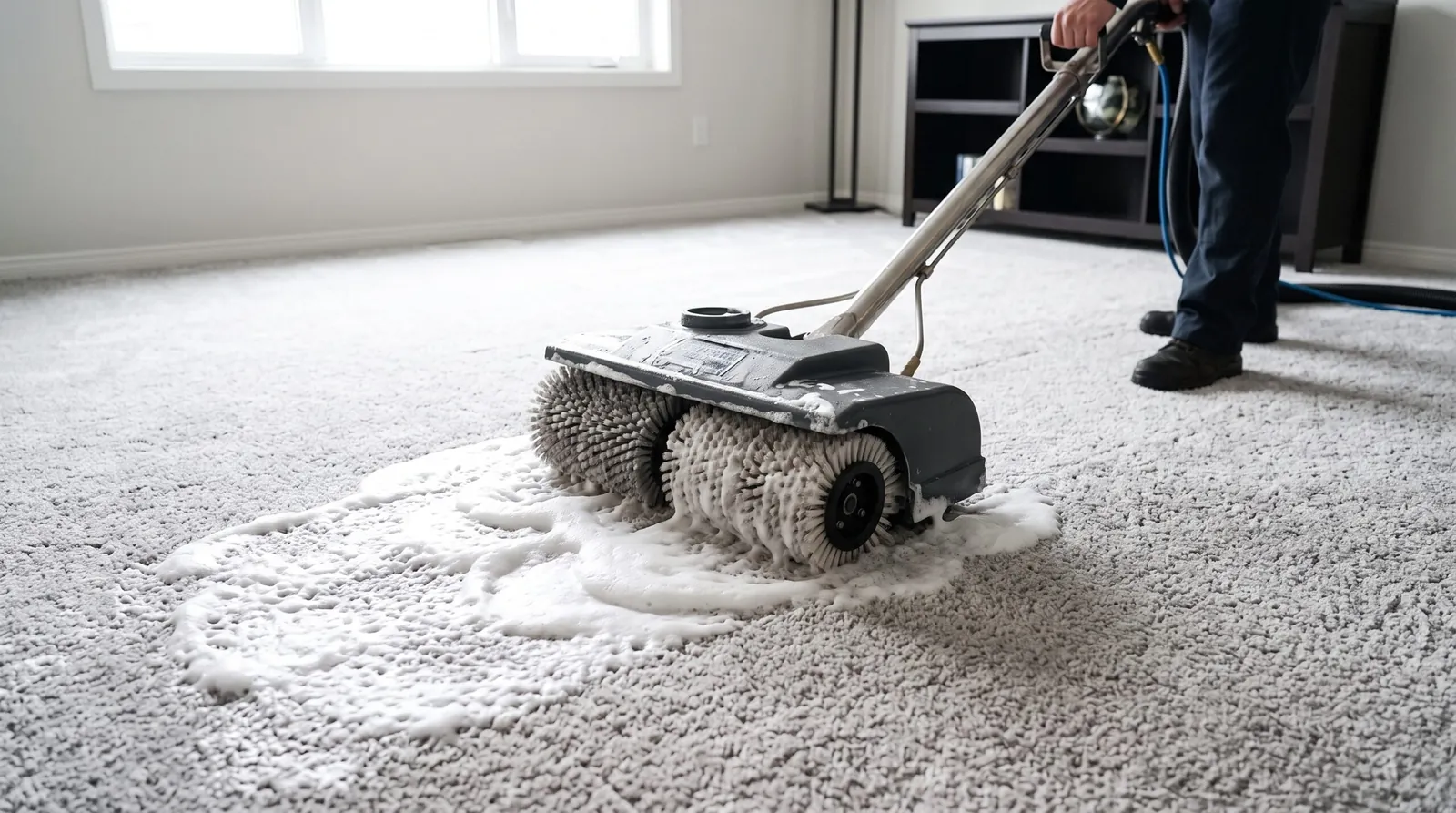
A foaming detergent is brushed into the carpet with a rotary machine, then vacuumed. It can look impressive on very soiled commercial carpet and the appearance improvement is immediate.
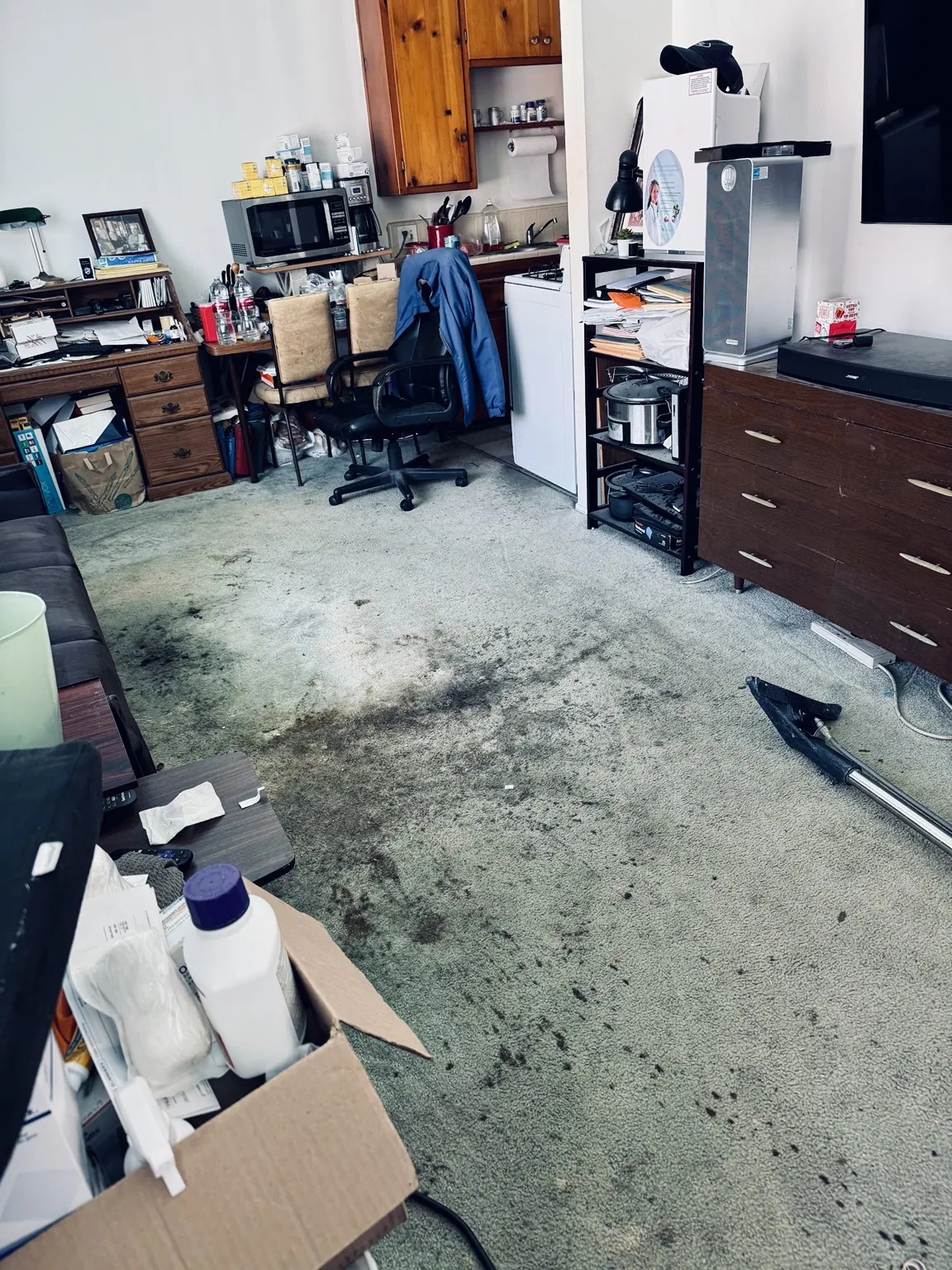
The weakness is residue. Without a thorough rinse the detergent stays in the fibers, attracts soil and the carpet greys again quickly. This is the main reason a carpet can feel sticky after cleaning.
Low-moisture encapsulation
A polymer solution is worked in, dries into brittle crystals around the soil, and is then vacuumed away over the following days. Dry times are very short — often under an hour — which makes it the practical choice for offices that cannot close.
It is a maintenance method rather than a restorative one. It does not flush the base of the pile the way extraction does, so it works best on a schedule with periodic extraction.
Choosing between them
- Annual full-property carpet clean, visible traffic lanes, pet issues — hot-water extraction.
- Office or retail that must stay open, frequent interim cleaning — encapsulation.
- Wool, silk blends and delicate constructions — extraction with wool-safe chemistry and low moisture, never aggressive rotary shampooing.
- Very heavy commercial soil — sometimes a combination, in the right order.
What matters more than the method name
Pre-treatment with dwell time, correct chemistry for the fiber, thorough recovery, grooming afterwards and fast drying. A well-executed job in either method beats a rushed job in the other one.
Ask any company which method they will use and, more usefully, how they will rinse and how long it will take to dry.
Steam and hot-water cleaning
The biggest difference is how soil is removed from the carpet fibers. Shampooing uses a detergent-based solution that is scrubbed into the carpet to loosen dirt. In some cases, a machine then pulls part of that moisture back out. It can improve appearance quickly, especially on heavily soiled areas, but it often leaves behind some residue if the carpet is not thoroughly extracted.
Despite the name, it is not just steam. The key advantage is extraction. The system is designed not only to loosen dirt, but to pull it out.
That difference affects everything that comes next — drying time, residue, softness, odor control, and how soon the carpet gets dirty again.
How shampoo carpet cleaning works
Shampoo carpet cleaning was once the standard approach for many residential jobs. A foamy or liquid cleaner is applied and agitated with a machine or brush. The scrubbing action helps separate dirt from the fibers, which can make carpet look brighter right away.
This method can be useful when appearance is the main concern and the carpet has heavy surface soil. It also works as a pre-treatment step in some professional cleaning systems. But as a stand-alone method, shampooing has a limitation that matters to most property owners: soap left behind can attract dirt.
That is why some carpets seem clean for a week or two, then start looking dingy again. The carpet was cleaned on the surface, but not fully rinsed. In homes with kids or pets, that leftover residue can also trap odors and contribute to a stiff or sticky feel underfoot.
Which method cleans better?
In most cases, steam cleaning delivers a deeper clean. It removes more soil from the carpet instead of mainly moving it around the fibers with detergent and agitation.
Shampooing can still improve appearance, especially on neglected carpet with heavy surface grime. But if the goal is to remove contaminants and not just freshen the look, hot water extraction usually wins.
The trade-off is that steam cleaning depends heavily on the equipment and the person using it. A low-powered rental machine is not the same as professional extraction equipment. If too much water is used or too little is recovered, dry times can stretch out and odors can develop. Done properly, though, steam cleaning is the more effective long-term option.
Drying and residue
Drying time is one of the biggest concerns for busy households and commercial spaces. Shampooing can sometimes leave carpet wetter than expected because of the amount of product used and the limited rinsing power of some machines. Steam cleaning also uses moisture, but professional extraction equipment removes much more of it during the process.
In real-world conditions, professionally steam-cleaned carpet often dries within several hours, depending on airflow, humidity, carpet thickness, and how heavily soiled the carpet was. Shampooed carpet may dry unevenly if excess detergent and moisture remain in the fibers.
Los Angeles homes often benefit from faster drying conditions than more humid regions, but that does not eliminate the need for proper extraction. Good airflow, open windows when appropriate, and HVAC circulation all help, but the cleaning method still matters.
Related service
Carpet cleaningFamily-owned, based in Beverly Hills, serving Los Angeles County and approved Orange County communities.
Recent Go4Cleaning work
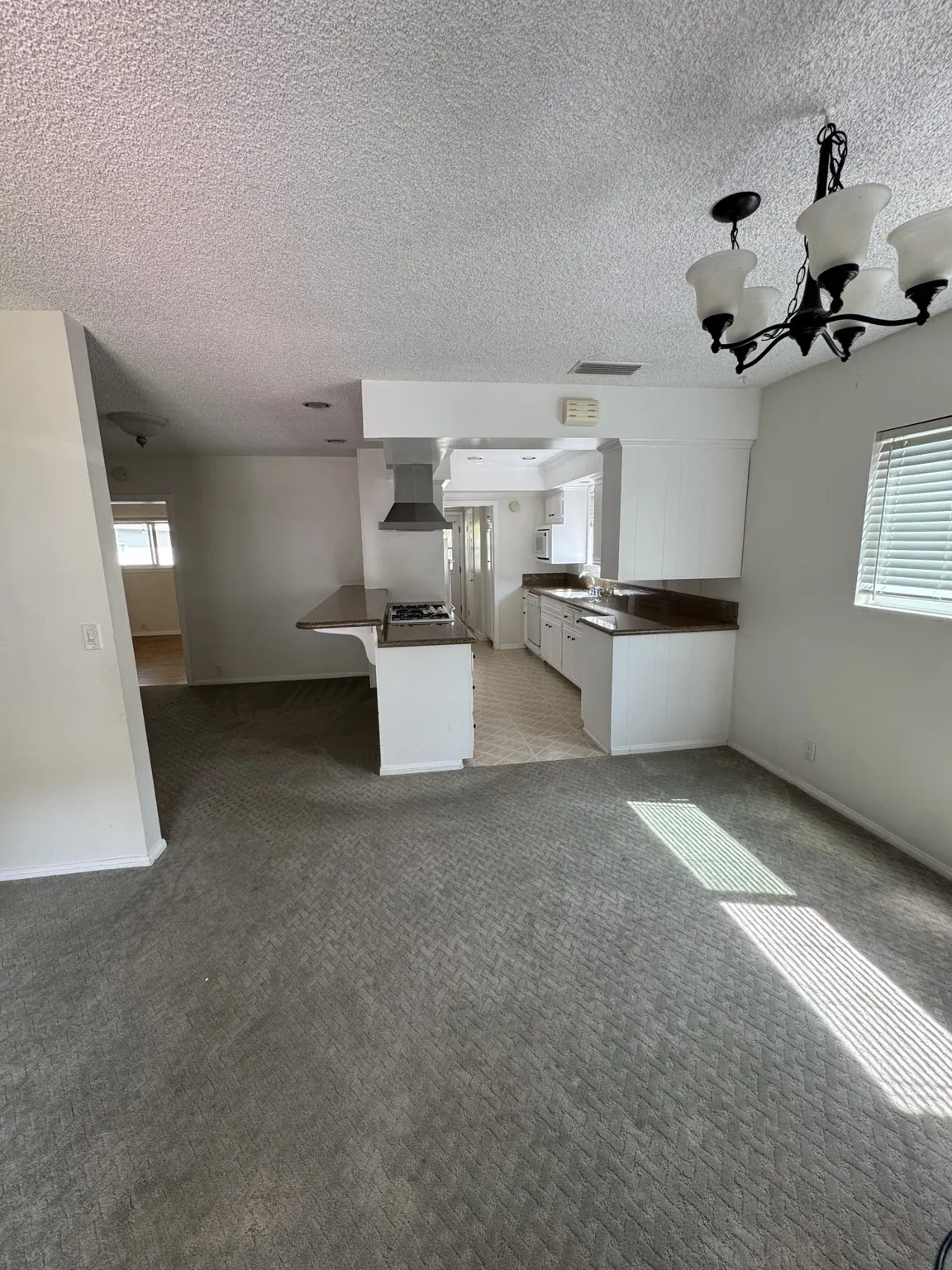
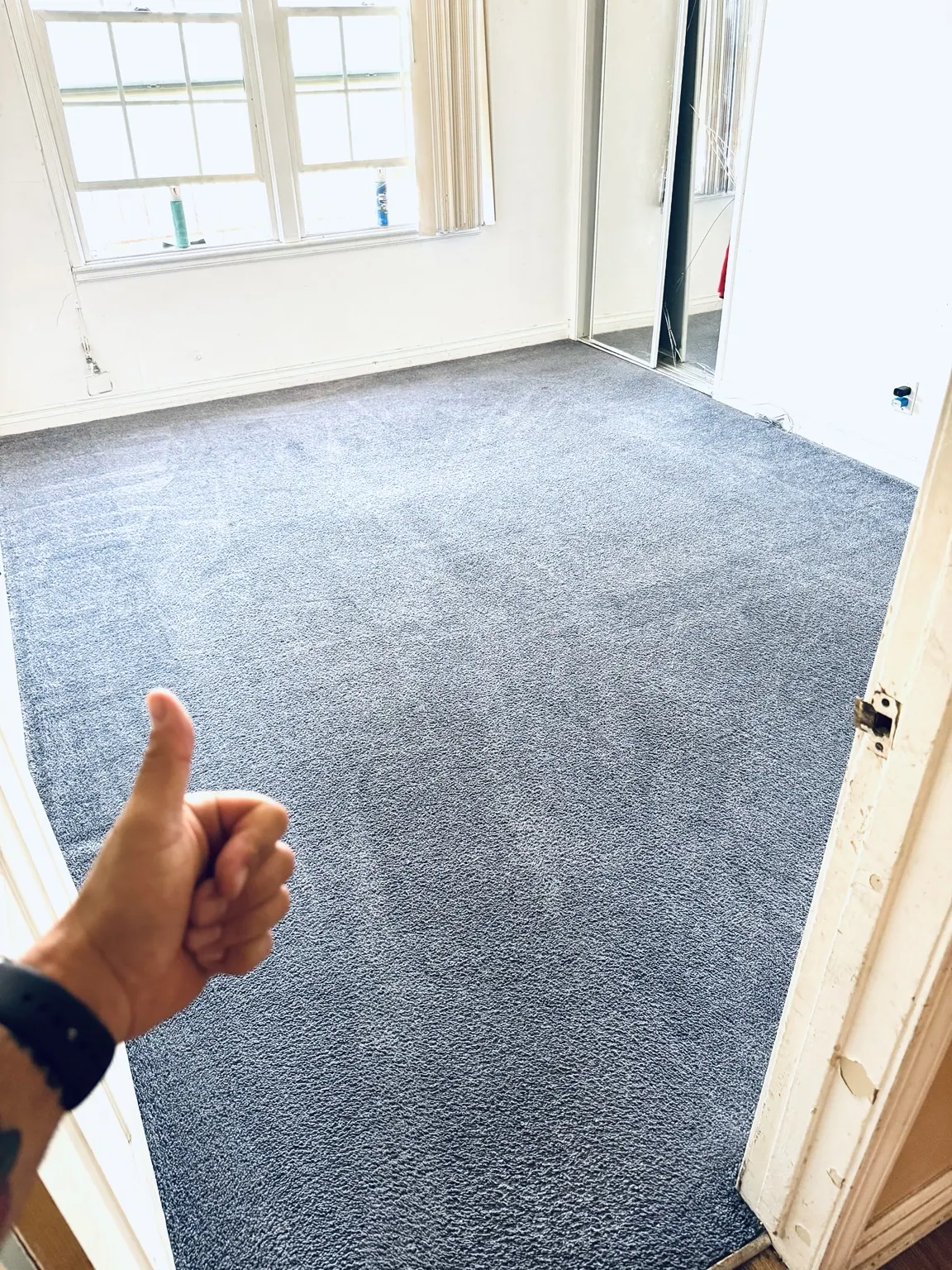
Photos from Go4Cleaning jobs, taken by our own crew.
Common questions
Is steam cleaning safe for wool carpet?
Yes, with wool-safe pH chemistry, controlled moisture and careful drying. Strong alkaline products are what damage wool.
Which method dries fastest?
Encapsulation, typically under an hour. Hot-water extraction usually takes a few hours with airflow.
Why did my carpet get dirty again so fast?
Almost always detergent residue left in the fibers from a method that did not rinse properly.
Want this handled properly?
Call or text (866) 631-2244 for a straightforward quote, or send photos with your request.
Cleaning appointments 8:00 a.m. – 8:00 p.m. daily. Calls, messages and scheduling 24/7.