
Upholstery care
How to Get Rid of a Musty Couch Smell
A musty sofa is almost always a moisture story. Coastal air, a room that never gets sun, a spill that dried slowly, or a previous cleaning that left the foam damp — the smell is the result, not the cause, which is why spraying the surface only buys a few hours.
By Go4Cleaning Team · Updated August 26, 2026 · 6 min read
Quick answer
A musty couch smell usually means moisture trapped in the cushion foam or frame, from a slow-drying spill, a wall with poor airflow, or an earlier cleaning that wasn't dried properly. Find and address the moisture source, vacuum thoroughly, ventilate the area, and if the foam has stayed damp for a long time, professional extraction with proper drying — or replacing the inserts — is usually needed rather than surface deodorizing.

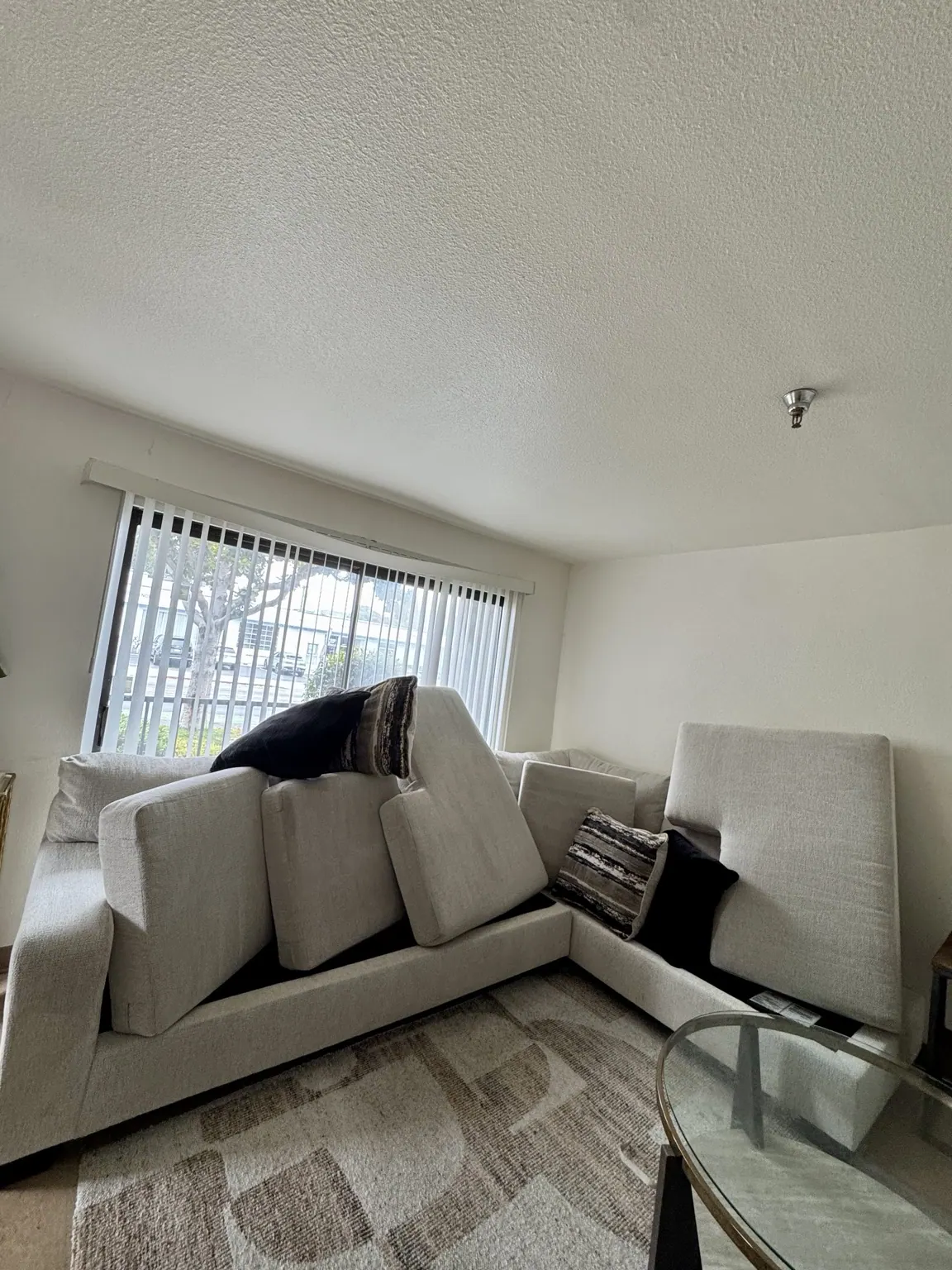
Find where the moisture is coming from
Unzip a cushion cover if you can and feel the foam. Cool and slightly heavy means moisture is still in there. Also check the underside of the frame and the floor beneath — a sofa against an exterior wall in Santa Monica or Long Beach picks up humidity that a mid-room piece never sees.
- Sofa pressed against a cold exterior wall with no airflow behind it.
- A spill that was blotted at the top but soaked into the foam.
- A previous wet cleaning that was not dried properly.
- Damp basements, garages or storage before the piece came into the house.

Home steps that genuinely help
- Move the sofa away from the wall and get air circulating behind it.
- Vacuum thoroughly, including under the cushions and along the deck.
- Sprinkle baking soda on W-code fabric, leave it several hours, then vacuum it out completely.
- Run a fan or dehumidifier in the room for a day or two rather than opening windows on a humid morning.
- Wash removable covers only if the label allows it — many shrink and never fit again.
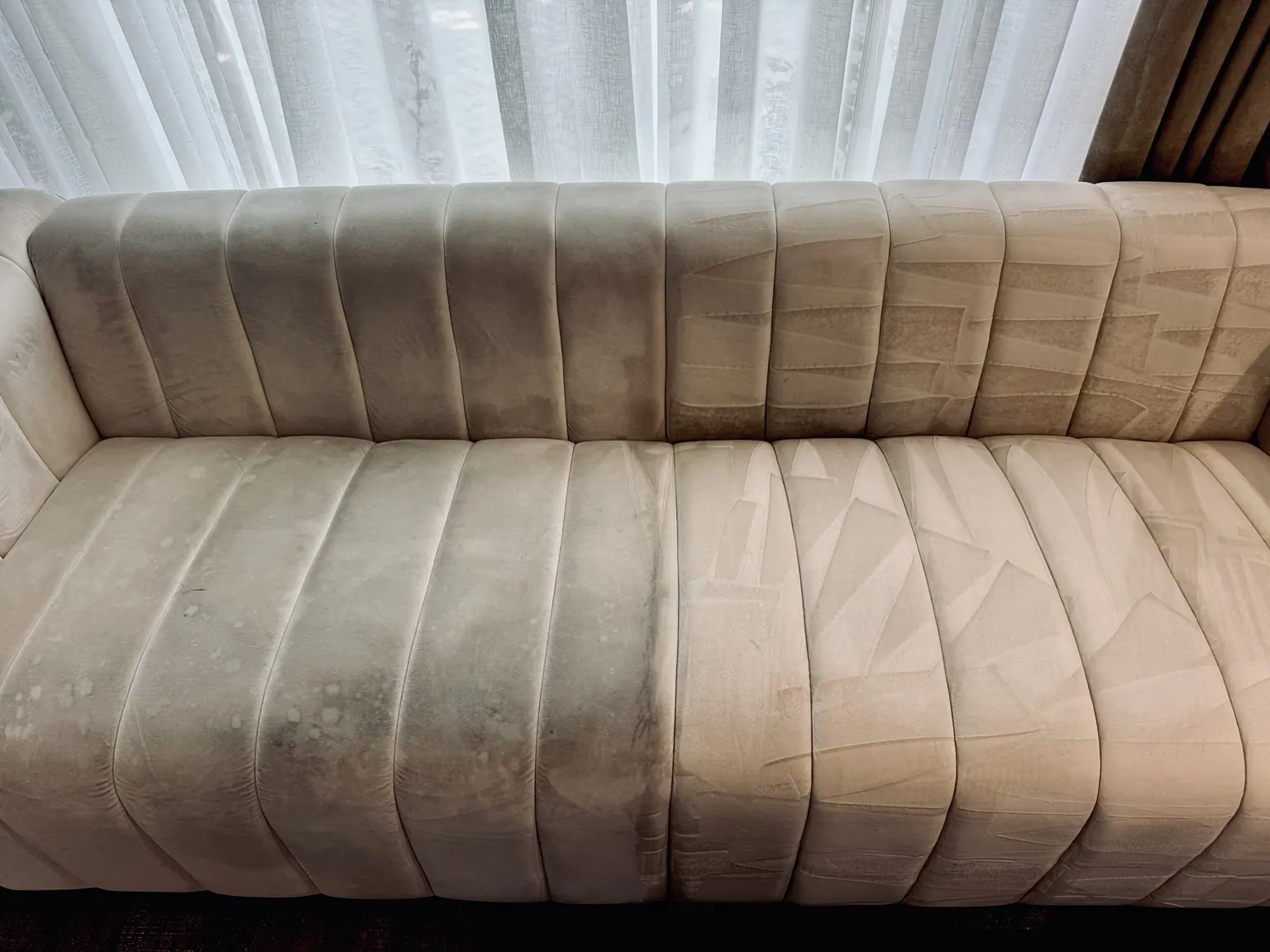
Why fabric spray makes it worse
Odour sprays add moisture and fragrance on top of a damp cushion. Once the fragrance fades, you have the original smell plus a slightly damper cushion than before.
The same applies to leaving a wet towel or a bowl of vinegar on the fabric overnight. Anything that adds water to a moisture problem is working against you.
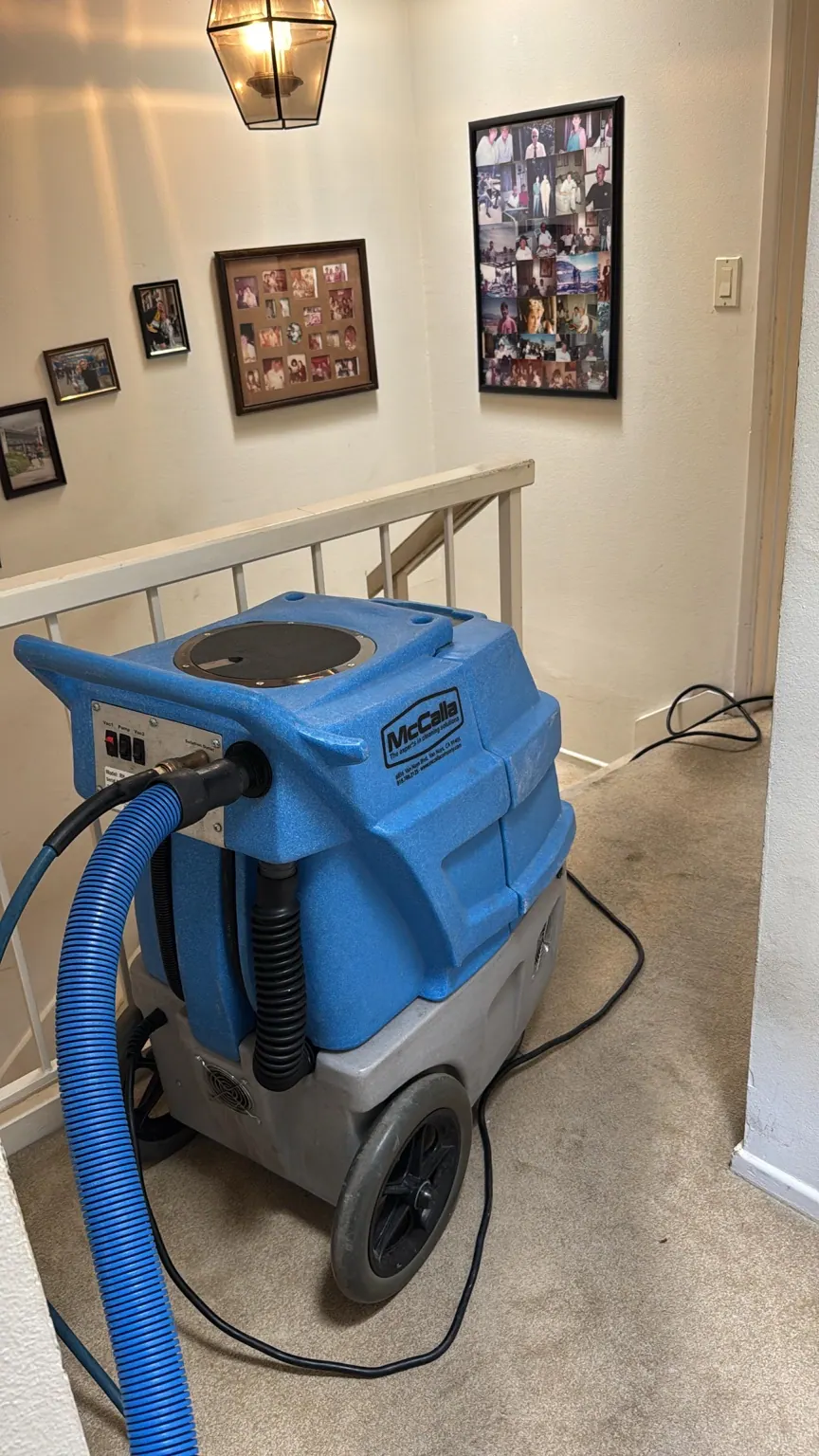
When the foam is the answer
Professional cleaning with proper extraction pulls both the residue and the water back out, and we finish with air movement so the piece dries in hours rather than days. For most musty sofas that resolves it.
If the foam itself has been wet for a long period, cleaning may not fix the smell — replacing the inserts is sometimes the realistic option. We do not make mould-remediation claims, and if we think the problem is beyond cleaning we will say so instead of selling another visit.
Keeping it from coming back
- Leave a few inches of airflow between the sofa and any exterior wall.
- Dry spills fully, with a fan, on the same day.
- Keep indoor humidity moderate in coastal homes.
- Have upholstery cleaned by someone who controls drying, not just spraying.
Background from the original guide
If you sit down on your sofa and notice a damp, stale smell, you’re probably asking yourself, “Why does my couch smell musty?” It’s a common problem, especially in Los Angeles homes where coastal air, humidity, temperature changes, and daily use can all affect upholstered furniture.
The good news is that a musty couch smell is usually fixable. Once you identify the source, you can often remove the odor and make your sofa smell fresh again.
Why Your Couch Smells Musty
A musty odor is usually a sign that moisture has become trapped inside the sofa. Damp fabric and padding create an ideal environment for bacteria, mold, and mildew to grow. Even when you can’t see the problem, your nose often detects it first.
Common Causes
Hidden moisture: Spills from water, coffee, or other liquids can soak deep into the cushions. If the interior doesn’t dry completely, odor develops over time.
High humidity and poor airflow: Homes with limited ventilation tend to hold more moisture, which can encourage mildew growth inside upholstery.
Mold or mildew: Damp, dark areas inside a couch are perfect places for mold spores to multiply.
Dust, dirt, and pet hair buildup: Organic debris trapped in the fabric can break down and create unpleasant odors.
Old stains or smoke exposure: Past spills, cooking smoke, or candle smoke can linger in the fibers and become more noticeable in humid conditions.
Vacuuming safely
Remove cushions if possible and vacuum every surface, including seams and crevices. This removes loose dirt, dust, pet hair, and odor-causing debris.
4. Increase Airflow
Open windows, run fans, and improve ventilation around the sofa. If the cushions are removable, place them in a bright, airy spot until they are completely dry.
5. Try Activated Charcoal
Activated charcoal bags placed under or behind the sofa can absorb lingering odors, especially in humid rooms.
Steam and hot-water cleaning
If the smell seems embedded deep in the cushions, steam cleaning may be more effective than surface cleaning. Steam can loosen grime and help reduce bacteria and odor inside the upholstery.
However, excessive moisture can make the problem worse if the sofa does not dry fully. For expensive, delicate, or heavily affected furniture, professional cleaning is often the safest option.
Why Regular Sofa Cleaning Matters
Over time, this buildup can create odors and shorten the life of the upholstery. Routine cleaning helps maintain both the appearance of the furniture and the freshness of your home.
How to Prevent Musty Couch Odors
Leave a small gap between the sofa and the wall to improve airflow.
Blot spills immediately before moisture reaches the cushion core.
Schedule professional upholstery cleaning once or twice a year, especially in homes with pets, children, or heavy furniture use.
When to call a professional
You suspect mold or mildew inside the cushions
At Go4Cleaning, we provide professional upholstery and carpet cleaning throughout Los Angeles using equipment and cleaning products chosen for the fabric to remove embedded soil and odor sources without damaging delicate materials such as microfiber.
Don’t Forget Other Upholstered Surfaces
The same moisture and odor issues can affect chairs, rugs, carpets, and other upholstered furniture. If multiple items smell musty, cleaning them together often produces the best overall improvement in indoor freshness.
Related service
Upholstery cleaningFamily-owned, based in Beverly Hills, serving Los Angeles County and approved Orange County communities.
Recent Go4Cleaning work
Photos from Go4Cleaning jobs, taken by our own crew.
Common questions
How long does baking soda need to sit?
A few hours minimum, overnight if the smell is strong. It must be fully vacuumed out or it turns pasty the next time the fabric gets damp.
How quickly does a professionally cleaned sofa dry?
With proper extraction and air movement, typically a few hours. If a cleaner leaves your sofa wet overnight, that is the practice that causes musty smells in the first place.
Want this handled properly?
Call or text (866) 631-2244 for a straightforward quote, or send photos with your request.
Cleaning appointments 8:00 a.m. – 8:00 p.m. daily. Calls, messages and scheduling 24/7.