Upholstery care
How to Clean White Upholstery That Has Yellowed
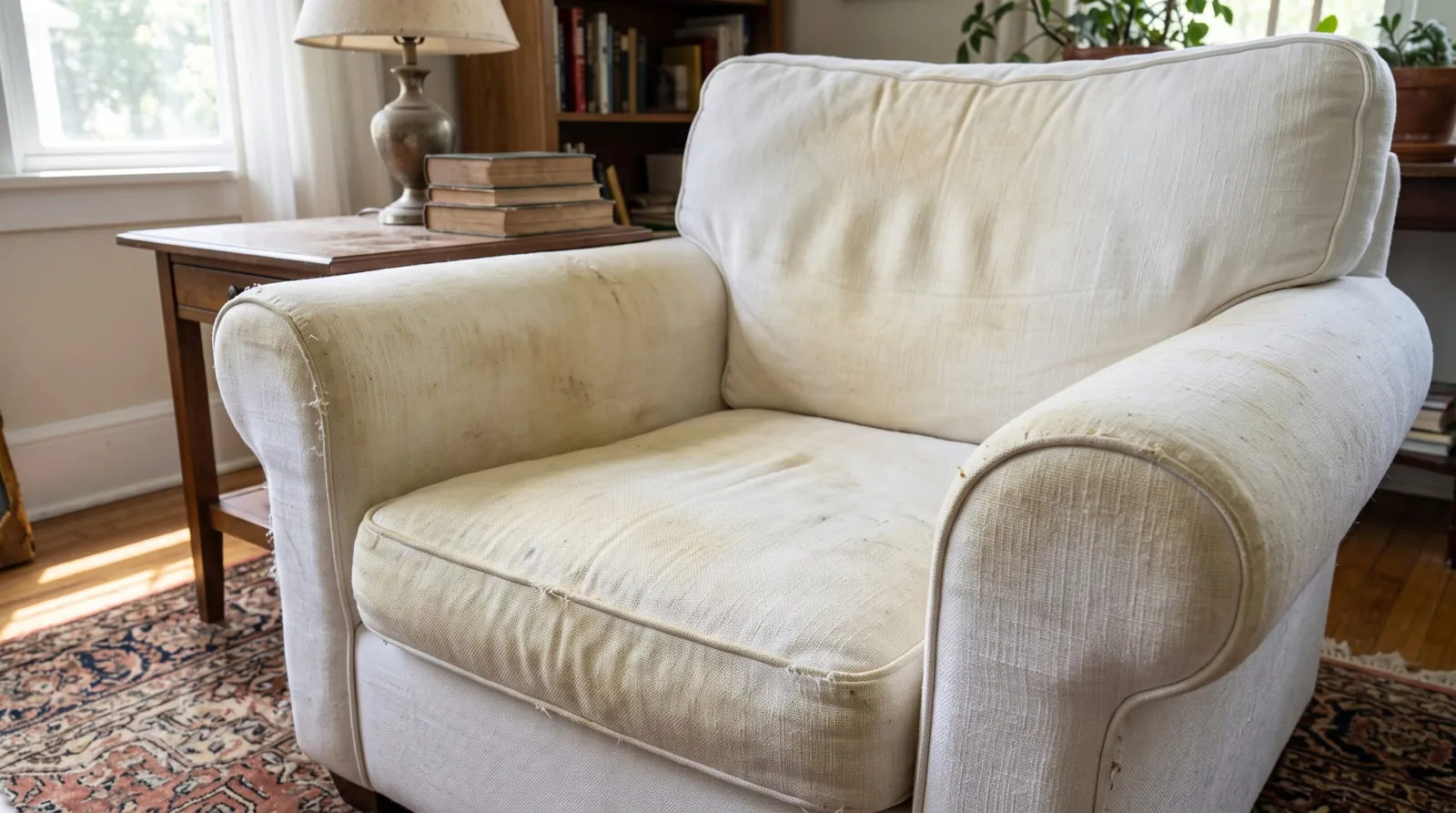
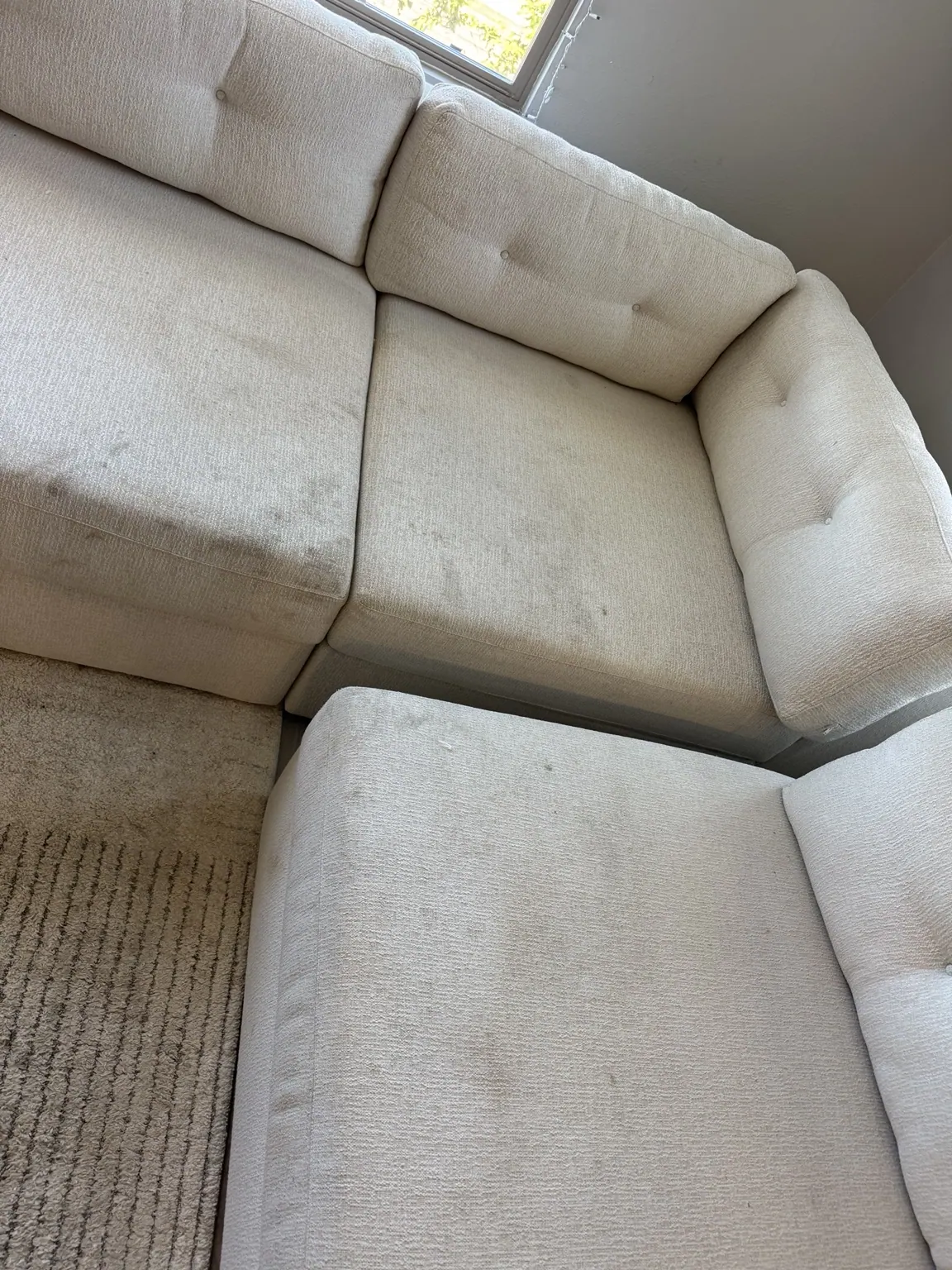
White upholstery rarely goes dirty first — it goes dull, then faintly yellow, usually in the places nobody touches. That colour shift is a chemistry problem more than a soil problem, which is why scrubbing harder tends to make it worse.
By Go4Cleaning Team · Updated August 26, 2026 · 6 min read
Quick answer
Yellowing on white upholstery is usually oxidation from sunlight, body oils and age rather than dirt, so scrubbing or applying bleach-type products often makes it worse. Check the fabric's cleaning code, use a cleaner made for that fabric type on a hidden spot first, then have it professionally cleaned if residue-based dulling is the main issue rather than true fiber oxidation.
Why white fabric yellows in the first place
Yellowing is usually oxidation. Sunlight, body oils, airborne cooking residue and time all break down the finish on white fibres, and some optical brighteners used at the factory fade unevenly as they age.
In coastal Los Angeles homes there is a second cause: humidity holding fine residue in the fibre for longer, so cushions that face a window discolour faster than the rest of the piece.
Read the cleaning code before anything else
The tag under the cushion tells you what the fabric can tolerate. Ignoring it is the fastest way to turn a colour problem into a texture problem.
- W — water-based cleaners are acceptable.
- S — solvent only; water will likely leave rings.
- WS — either, but test first.
- X — vacuum only; no liquid cleaning at home.
What is safe to try at home
Household bleach, hydrogen peroxide and oxygen boosters are where most white sofas get ruined. They can strip the fibre unevenly and leave a patch that is brighter than the surrounding fabric — a defect that cannot be cleaned back out.
- Vacuum thoroughly with an upholstery tool, including seams and under cushions.
- Test any product on a hidden seam and let it dry fully before judging the result.
- On W or WS fabric, use a small amount of pH-neutral upholstery cleaner on a white cloth — never coloured cloths, which can transfer dye.
- Blot, do not scrub. Scrubbing distorts the nap and can leave a permanently rougher patch.
- Dry the area quickly with airflow so moisture does not carry residue back to the surface as a ring.
What professional cleaning realistically changes
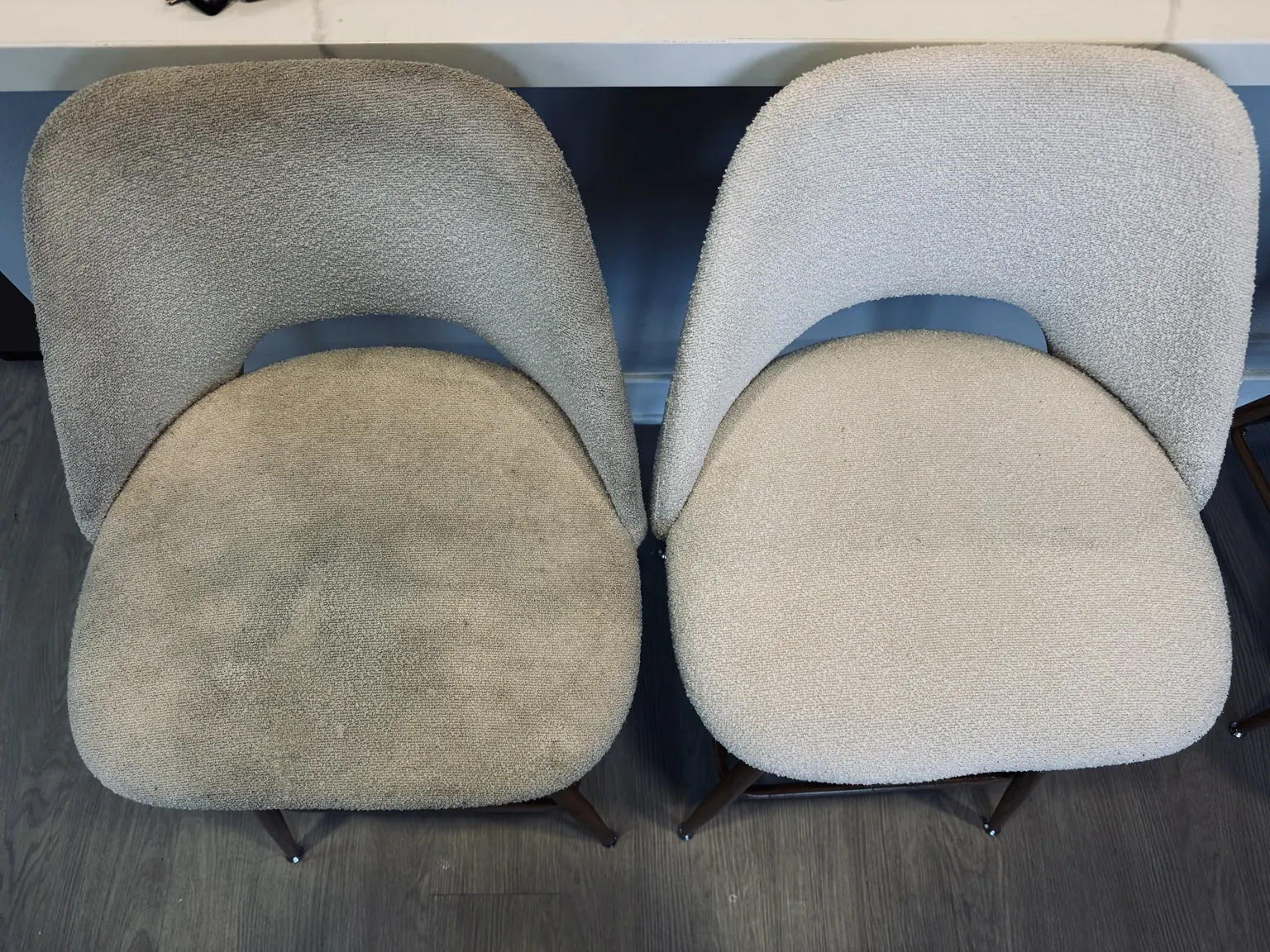
A proper upholstery clean removes the oils and residue that are sitting in the fibre and causing part of the dullness. On many pieces that alone lifts the colour noticeably.
Oxidation of the fibre itself is different. If the material has chemically changed, no cleaning brings the original white back, and we will tell you that before we start rather than after you have paid.
Keeping white upholstery white for longer
- Rotate and flip cushions so light exposure and wear stay even.
- Keep pieces out of direct afternoon sun, or use sheer shades on west-facing windows.
- Vacuum weekly — dry soil left in the fibre accelerates dulling.
- Deal with spills the day they happen; old spills are what turn into yellow rings.
Why White Upholstery Turns Yellow
Before you clean a white sofa or chair, it helps to understand why it changed color in the first place. That way, you can tackle the real problem, not just the surface.
Common causes of yellow or brown discoloration:
Body oils and sweat: Natural oils from skin and hair soak deeper into the fabric over time and attract dirt.
Dust and dirt in the living room: In Los Angeles, open windows, traffic, and air pollution send fine particles onto white furniture.
Direct sunlight: UV rays can weaken fibers, fade dye, and make light fabrics look yellow or brown.
Old cleaner residue: Using the wrong cleaner or too much soap leaves residue that can oxidize and turn yellow.
Moisture: Over-wetting fabric without speed drying can cause browning or water marks.
Understanding these causes helps you choose a cleaning process that actually restores brightness instead of making the fabric look worse.
Check Fabric Type Before You Clean White Upholstery
Before you learn how to clean and start mixing a cleaning solution, look for the care tag on your upholstered furniture. It might be under a cushion, on the slipcover, or on the frame.
W: You can wet clean with water-based products.
X: Vacuum only — call a professional for anything more.
Cotton or linen: Beautiful, but can shrink or weaken with rough scrubbing.
Microfiber: Often easy-to-clean, but can water spot if you soak it.
Blends (polyester, rayon, etc.): Usually sturdy, but always test a small area first.
If the tag is missing or confusing, always test your cleaning solution on a hidden spot with a clean cloth or sponge first. If the color lifts, the spot turns yellow or brown, or the fibers roughen, stop and consider professional cleaning.
Prep Steps: Before You Tackle Yellow Upholstery
Take a few minutes to prep your white furniture. It makes a big difference.
Vacuuming safely
Use the upholstery tool on your vacuum to pull dust and dirt out of the cushion seams, arms, and entire surface.
This keeps grit from rubbing deeper into the fabric while you clean.
2. Remove and wash slipcovers if allowed
If your slipcovers are machine washable, follow the tag instructions.
3. Handle fresh spots first
If you see a specific stain (like red wine or coffee), gently blot it with a damp cloth before you work on overall yellowing.
Do not scrub hard, which can push it deeper into the fabric.
Step-by-Step: How To Clean a White Couch That Has Yellowed
This simple, water-based cleaning solution works on most W or W/S fabrics. If your tag says S or X, skip to the section about solvent and when to call a professional.
Mix a Gentle Cleaning Solution
A few drops of mild dish soap or cotton shampoo
Stir gently. You want light foam, not a thick soap layer that will leave residue.
Clean in Sections
Dampen your cloth or sponge Use a cloth or sponge (tool) and dip it into the cleaning solution. Wring it out well. The goal is to dampen the fabric, not soak it.
Use a cloth or sponge (tool) and dip it into the cleaning solution.
Wring it out well. The goal is to dampen the fabric, not soak it.
Work in a circular motion Gently scrub the fabric in a circular motion on one small section at a time. Pay attention to arms, headrests, and the front of each cushion where body oils usually collect.
Gently scrub the fabric in a circular motion on one small section at a time.
Gently blot and rinse Use a clean, slightly damp cloth with plain clean water to lightly rinse each cleaned area. Gently blot instead of scrubbing hard so you do not weaken the fibers or drive moisture deeper into the foam under the cushion.
Use a clean, slightly damp cloth with plain clean water to lightly rinse each cleaned area.
Gently blot instead of scrubbing hard so you do not weaken the fibers or drive moisture deeper into the foam under the cushion.
Blot with a dry towel to pull out moisture. Avoid direct sunlight on wet fabric, which can cause new yellowing or fading.
Blot with a dry towel to pull out moisture.
Repeat on the entire surface of the couch or chair until everything looks evenly cleaned.
Treating spills and stains
Sometimes you have both overall yellowing and specific stains. Here is how to handle some trouble spots safely.
Related service
Upholstery cleaningFamily-owned, based in Beverly Hills, serving Los Angeles County and approved Orange County communities.
Recent Go4Cleaning work
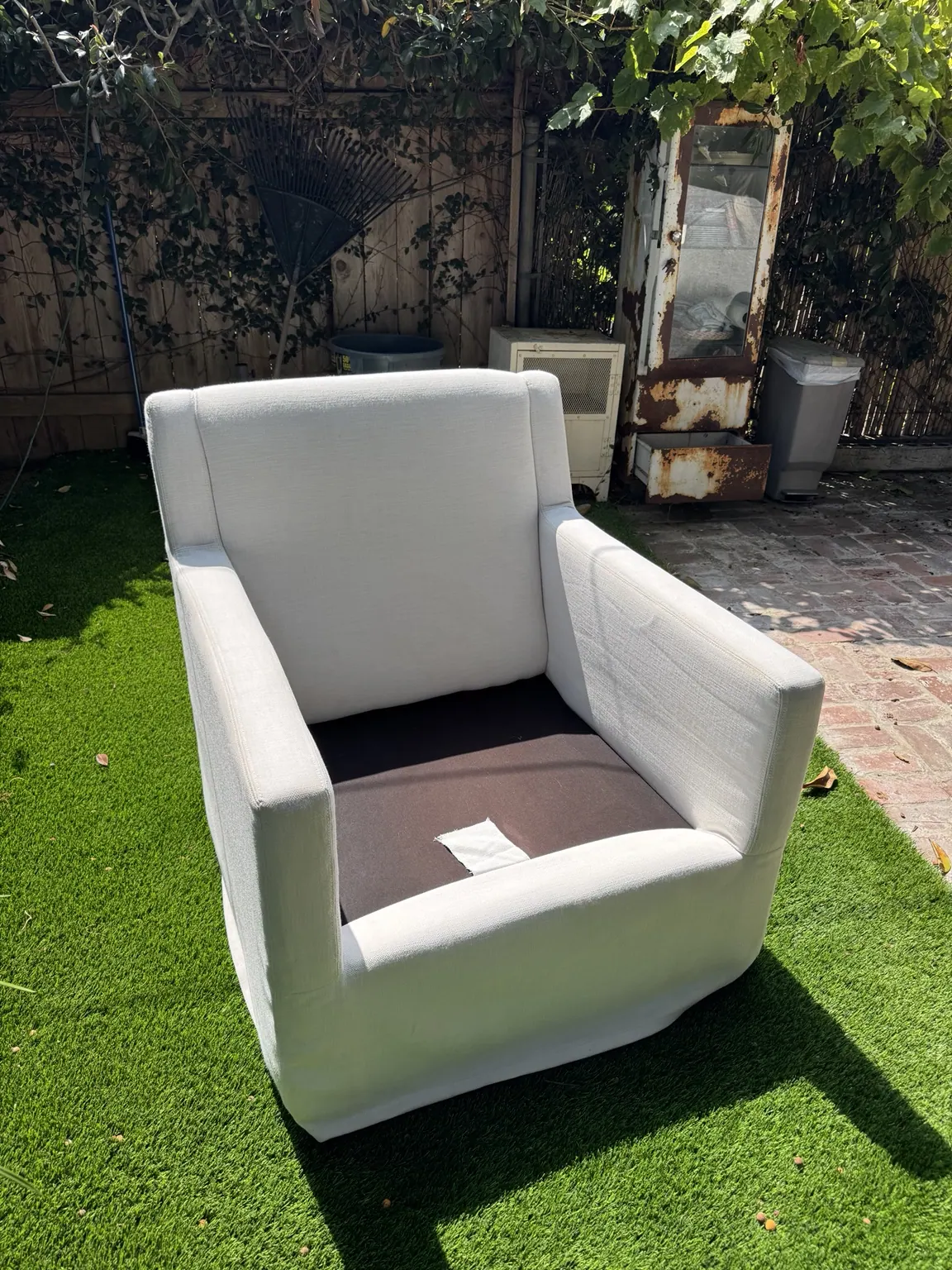
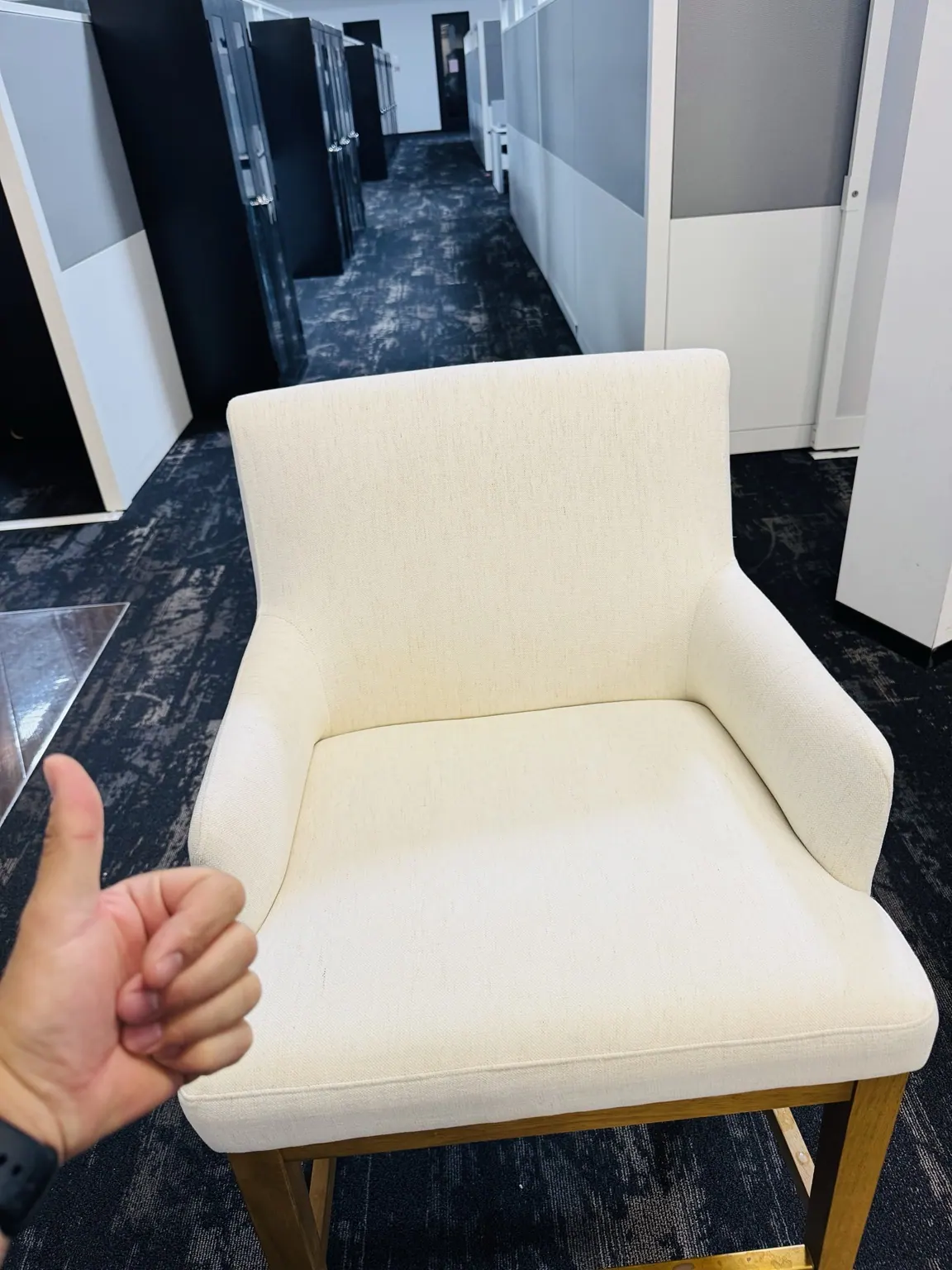
Photos from Go4Cleaning jobs, taken by our own crew.
Common questions
Can yellowing be fully reversed?
Sometimes. Residue-based yellowing usually improves a lot with cleaning. Fibre oxidation from sun and age generally does not reverse, and we will say so on site.
Is baking soda safe on white upholstery?
As a dry deodoriser on a W-code fabric it is generally low risk, but it must be vacuumed out completely. It does not address yellowing.
Want this handled properly?
Call or text (866) 631-2244 for a straightforward quote, or send photos with your request.
Cleaning appointments 8:00 a.m. – 8:00 p.m. daily. Calls, messages and scheduling 24/7.