Upholstery care
How to Clean Chenille Upholstery Without Crushing the Nap
Chenille gets its depth from thousands of short tufted fibres standing upright. Wet them too heavily, press them the wrong way, or dry them slowly, and they lie down — sometimes for good. The fabric is not stained at that point — it is crushed, and it reads as a dark patch from across the room.
By Go4Cleaning Team · Updated August 26, 2026 · 10 min read
Quick answer
Clean chenille by vacuuming with the nap first, then using minimal moisture only if the fabric's cleaning code allows it, blotting gently in one direction rather than scrubbing. Heavy water, scrubbing or fast heat drying flattens the pile; light crushing can often be lifted again once the fabric is fully dry, but severe or repeated crushing may not recover, so when in doubt use a professional low-moisture service instead of a home wet-clean.
Crushing and staining look the same from a distance
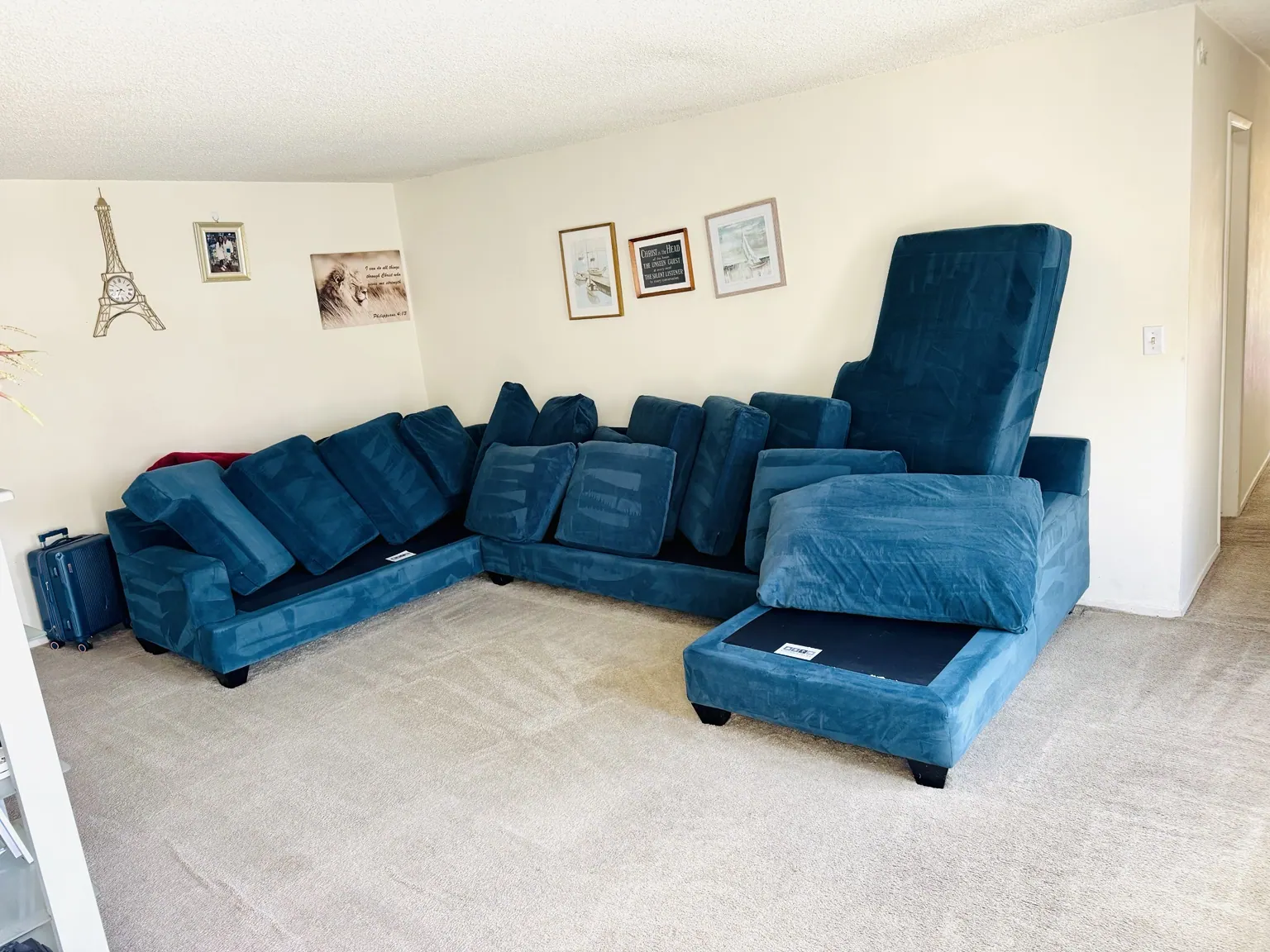
Before you treat anything, look at the area from two angles. A stain looks the same from both. Crushed pile changes shade as you move, because you are seeing light reflect off fibres lying in different directions.
Treating crushed pile with more cleaner just adds moisture to the problem.
Dry work comes first
- Vacuum with an upholstery tool and low suction, moving in the direction of the nap.
- Use a soft brush to lift the pile before any liquid touches it.
- Remove dry crumbs and pet hair completely — anything left behind turns into a paste once damp.
If the code allows liquid, use as little as possible
Check the cleaning code first. On W or WS chenille, work with a barely damp white cloth and a pH-neutral cleaner, blotting in one direction rather than circling.
Never saturate the cushion. Water that reaches the foam takes days to leave and often brings residue back up as a ring when it evaporates.
- Test on a hidden seam and let it dry completely first.
- Blot with the nap, not against it.
- Dry with a fan; slow drying is what sets the flattened look.
- Brush the pile back up gently while the fabric is still slightly damp.
How we approach chenille
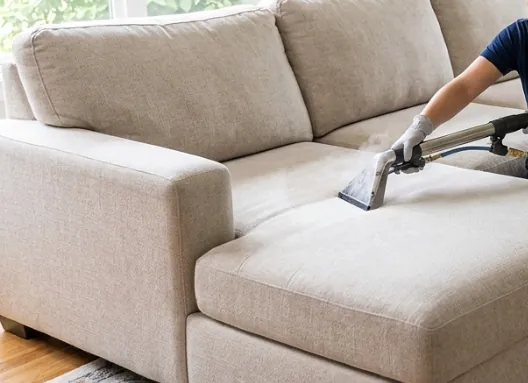
For chenille we generally use a low-moisture method with controlled dwell time, then groom the pile and dry it with air movement rather than heat. The goal is to remove soil without ever letting the fabric get heavy with water.
On S-code chenille we stay with solvent-based work. On X-code fabric we will decline wet cleaning entirely rather than risk the piece.
What we cannot promise
Pile that has already been crushed by heavy water, heat or long-term wear may not stand back up. Grooming and drying help, and often improve it considerably, but we do not guarantee that a matted arm or seat returns to its original texture.
Background from the original guide
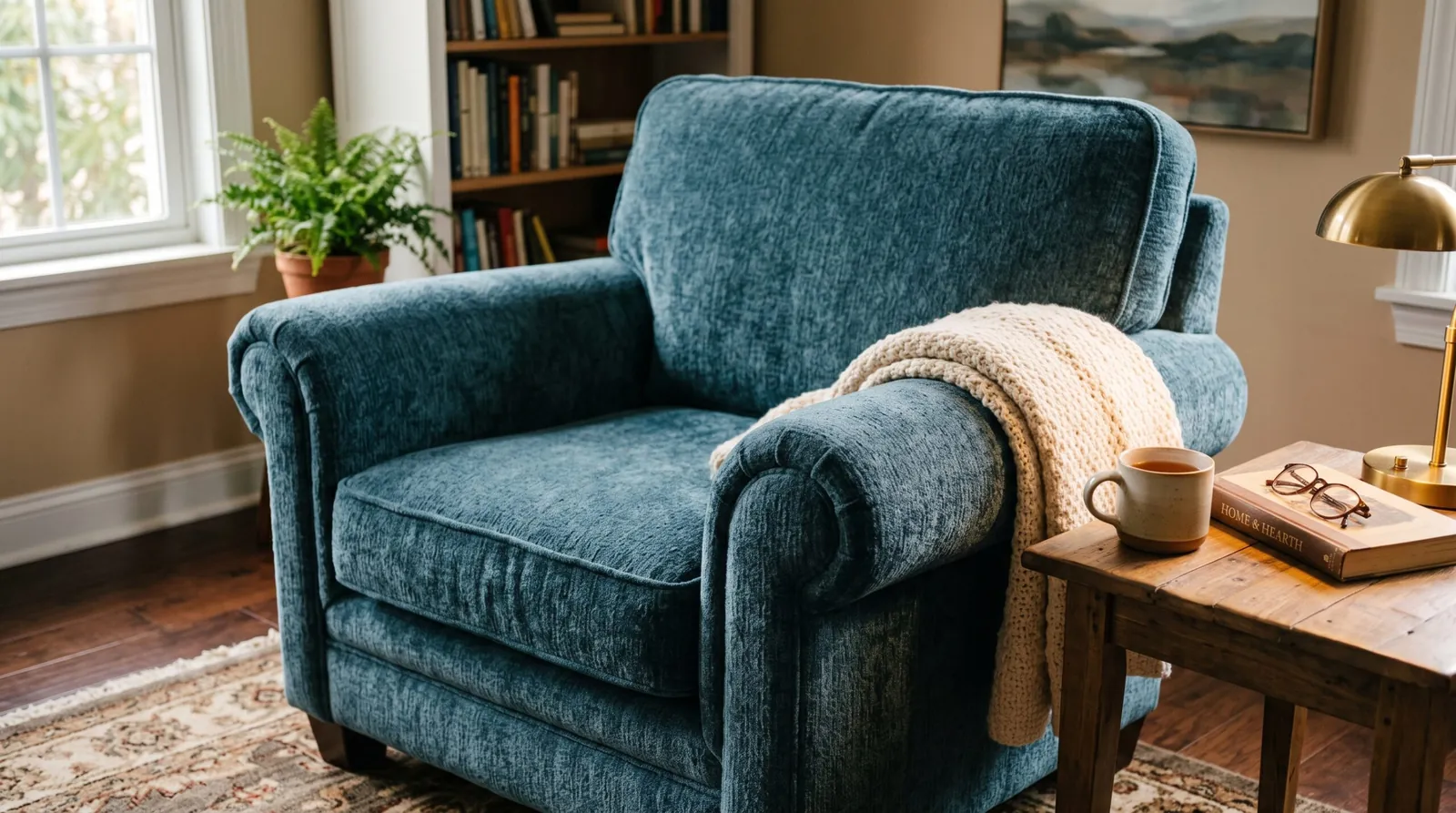
Chenille upholstery has a luxurious look and incredibly soft feel, but that plush texture can make even a small spill feel like a major problem. Its soft, velvety loops create its signature appearance, yet they can also be easily flattened or damaged by excessive moisture, harsh cleaners, or aggressive scrubbing.
The good news is that with the right technique, you can safely maintain and clean chenille upholstery at home while protecting its delicate texture.
Why this fabric needs extra care
The word chenille comes from the French word for “caterpillar,” referring to the fabric’s fuzzy, textured appearance. Chenille is created by wrapping short fibers around a core yarn, producing the soft, raised surface that makes it so comfortable.
Chenille upholstery is commonly made from polyester, cotton, or a combination of fibers. Some fabrics may also contain acrylic or rayon. Depending on the material, chenille can absorb moisture quickly, making excessive water one of the biggest risks during cleaning.
Before applying any product, check the upholstery cleaning code located underneath a cushion or on the furniture tag. The code indicates whether your particular chenille fabric can safely be cleaned with water, solvents, or vacuuming only.
The word chenille comes from the French word for “caterpillar,” a reference to the fuzzy texture created by short fibers wrapped around a central yarn. That construction gives chenille its signature softness, but it also makes the fabric vulnerable to flattening when it becomes wet.
Chenille upholstery is commonly made from polyester, cotton, acrylic, rayon, or blends of those fibers. Because it absorbs moisture quickly, using too much water is one of the easiest ways to distort the texture.
Before cleaning, check the upholstery care tag under the cushion or frame.
Vacuuming safely
Regular vacuuming is one of the easiest ways to keep chenille furniture looking fresh. Dust, crumbs, hair, and other debris can settle between the fabric’s loops and gradually make the surface appear dull.
Use your vacuum’s upholstery attachment and avoid stiff or aggressive brushes. Work gently in the natural direction of the nap.
If you’re unsure which way the nap runs, lightly brush your hand across the fabric. One direction should feel smoother than the other. Follow that direction when vacuuming and cleaning.
Regular vacuuming is the most important part of maintaining chenille upholstery. Dust, crumbs, and debris work their way into the yarn loops and can dull the texture over time.
Use the upholstery attachment on your vacuum — never a stiff brush attachment. Always move in the direction of the nap, not against it. If you are unsure which direction the nap runs, lightly stroke the fabric with your hand and notice which direction feels smoother. Vacuum in that direction every time.
Routine vacuuming is the best thing you can do to keep chenille looking fresh. Dust and crumbs settle into the loops and gradually make the fabric appear dull.
Use the upholstery attachment on your vacuum and avoid stiff brush attachments. Vacuum gently in the direction of the nap, not against it. If you are unsure which direction that is, run your hand lightly across the fabric and notice which way feels smoothest.
Treating spills and stains
When a spill occurs, speed matters. The longer a substance remains on chenille, the greater the chance it will absorb into the fibers.
Blot immediately. Use a clean microfiber cloth to absorb as much of the spill as possible. Avoid rubbing, which can push the stain deeper and distort the fabric.
Check the cleaning code. Make sure your chenille is compatible with water-based cleaning before applying a liquid solution.
Use minimal moisture. For water-safe chenille, mix a small amount of mild soap with cool water and create a light foam.
Apply the foam, not excess liquid. Place a small amount of foam onto a soft cloth and gently work over the stained area.
Avoid aggressive brushing. Light strokes are safer than scrubbing, which can flatten the nap.
A rinse-free upholstery cleaner such as Folex may work for certain water-safe fabrics, but always follow the product directions and test any cleaner on an inconspicuous area first.
Act fast when something spills. Blot — do not rub — the area immediately with a clean microfiber cloth to absorb as much of the liquid as possible. Rubbing pushes the substance deeper into the fiber and can distort the loops.
For water-safe chenille, a small amount of mild soap diluted in cool water works well for most stains. Apply the foam from the soap mixture rather than the liquid itself, using a soft cloth or a gentle brush in light strokes. This limits how much moisture penetrates the textile.
Folex is a popular water-based upholstery cleaner that many people trust for fabric like chenille. It is gentle on fiber, rinse-free, and effective on a wide range of stains without leaving residue.
Blot the area immediately with a clean microfiber cloth.
Continue blotting until no more liquid transfers to the cloth.
For chenille labeled safe for water-based cleaning, mix a small amount of mild soap with cool water and use only the foam, not the liquid. Apply it with a soft cloth or very gentle brush using light strokes.
Many homeowners also use products such as Folex, a water-based upholstery cleaner that is designed to be low-residue and gentle on fabric fibers.
Steam and hot-water cleaning
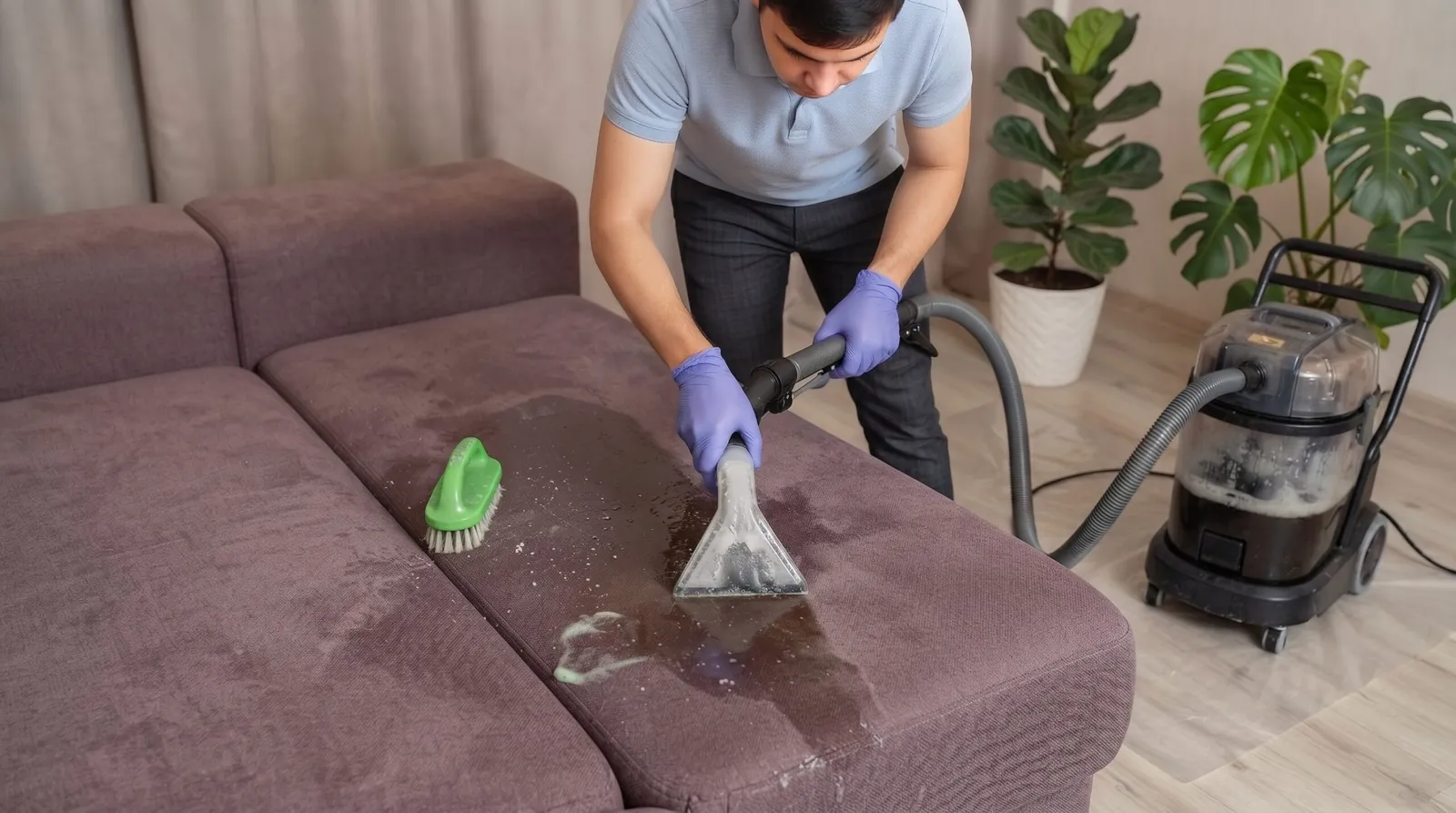
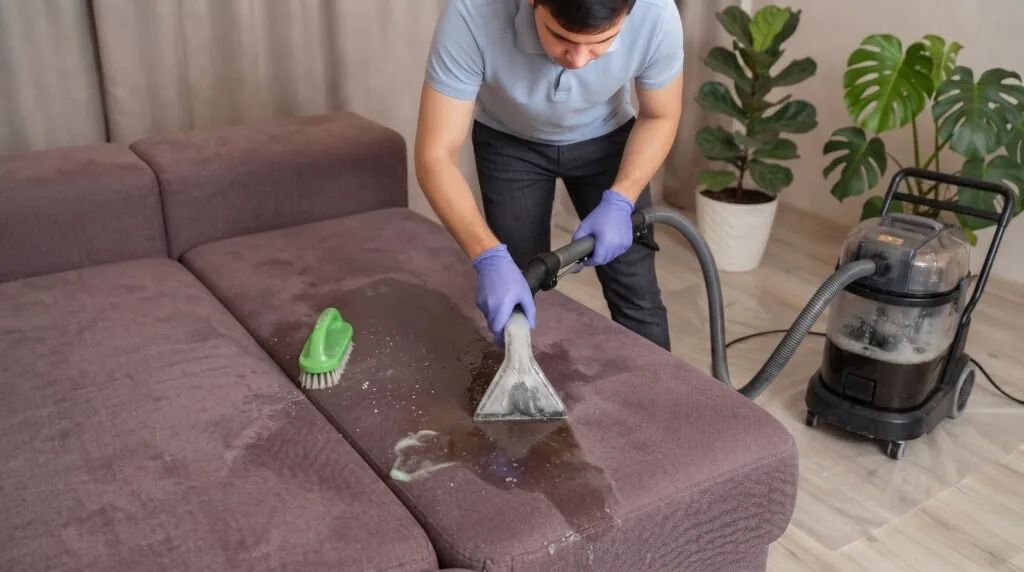
Steam cleaning chenille requires caution. High heat and excessive moisture can flatten the nap, cause shrinkage, or alter the fabric’s texture if the equipment is used too aggressively.
Light steaming from an appropriate distance may help refresh certain fabrics, but handheld steamers used directly against chenille can create problems.
Professional upholstery cleaners have equipment with adjustable pressure and temperature settings and can choose a method based on the fabric’s construction. When you’re unsure whether your chenille can safely tolerate steam, professional cleaning is the safer option.
How it compares with other fabrics
Chenille is not the only upholstery material that requires careful handling.
Cotton upholstery may tolerate water better in some cases, although it can still absorb stains quickly. Velvet also requires special care because its pile can become crushed or matted when exposed to excessive pressure or moisture.
The key is to treat each fabric according to its own cleaning requirements rather than using the same technique on every piece of furniture.
How often to clean
Chenille does not require constant deep cleaning, but regular maintenance helps prevent dirt and debris from becoming embedded in the fabric.
Immediately: Blot spills as soon as they happen.
Every 6—12 months: Schedule a deeper cleaning for normally used furniture.
Every 4—6 months: Consider more frequent cleaning if you have pets, children, or heavy daily use.
Regular maintenance can help preserve both the appearance and softness of chenille.
What to avoid
Certain cleaning methods can permanently damage chenille. Avoid the following:
Machine washing: Unless the manufacturer specifically says it is safe, machine washing can distort and crush the yarn.
Excessive water: Too much moisture can cause clumping, shrinkage, water marks, or color bleeding.
Stiff brushes: Hard bristles can flatten, snag, or damage the nap.
Harsh chemicals: Bleach and products not designed for upholstery can cause discoloration or weaken the fibers.
Aggressive scrubbing: Friction can permanently change the texture of the fabric.
Washing machine: agitation twists and crushes the yarn loops.
Excess water: can cause clumping, shrinkage, and dye bleeding.
Harsh chemicals or bleach: may discolor and weaken the fibers.
When in doubt, choose the gentlest method possible.
Restoring the nap or pile
Once the upholstery has completely dried, you may notice that the nap looks slightly flattened.
Don’t aggressively brush the fabric. Instead, gently lift the fibers with your fingertips, a clean microfiber cloth, or a very soft-bristled brush. Work slowly and follow the natural direction of the nap.
Allow the couch to dry completely before using it again.
Once the fabric is completely dry, it may look slightly flattened. Use a soft-bristled brush or a clean microfiber cloth to gently lift the fibers, brushing with the nap in smooth, light strokes.
Allow the upholstery to air dry fully before using it again.
When to call a professional
Professional upholstery cleaning is worth considering when you’re dealing with a large stain, deep-set odor, pet accidents, or a fabric with an S or X cleaning code.
Professional cleaners have specialized equipment and fabric-specific cleaning solutions that can help remove embedded soil while reducing the risk of damaging delicate chenille.
When the condition of the fabric is uncertain, professional assessment can also help prevent an inexpensive stain from becoming permanent fabric damage.
or you are unsure which cleaning method is safe.
Professionals have specialized tools and products designed for delicate upholstery fabrics and can often remove stains without damaging the nap.
Does chenille shrink when cleaned?
It can if it is over-wetted or exposed to hot water. Using cool water sparingly and allowing the fabric to air dry helps prevent shrinkage.
Drying and residue
Drying time varies, but good airflow from an open window or fan will speed the process considerably.
Is chenille suitable for homes with pets?
It can be, but pet hair tends to cling to the textured surface. Frequent vacuuming and prompt cleanup of accidents are important.
Can I use a regular fabric cleaner?
Only if the cleaner is compatible with the upholstery care code. A product safe for one fabric may damage another.
Keeping it looking good
Chenille upholstery stays attractive longest when it is treated gently. Vacuum regularly, blot spills immediately, clean with minimal moisture, and avoid harsh scrubbing. Most importantly, check the care label before using any cleaning product.
A careful, low-moisture approach will keep the nap soft, full, and plush for years to come—and when a stain is beyond simple spot cleaning, professional upholstery care is the safest way to protect your investment.
Related service
Upholstery cleaningFamily-owned, based in Beverly Hills, serving Los Angeles County and approved Orange County communities.
Recent Go4Cleaning work
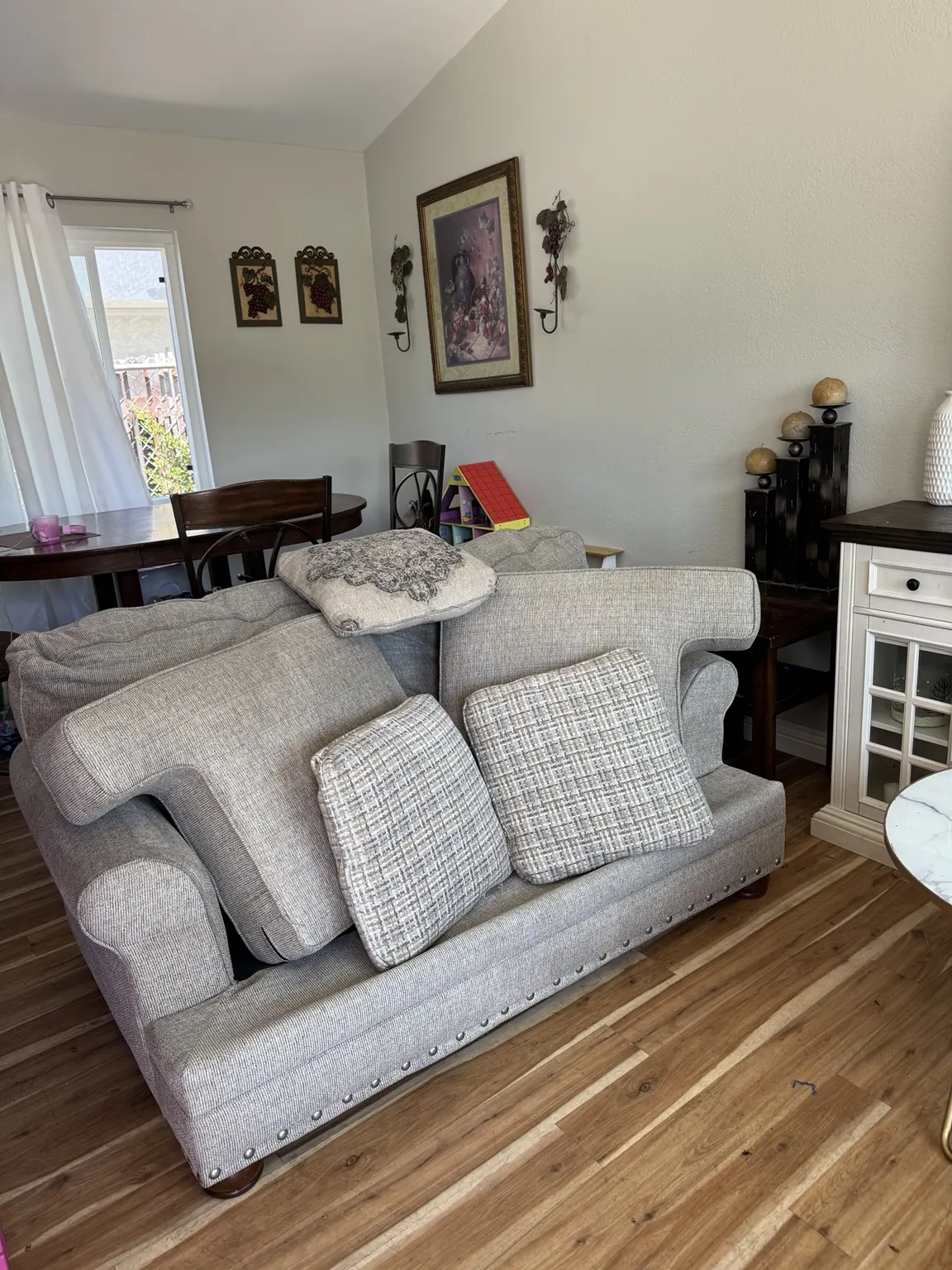
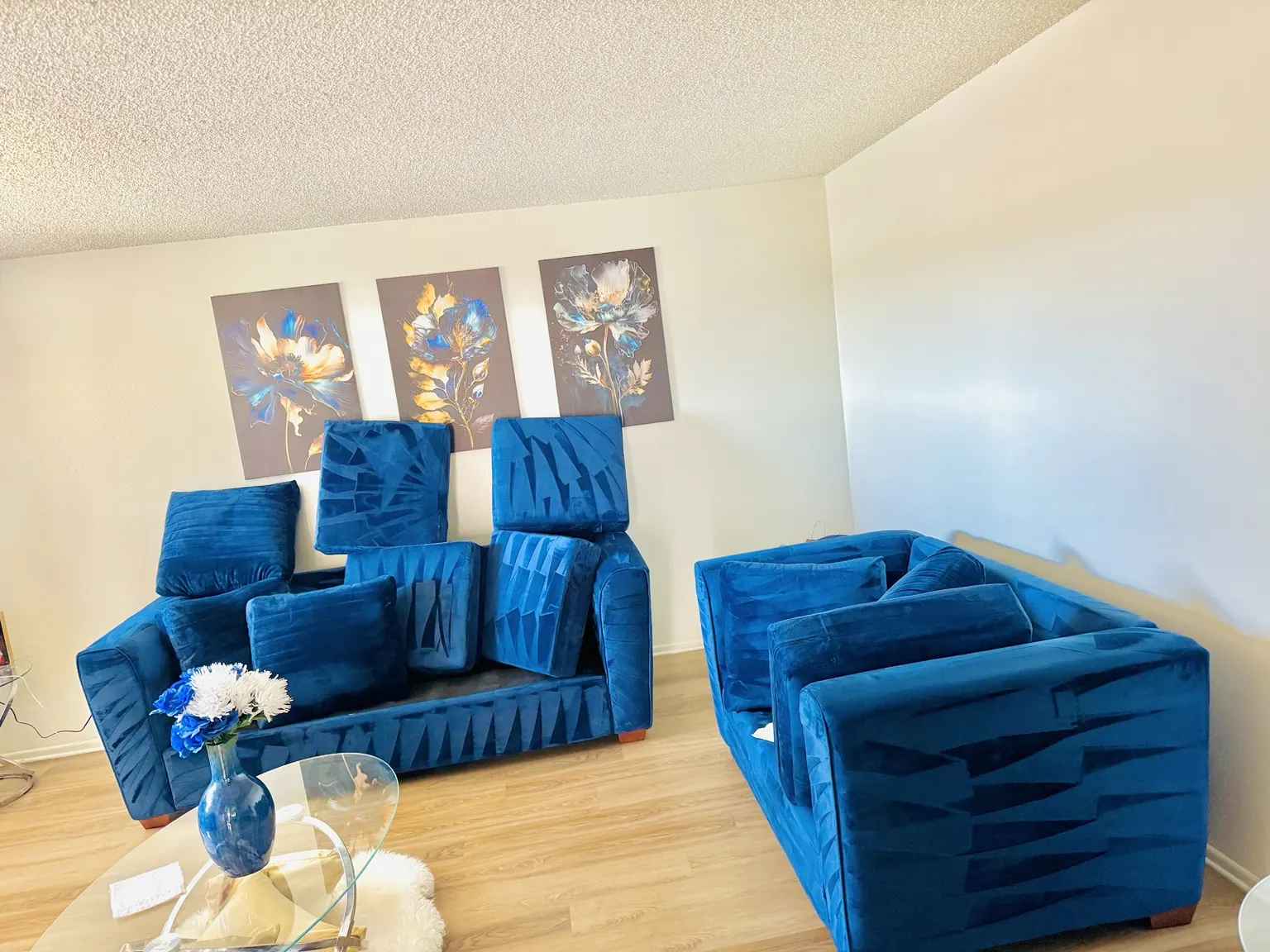
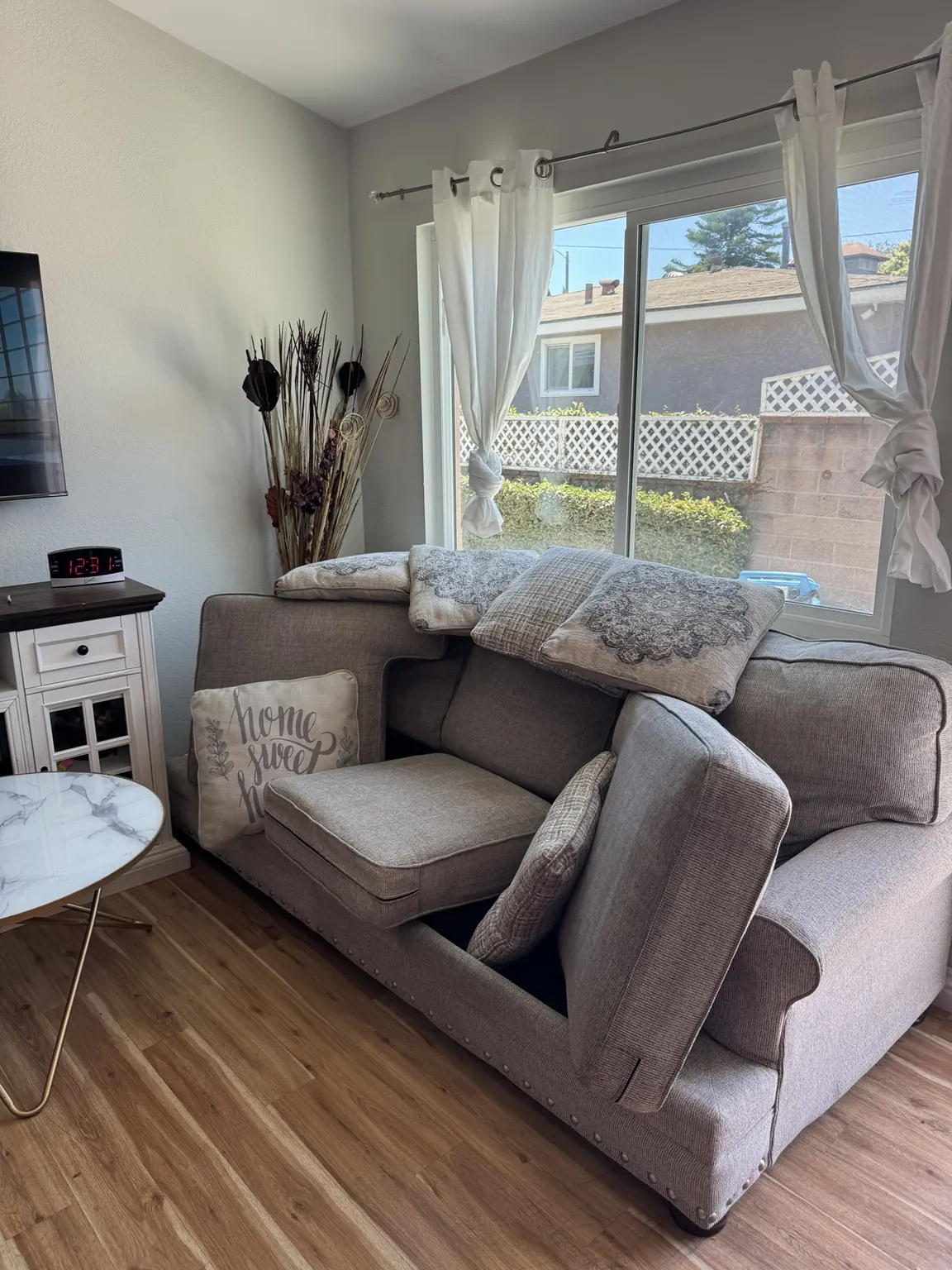
Photos from Go4Cleaning jobs, taken by our own crew.
Common questions
Can chenille be steam cleaned?
Rarely a good idea at home. Heat and volume of water are what flatten the pile. Professional low-moisture cleaning is a safer route for this fabric.
How often should chenille furniture be cleaned?
Vacuum weekly, professional clean every 12 to 18 months in a normal household, sooner with pets or daily use.
Want this handled properly?
Call or text (866) 631-2244 for a straightforward quote, or send photos with your request.
Cleaning appointments 8:00 a.m. – 8:00 p.m. daily. Calls, messages and scheduling 24/7.