Upholstery
How to Clean Upholstery Without Leaving Water Rings
A water ring is not a stain in the usual sense. It is the outline left where a damp area dried unevenly and carried dissolved soil to the edge. Understand that and both prevention and repair get much simpler.
By Go4Cleaning Team · Updated August 26, 2026 · 9 min read
Quick answer
Water rings form when a damp spot dries unevenly and carries soil to its edge. Prevent them by cleaning a whole seam-to-seam panel rather than a single spot, using the least moisture that works, and drying quickly with airflow. Fixing an existing ring on unknown or delicate fabric is best left to a professional.
What actually causes the ring
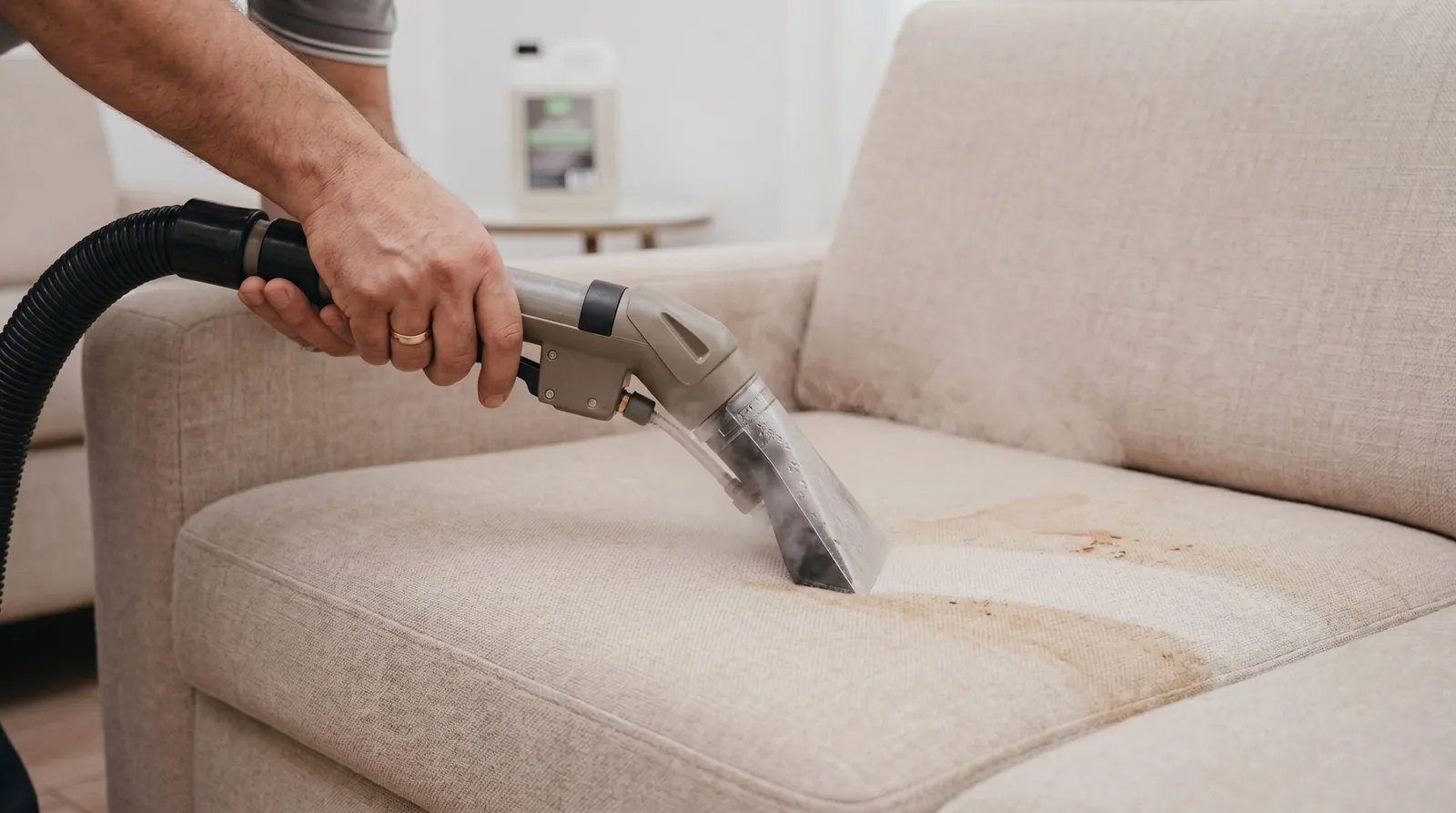
When you dampen part of a cushion, the liquid spreads outward and takes fine soil with it. As the middle dries first, the last moisture to evaporate sits at the outer edge and deposits everything it was carrying in a line. That line is the ring.
Slow drying makes it worse, because the moisture has more time to travel. So does spot-cleaning a small circle in the middle of a large panel.
Clean panel to panel, not spot to spot
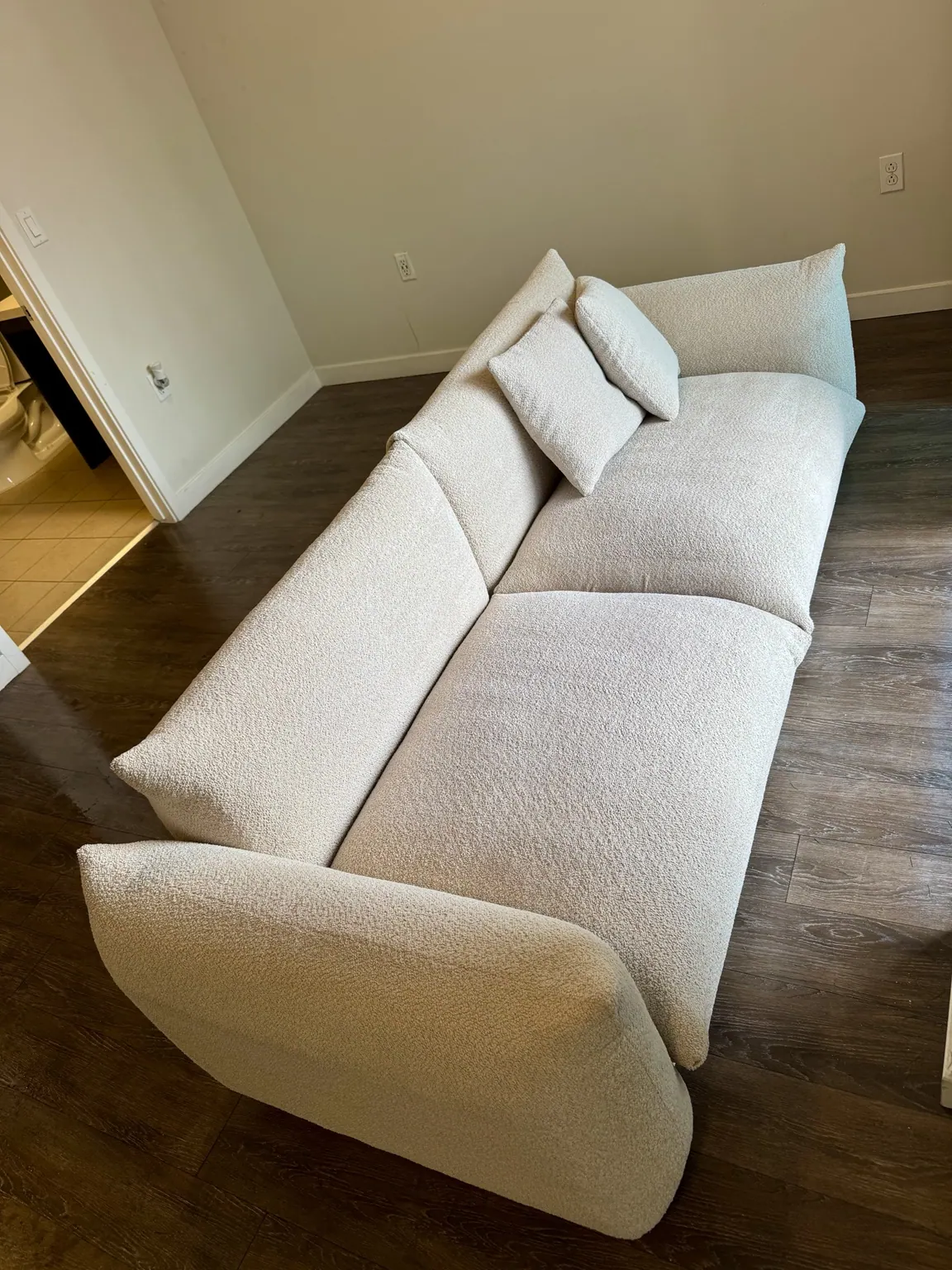
- Work from seam to seam so every drying edge lands on a structural line.
- Do the whole cushion face, not the stain alone.
- Feather outward with a lighter touch as you approach the seam.
- Keep the damp zone even — no puddles, no dry islands.
Dry fast and evenly
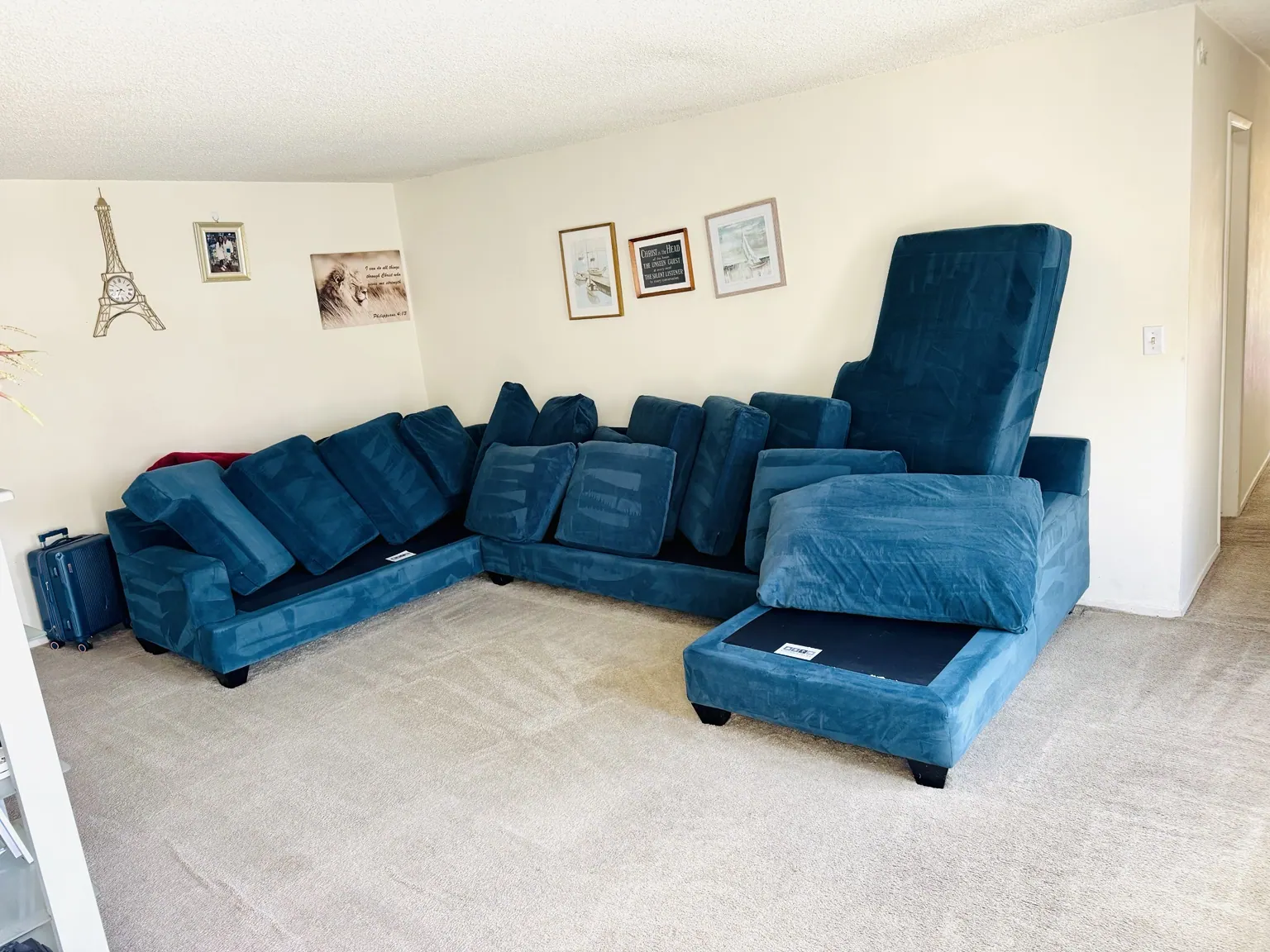
Airflow across the surface is what prevents the slow edge migration. A fan aimed along the piece, a cracked window on a dry day, or air movers on our jobs all do the same thing.
Do not press a towel down and walk away. Trapped moisture under a towel dries from the outside in, which is precisely the pattern that creates a ring.
Fixing a ring that has already set
On a water-safe fabric, the usual approach is to re-wet the entire panel lightly and evenly, then dry the whole thing quickly with airflow so no single edge dries last. On solvent-only or unknown fabric, that is a job for a professional — re-wetting the wrong material sets a permanent mark.
If the fabric is silk, viscose, linen blend or an S-code tag, stop and call rather than experiment.
How we avoid them on a job
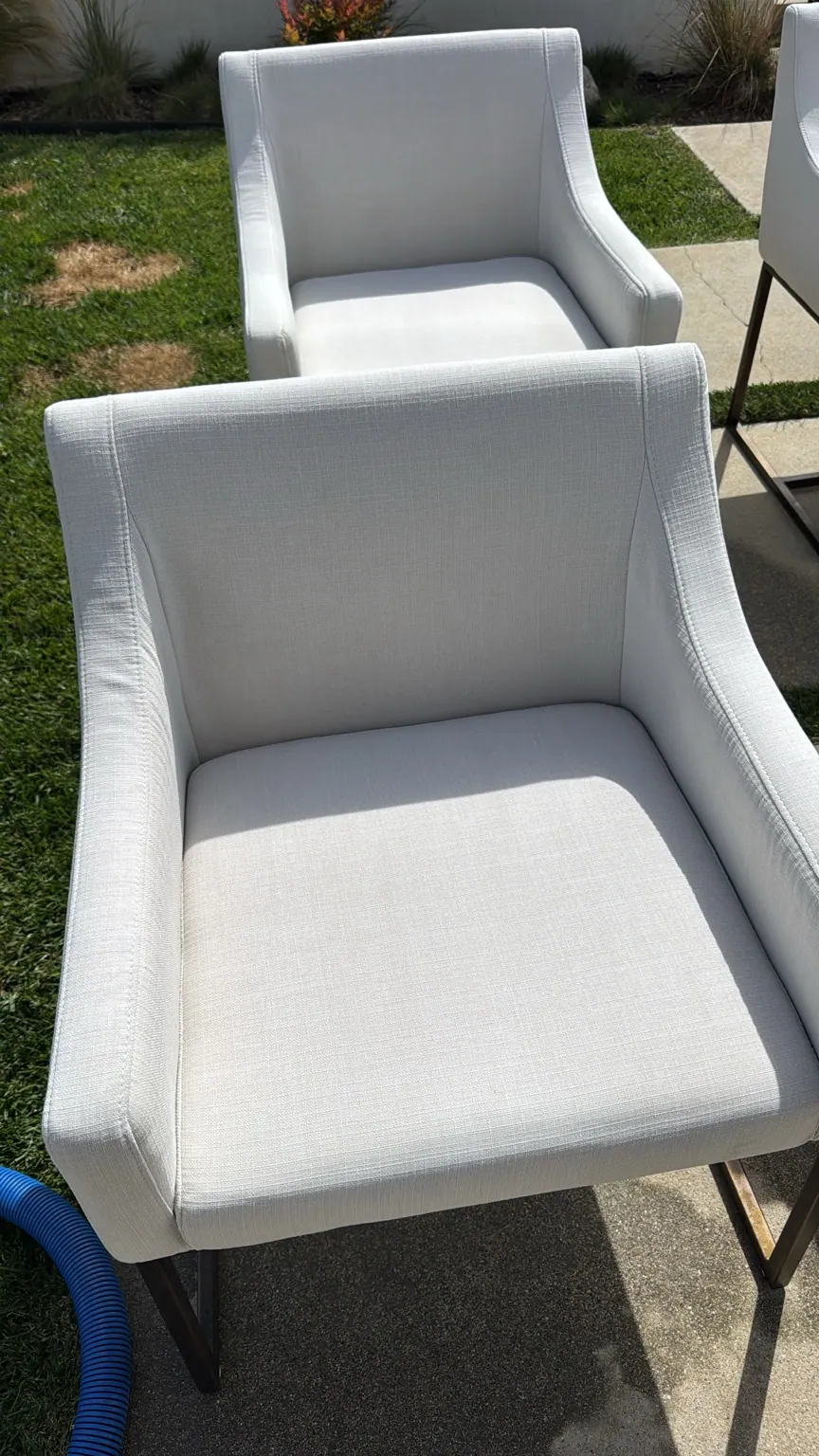
We identify the fiber and cleaning code first, choose chemistry to match, use controlled moisture with strong recovery, work seam to seam and finish with grooming and airflow. Nothing exotic — just doing each step in the right order.
Family-owned and based in Beverly Hills, we work across Los Angeles County and approved Orange County communities.
Treating spills and stains
Before you can fix the issue, you need to understand it.
Water stains are usually caused by mineral deposits left behind after moisture dries. In Los Angeles, tap water often contains mineral content. When you use plain water for removing water from a stained area, those minerals can dry on the Textile and leave a visible watermark.
Another cause is uneven moisture. If you soak only one small section of a fabric couch, the edges dry at different rates. That difference creates stains on upholstery that look like large rings.
Too much moisture is also a problem. Excess moisture can push dirt deeper into the Furniture padding. As the area dries, stains and soils rise back to the surface.
The key is balance. You want enough cleaning solution to lift the stain, but not so much that you create new water spots.
Already dealing with visible water stains? Do not panic.
The way to remove them is often to re-wet the entire cushion evenly with distilled water. It sounds strange, but evening out the moisture helps eliminate rings caused by partial drying.
Lightly mist distilled water across the entire clean area of the cushion.
The goal is to blend the watermark into the surrounding Textile so it dries evenly. This method often helps get rid of water spots without aggressive chemicals.
Before cleaning the whole pillow, focus on any visible stains.
Dampen a clean cloth with the solution and gently blot the stain.
Avoid scrubbing, which can damage the fibers or spread the stain.
Repeat as needed using new cloth sections to prevent reapplying the stain.
Check the cleaning code first
Every piece of upholstery should have a care tag. This tag includes a cleaning code that tells you whether the material is safe for water-based products or requires a solvent-based method.
WS — Water-based or solvent-based products are okay
Always follow the manufacturer’s instructions. If the tag says the couch cannot be cleaned with water, using water will likely damage the fabric and cause permanent discoloration. If the tag is missing, test any cleaning product in an inconspicuous area or hidden area first.
This could be behind a cushion or underneath the sofa. Apply a small amount and wait for it to dry completely. Check the area to see if there is fading or a texture change.
Vacuuming safely
One of the most overlooked steps in upholstery cleaning care is dry soil removal.
Use a handheld vacuum or the upholstery attachment on your regular vacuum. This removes loose dirt, dust, and debris. If you skip this step, those particles can turn muddy when you start using water.
Run the vacuum slowly across the entire fabric sofa, not just the stained area. Pay attention to seams and creases on the couch and chair cushions. This alone can dramatically improve the appearance before you even begin stain removal.
If spills and stains are fresh, gently blot with a paper towel or towel before vacuuming. Do not rub. Rubbing spreads the spill and damages fibers.
Vacuuming should always be your first step. Use a vacuum with an upholstery attachment to remove surface dust, pet hair, and food crumbs.
Work in short strokes along the seams and across the entire surface.
Pay close attention to textured fabrics to ensure you’re lifting debris from crevices.
Step 3: Blot, Do Not Scrub
When dealing with a fresh spill, time matters.
Use a clean cloth or cloth to blot the spill. A soft cloth, paper towel, or dry towel will work. Press firmly to absorb as much liquid as possible. You can dab gently, but never scrub. Scrubbing pushes the original stain deeper and roughs up delicate fabrics. It can also create a visible watermark after drying.
Blot repeatedly until no more moisture transfers to the cloth. This step is critical before applying any cleaner.
Step 4: Use Distilled Water, Not Tap Water
If you are using water, choose distilled water.
Distilled water does not contain the mineral deposits found in tap water. This greatly reduces the risk of water spots and rings forming as the area dries.
Lightly dampen a sponge or use a soft, clean cloth with distilled water. For water-based fabrics, gently blot the entire panel or cushion, not just the stain. This helps keep the fabric looking even and helps remove the harsh edge of a watermark.
Remember, the goal is to dampen, not soak. Too much moisture leads to excess moisture problems and uneven drying.
Step 5: Try a Gentle DIY Cleaning Solution
If plain distilled water is not enough to remove stains, you can create a mild cleaning solution.
Lightly apply with a sponge and blot. Again, do not oversaturate.
For greasy spots, a small amount of a solvent-based upholstery cleaner may be required. Determine the appropriate product from the cleaning code. Some delicate fabrics require solvent-based methods instead of water-based products.
Let the baking soda sit for 15 to 30 minutes, then vacuum thoroughly.
Drying and residue
Improper drying is a major reason people end up with stains on upholstery after cleaning.
After you rinse the area or finish blotting, you must dry the area evenly. Use a fan placed a few feet away. Never use high heat. Do not place an Iron directly on upholstery.
Avoid sitting on the sofa until it is completely dry. Sitting too soon compresses damp padding and leads to uneven drying.
Good air circulation is essential. In Los Angeles homes, especially in warmer months, open windows when possible and use a fan to speed up evaporation.
It’s important to remove any soap residue and ensure the pillow dries completely to avoid mildew.
Dampen a clean cloth with plain water and blot the surface.
Repeat until no suds appear on the cloth.
Use a standing fan or open a nearby window to speed up drying.
Avoid putting damp pillows back on your couch; they can grow mold if not fully dried.
Steam and hot-water cleaning
Using a steam cleaner can be effective, but it must be done carefully.
Steam cleaning or using a steam cleaner injects hot Steam into fibers to lift deep stains and soils. However, if too much moisture is left behind, you risk more water stains.
Steam cleaning is excellent for deep maintenance, but it is not always the best option for a small spot clean job. Sometimes, a light solvent treatment works better for surface stain issues.
Special Considerations for a White Couch or Delicate Fabrics
A white couch shows everything. Even plain water can leave visible discoloration.
For delicate fabrics like linen or certain blends, even mild soaps may be too harsh. Always test an inconspicuous area first. If you notice texture changes, stop immediately. Some cushion covers are machine washable, but always confirm on the care tag. If so, wash according to the manufacturer’s instructions and air dry to keep the fabric looking its best.
Delicate fabrics often need to be cleaned with professional upholstery techniques. Guessing can permanently damage the fabric.
What to avoid
Another mistake is random advice from Google or the internet without verifying if it applies to your specific textile. Different fibers react differently. Microfiber, cotton, and synthetic blends all respond uniquely to water-based or solvent-based products.
If a stain keeps reappearing after drying, the problem may be deep in the cushion padding. That is usually a sign that the piece may need professional upholstery cleaning.
When to call a professional
Sometimes the safest way to remove stains is to let a professional upholstery cleaner handle it.
At Go4cleaning. in Los Angeles, California, the team uses advanced equipment that extracts moisture deep from carpet and furniture padding. This reduces the risk of water stains and ensures the entire cleaning process is controlled and balanced.
A trained cleaner can determine the best cleaning methods, whether water-based or solvent-based, and use specialized tools that homeowners do not have access to.
The goal is not just to clean. It is to keep your upholstery looking its best for years.
Why It’s Important to Clean Couch Pillows Without Removable Covers
Couch pillows collect dust, oils, pet hair, and everyday grime just like any other fabric surface. Over time, they can start to look dingy and lose their comfort. And when the covers aren’t removable, it only adds to the challenge.
Luckily, even without zippers, there are effective techniques to keep them fresh and clean.
Supplies You’ll Need Before You Start
Before you begin cleaning, gather a few simple supplies. You’ll be using gentle methods that are safe for most fabrics, but always spot test first.
Step 4: Lightly Clean the Entire Surface
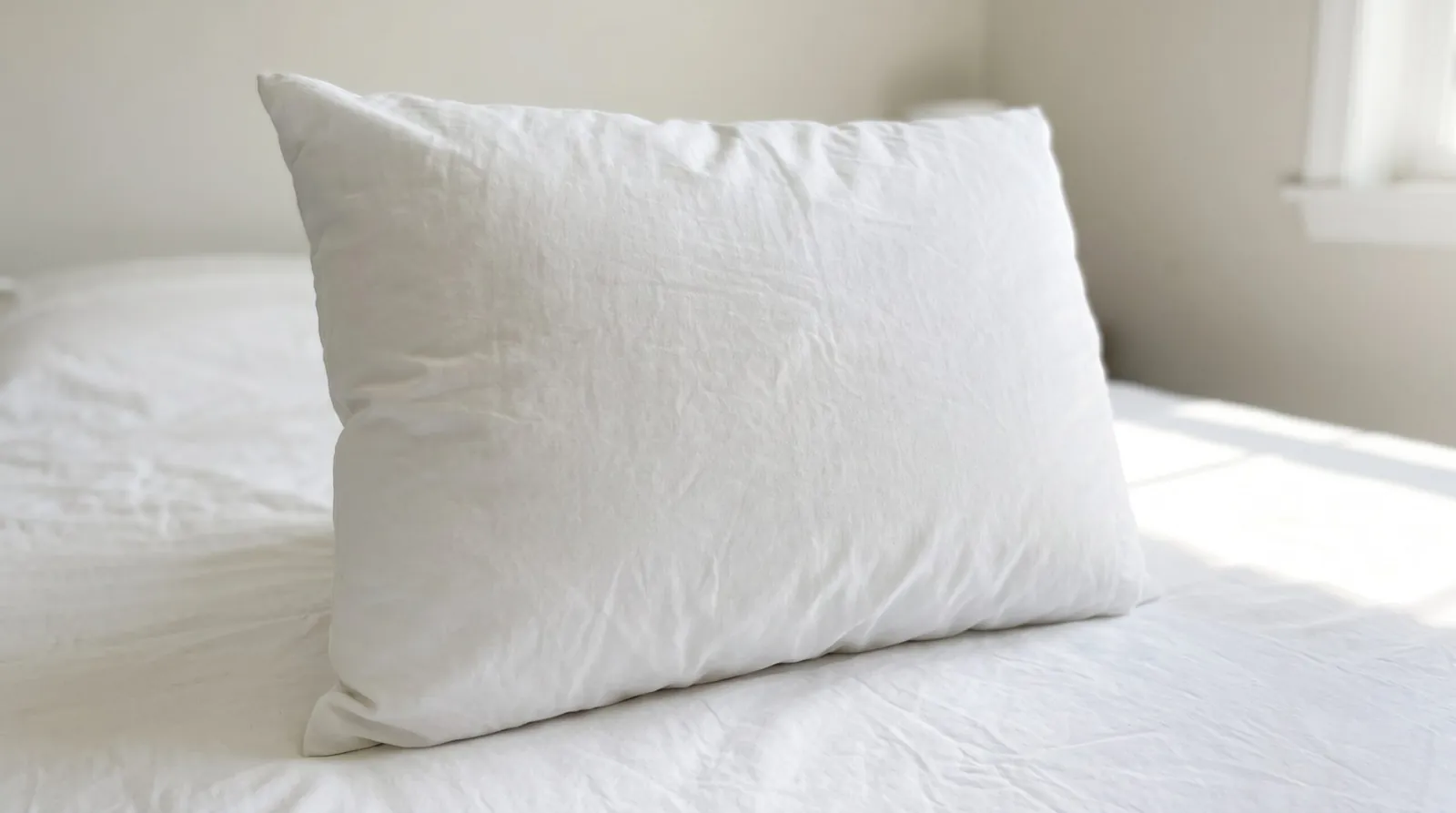
Once stains are treated, give the whole pillow a quick, overall clean.
Lightly mist the pillow surface — avoid soaking it.
Take a clean cloth and gently blot the surface to lift dirt.
For dirt trapped in texture or seams, use a soft brush in circular motions.
Related service
Upholstery cleaningFamily-owned, based in Beverly Hills, serving Los Angeles County and approved Orange County communities.
Recent Go4Cleaning work
Photos from Go4Cleaning jobs, taken by our own crew.
Common questions
Will a water ring go away on its own?
Usually not. The soil deposited at the edge stays there until it is redistributed or removed.
Can I use distilled water to avoid rings?
It helps a little with mineral marks, but most rings come from soil in the fabric, not from the water.
Want this handled properly?
Call or text (866) 631-2244 for a straightforward quote, or send photos with your request.
Cleaning appointments 8:00 a.m. – 8:00 p.m. daily. Calls, messages and scheduling 24/7.