Upholstery
The Safe Way to Clean Vinyl Upholstery (Without Cracking It)
Vinyl looks indestructible, which is exactly why it gets ruined. Harsh cleaners, alcohol wipes and solvent-heavy products strip the plasticisers that keep the surface flexible, and once it goes brittle it cracks and cannot be repaired.
By Go4Cleaning Team · Updated August 26, 2026 · 6 min read
Quick answer
Vinyl stays flexible because of plasticisers in the material, and harsh cleaners or abrasive pads strip them out, leading to hazing and cracking. Clean it with a mild, pH-neutral solution and a soft cloth, rinse off residue, and keep it out of prolonged direct sun and heat to protect its flexibility long term.
What vinyl actually is
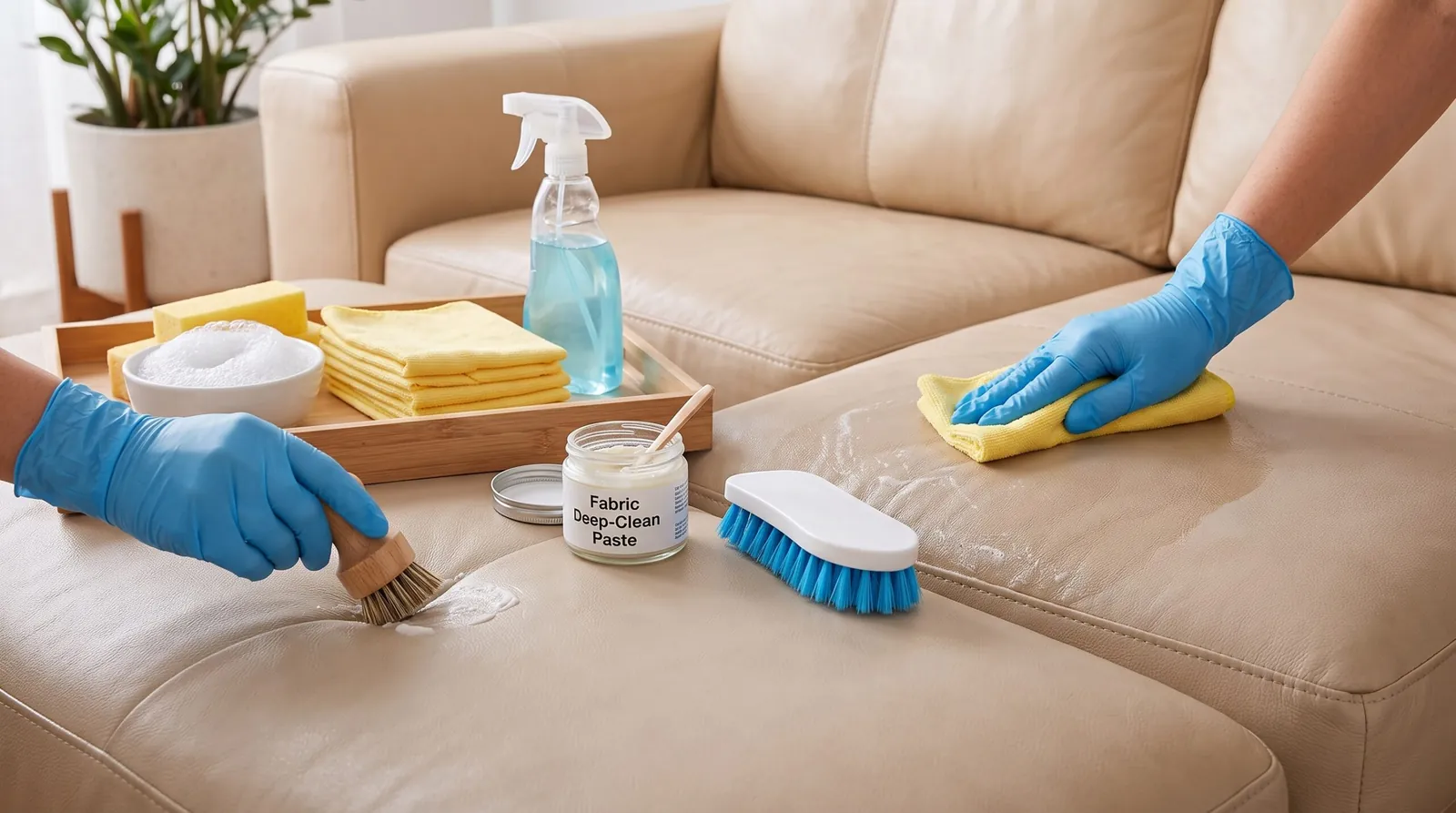
It is a plastic film over a fabric backing, kept soft by plasticisers. Anything that dissolves or leaches those — strong solvents, alcohol, bleach, abrasive pads, high heat — takes flexibility with it.
Damage shows up as hazing, a sticky surface, stiffness, then hairline cracks along the fold lines. None of that is reversible by cleaning.
A safe routine that works
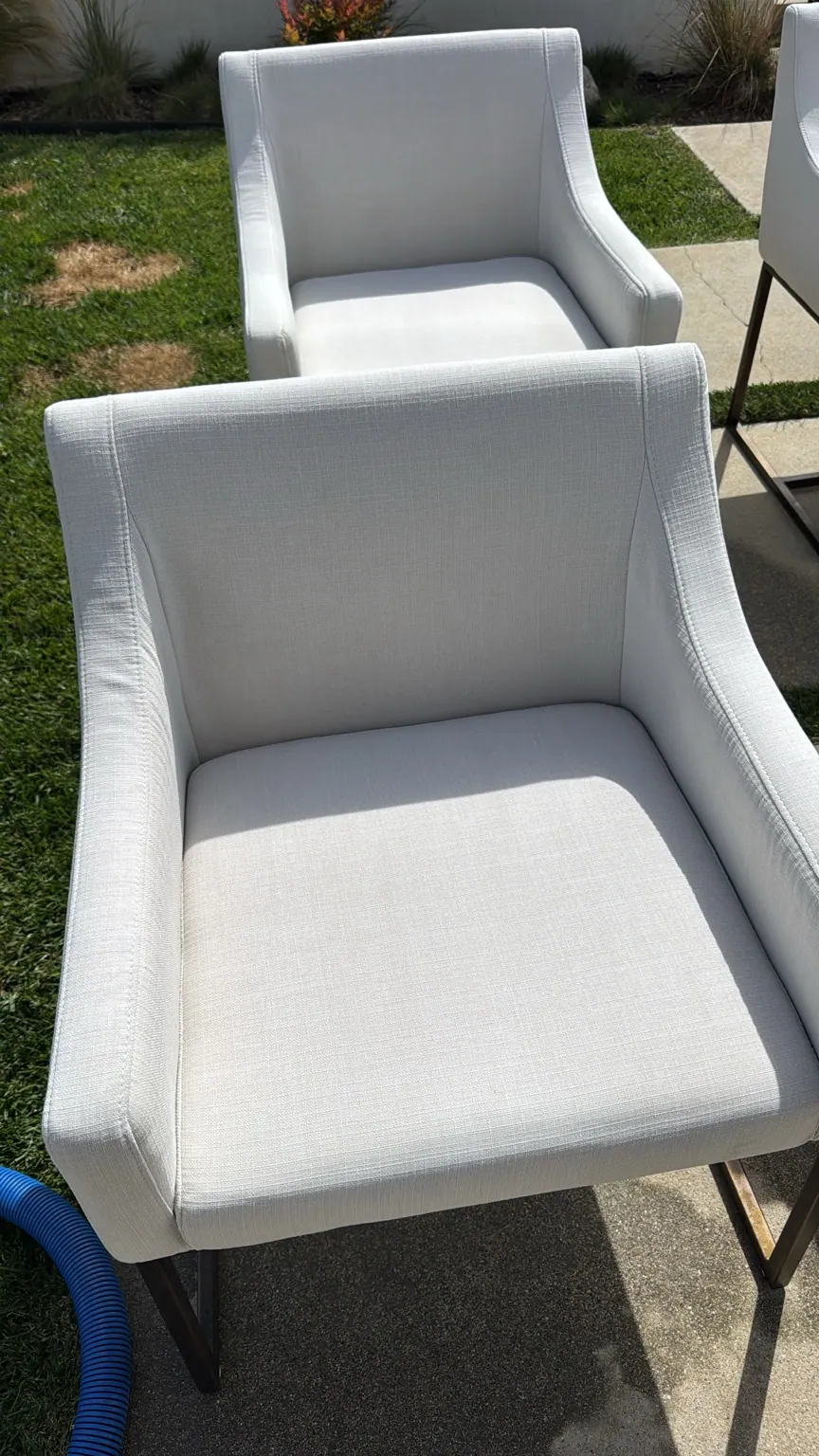
- Vacuum grit from the seams and piping first, so nothing gets dragged across the surface.
- Mix a mild pH-neutral cleaner in warm water — very dilute.
- Wipe with a soft microfiber cloth, working panel by panel.
- Use a soft brush only in textured grain and stitching, never on the flat surface.
- Rinse with a clean damp cloth so no residue is left, then dry with a dry cloth.
What to keep away from it
- Bleach and ammonia-based cleaners.
- Alcohol wipes and acetone.
- Magic-eraser style melamine pads, which abrade the finish.
- Silicone-heavy dressings that leave a slick, dust-grabbing film.
- Steam at high temperature directly on the surface.
Dye transfer from denim and dark fabric
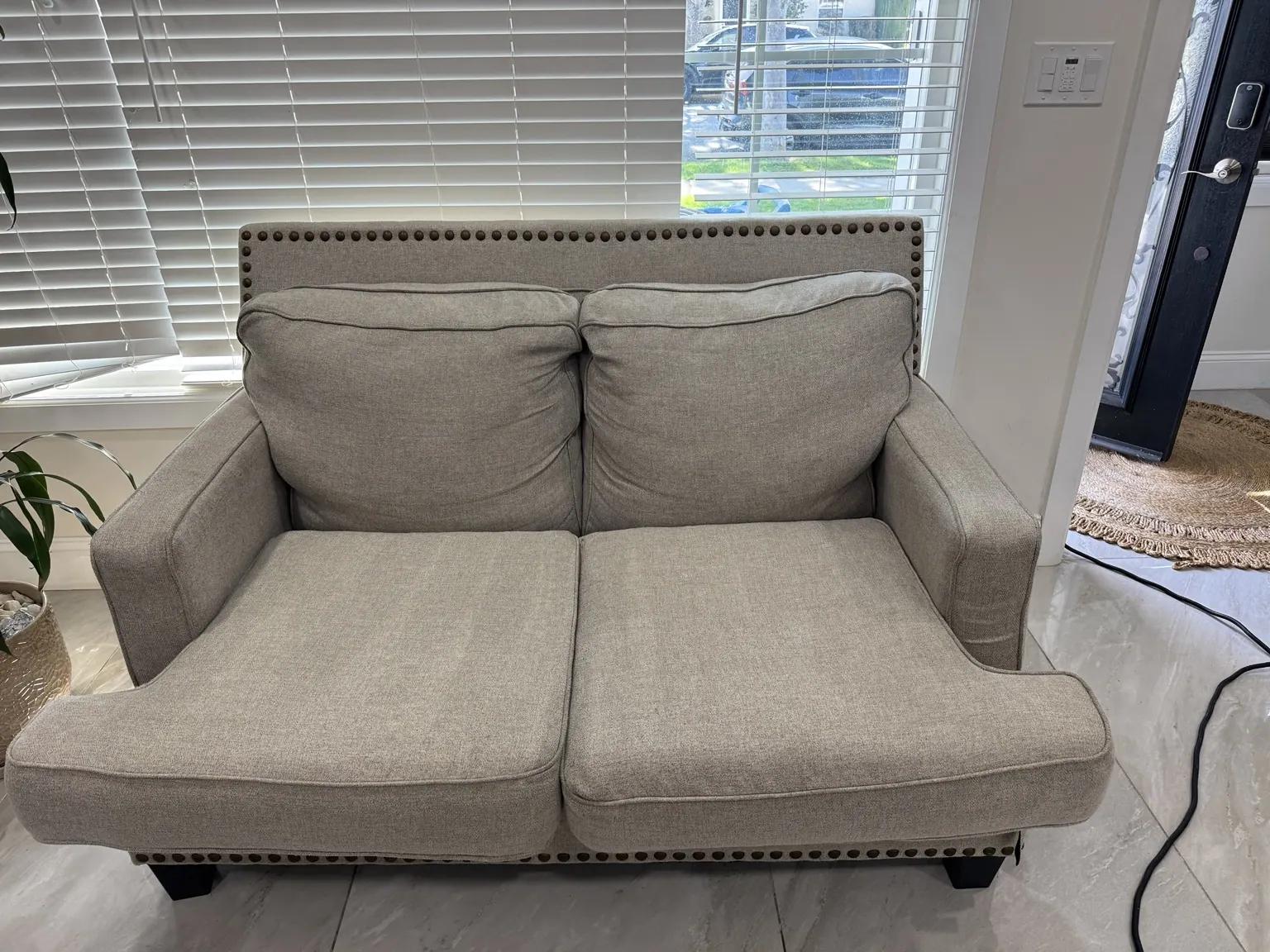
The blue shadow on a light vinyl seat is dye that has migrated into the surface, not dirt sitting on it. Caught early it often improves with gentle repeated cleaning; once it has been sitting for months it may be permanent.
Aggressive products remove some of the dye and some of the vinyl finish along with it, which is a poor trade. This is a case where slow and repeated beats strong and once.
Sun, heat and Southern California
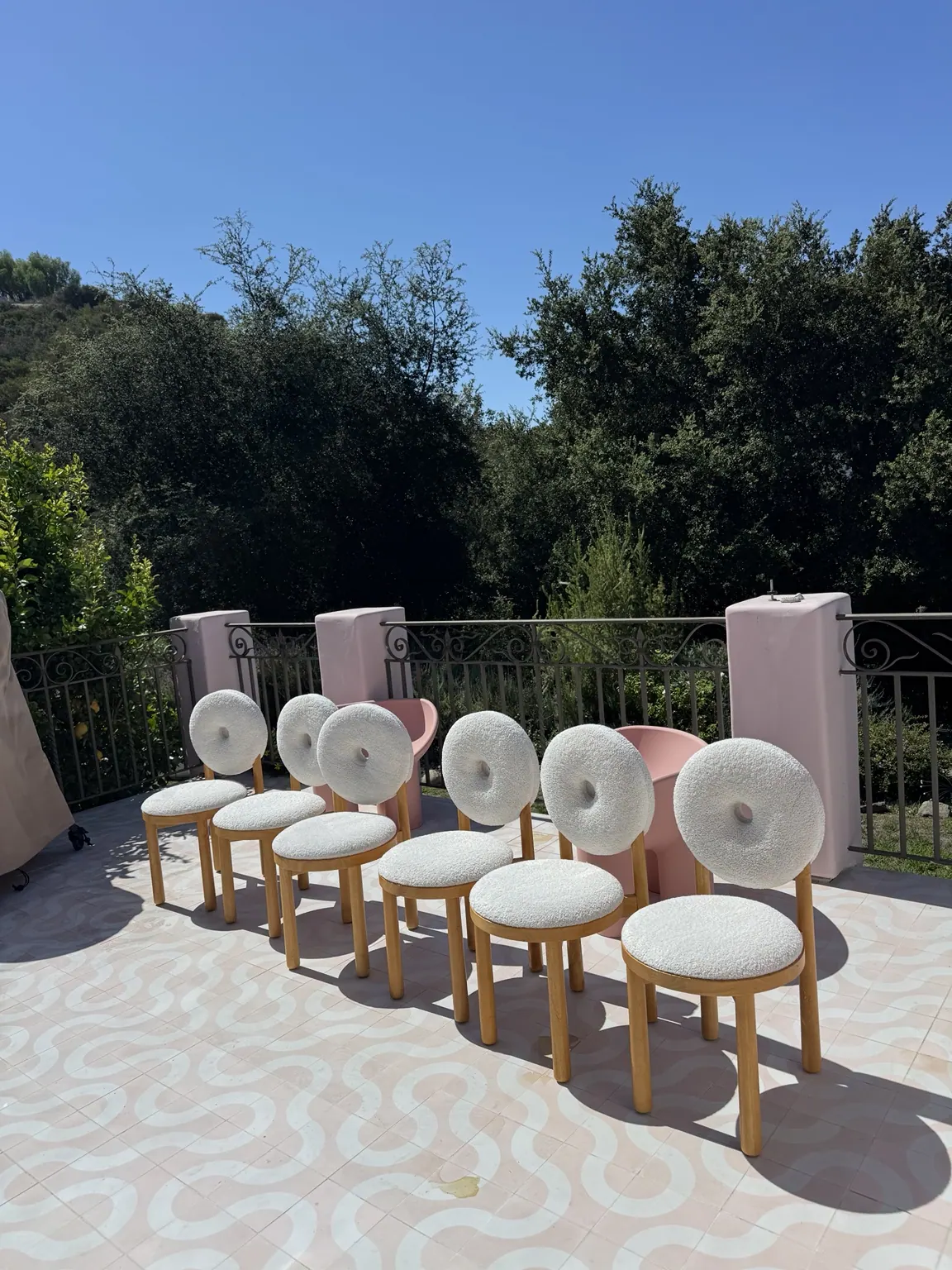
Patio and sunroom vinyl in Los Angeles takes real UV and heat load. Keeping it clean and using a non-greasy vinyl conditioner suited to the product helps it stay flexible; shading it during the worst of the afternoon helps more.
If a piece is already stiff or crazed, cleaning will make it look better but it will not restore the material.
Treating spills and stains
Vinyl upholstery is found in many modern homes. From dining chairs and bar stools to sofas and decorative cushions, it remains popular because it is durable, budget-friendly, and relatively easy to maintain. However, using the wrong cleaning method can leave the surface cracked, stained, discolored, or sticky.
If you are looking for a safe way to clean vinyl upholstery fabric, you are not alone. Many Los Angeles homeowners try household cleaners at random and later discover that certain products can permanently damage vinyl. The key is understanding how vinyl is made and choosing gentle cleaning methods that protect the surface rather than strip it.
Spills from food, ink, or dirt should be treated promptly before they set.
If the stain remains, use a vinyl-safe cleaner diluted according to the manufacturer’s instructions.
Gently work the area with a soft brush or cloth, avoiding repeated scrubbing.
After cleaning, wipe the surface with clean water and dry it thoroughly.
Why this fabric needs extra care
Vinyl, or polyvinyl chloride (PVC), is a synthetic material designed to resemble leather. It is commonly sold as faux leather or artificial leather. Unlike genuine leather, vinyl has a protective outer coating that resists moisture and helps prevent spills from soaking in.
That protective layer is one of vinyl’s biggest advantages, but it is also what makes harsh cleaning products risky. Strong chemicals and abrasive scrubbing can wear away the coating, causing the material to dry out, harden, and crack over time.
Understanding this protective surface is the foundation of proper vinyl care.
The Safest Way to Clean Vinyl Upholstery
Dampen a soft sponge or cloth with the solution and wring out excess water.
Wipe the vinyl surface gently to remove dirt and everyday grime.
Dry the area immediately with a clean, soft towel.
Vinyl does not need to be soaked, and aggressive scrubbing is unnecessary. In most cases, mild soap and water clean vinyl more effectively than heavy-duty cleaners while reducing the risk of damage.
What to avoid
Many vinyl problems begin with the wrong cleaner. Avoid:
Abrasive tools can scratch the surface, while strong solvents may break down the PVC coating. Excessive heat or pressure can also warp vinyl and force moisture beneath the surface.
When cleaning vinyl, gentle methods consistently produce better long-term results than aggressive ones.
Protecting Vinyl from Sun Damage
In sunny climates such as Los Angeles, ultraviolet (UV) exposure is one of the leading causes of fading and cracking. Over time, sunlight breaks down the vinyl coating and weakens the material.
Keep furniture out of direct sunlight whenever possible.
Use curtains, blinds, or shades during the brightest part of the day.
Apply a vinyl protectant designed for upholstery, avoiding products that leave a heavy silicone residue.
Cover outdoor cushions and marine vinyl items when not in use.
Consistent UV protection can significantly extend the life of vinyl upholstery.
Preventing Mold and Mildew
Although vinyl resists moisture, trapped humidity can still allow mold and mildew to develop, especially on outdoor furniture, cushions, or items stored in damp areas.
Dry the item completely before use or storage.
Good airflow and ventilation are essential. If mildew returns repeatedly, antimicrobial treatments or professional cleaning may be worth considering.
Easy Maintenance Habits
Regular upkeep keeps vinyl looking fresh and reduces the need for deep cleaning.
Wipe surfaces with a damp cloth every few weeks.
Avoid sending vinyl upholstery to a fabric-care provider unless it specifically handles that material.
Do not machine-wash removable vinyl covers unless the manufacturer approves it.
Avoid waxes or heavy coatings that can trap dirt and dull the finish.
Gentle, consistent care is the simplest way to prevent cracks, fading, and discoloration.
Marine Vinyl and High-Traffic Furniture
Marine vinyl is formulated to handle greater moisture exposure, but it still benefits from regular cleaning. Salt, sand, sunscreen, and outdoor debris can accumulate quickly.
Use mild soap-and-water cleaning and avoid silicone-heavy products that may attract dirt over time.
Indoor pieces that receive heavy daily use, such as dining chairs and family-room sofas, should be cleaned more frequently to prevent grime buildup and premature wear.
When to call a professional
DIY cleaning may not be enough if your vinyl upholstery has:
In those situations, professional deep cleaning can help restore the surface without causing additional damage.
At Go4Cleaning in Los Angeles, California, we use professional equipment and products selected for vinyl and leather-like upholstery. Our technicians know which cleaning solutions preserve the protective coating and which products can shorten the lifespan of the material.
The goal is not aggressive cleaning—it is safe, effective cleaning that keeps your upholstery looking fresh for as long as possible.
If you are unsure whether a piece is genuine leather or vinyl, it is always safer to confirm before experimenting with household cleaners.
Related service
Upholstery cleaningFamily-owned, based in Beverly Hills, serving Los Angeles County and approved Orange County communities.
Recent Go4Cleaning work
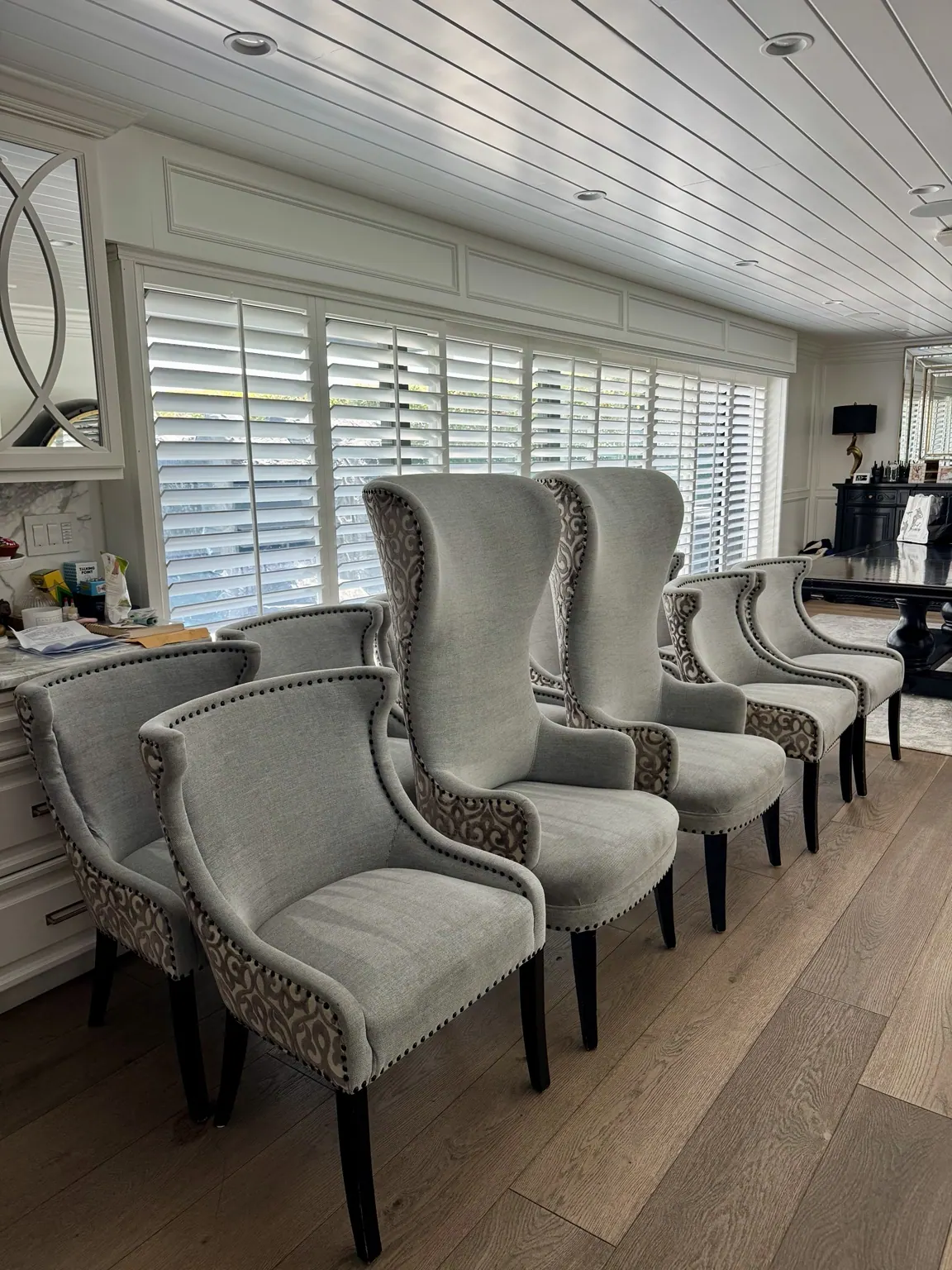
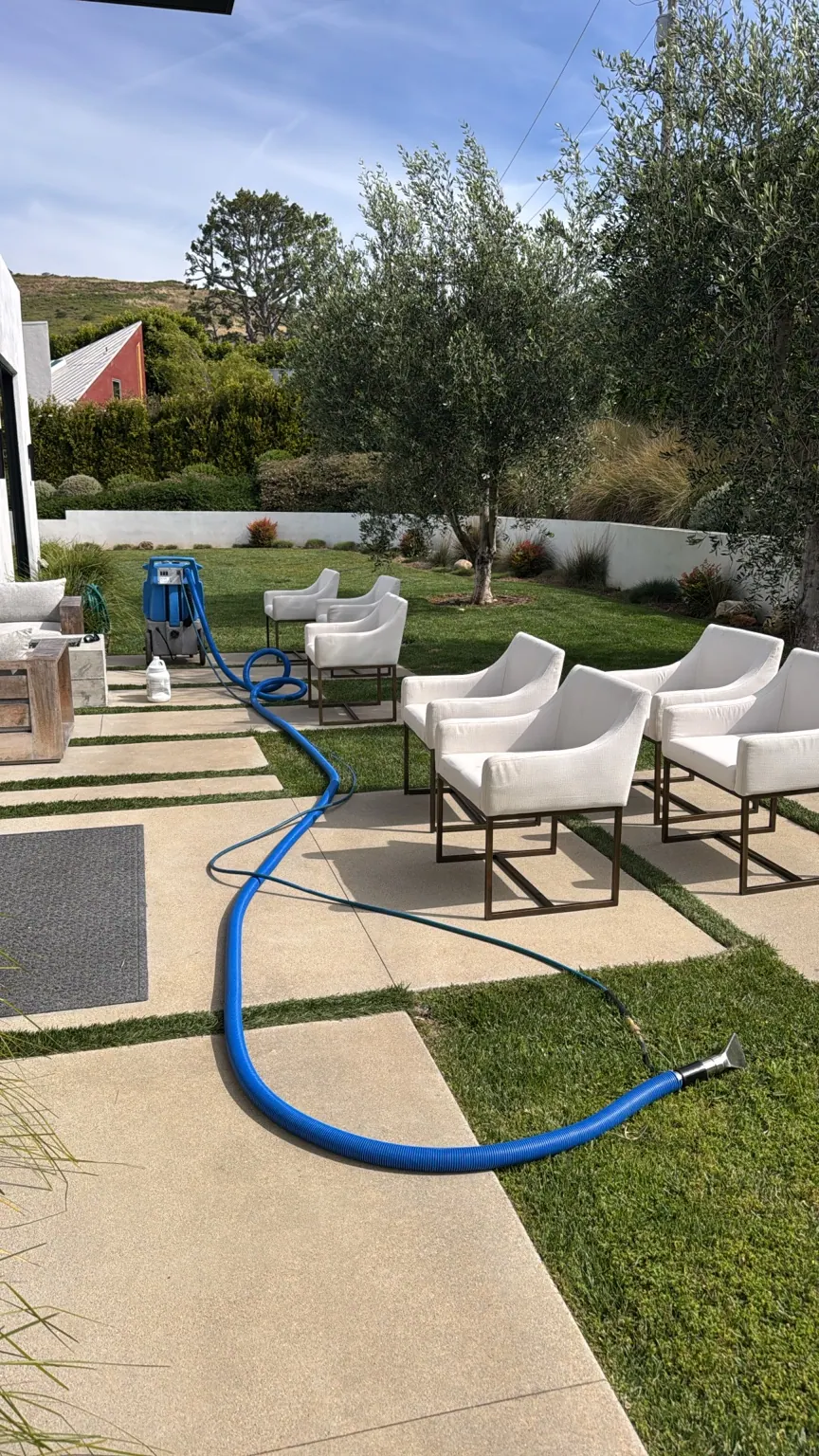
Photos from Go4Cleaning jobs, taken by our own crew.
Common questions
Can I use dish soap on vinyl?
A very dilute, pH-neutral solution is usually fine, but rinse it off. Left behind, the residue attracts dust and makes the surface look grey.
Do you clean vinyl dining chairs and patio furniture?
Yes, both indoor vinyl and outdoor patio pieces, using products matched to the surface.
Want this handled properly?
Call or text (866) 631-2244 for a straightforward quote, or send photos with your request.
Cleaning appointments 8:00 a.m. – 8:00 p.m. daily. Calls, messages and scheduling 24/7.