Upholstery
Sectional Sofa Cleaning — What It Involves and What It Costs
A sectional is not one sofa — it is three to six upholstered pieces that happen to be pushed together, usually with a chaise that never gets moved and a corner nobody has vacuumed in years. That is why it is quoted and cleaned differently.
By Go4Cleaning Team · Updated August 26, 2026 · 7 min read
Quick answer
Sectionals are priced and cleaned by section because each piece has its own deck, cushions and hard-to-reach corner. Expect dry-soil removal, a fiber check and hidden-area test, panel-by-panel cleaning with controlled moisture, and grooming afterward — with sections separated where the frame allows for better access.
Why sectionals are priced by section
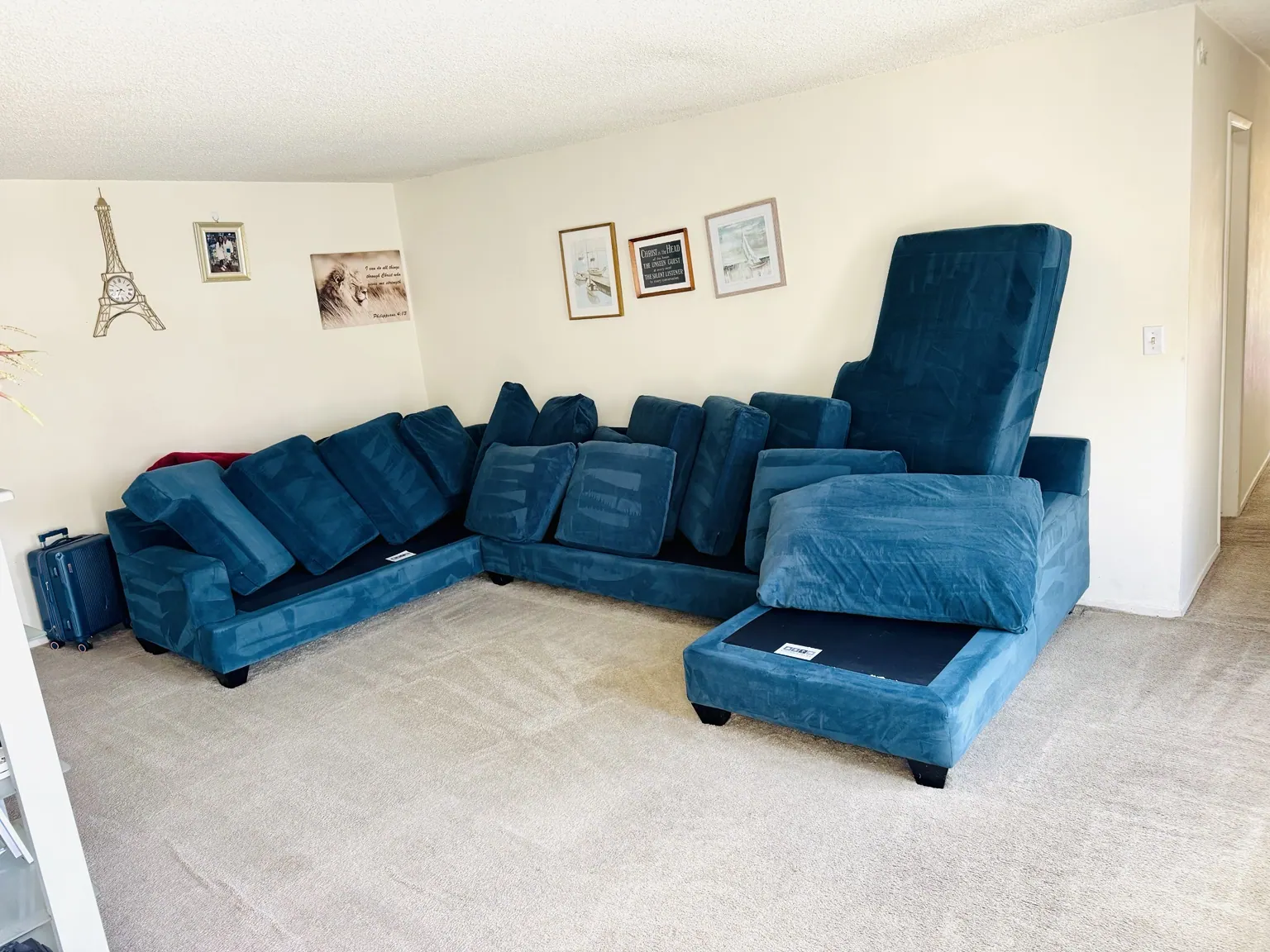
Each section has its own deck, cushions, back and sides. A five-piece L-shape with a chaise is closer to two sofas' worth of surface than one, and the corner unit takes hand work that a straight piece does not.
We count the sections with you, note the fabric and the condition, and give one number before we begin. No add-ons decided in your living room.
The parts that hold the most soil
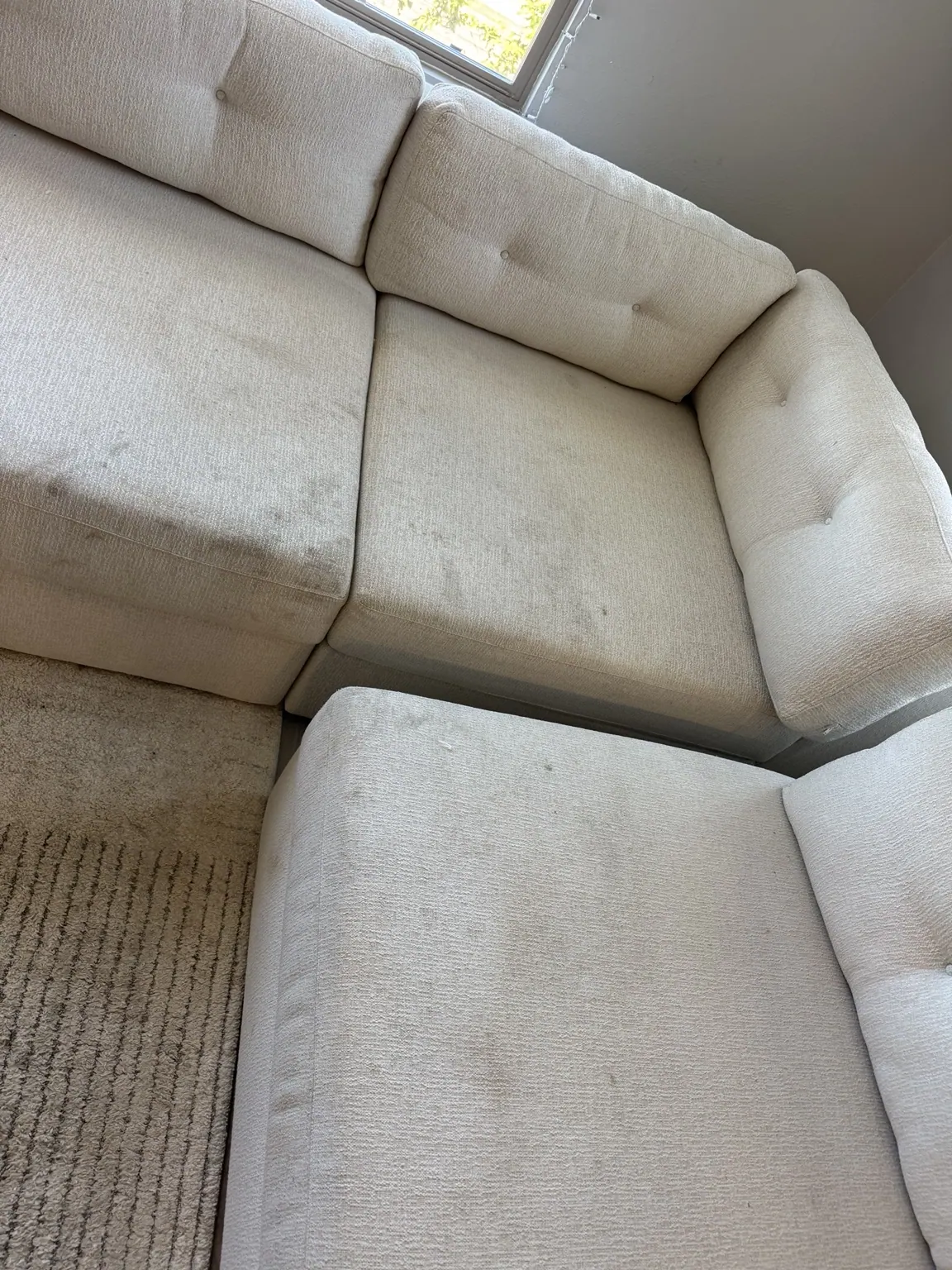
- The chaise, because it is where people actually lie down.
- Seat fronts and arm tops — body oils build up there first.
- The deck under the cushions, which collects crumbs, hair and grit.
- The corner seam, where two sections meet and nothing ever gets vacuumed.
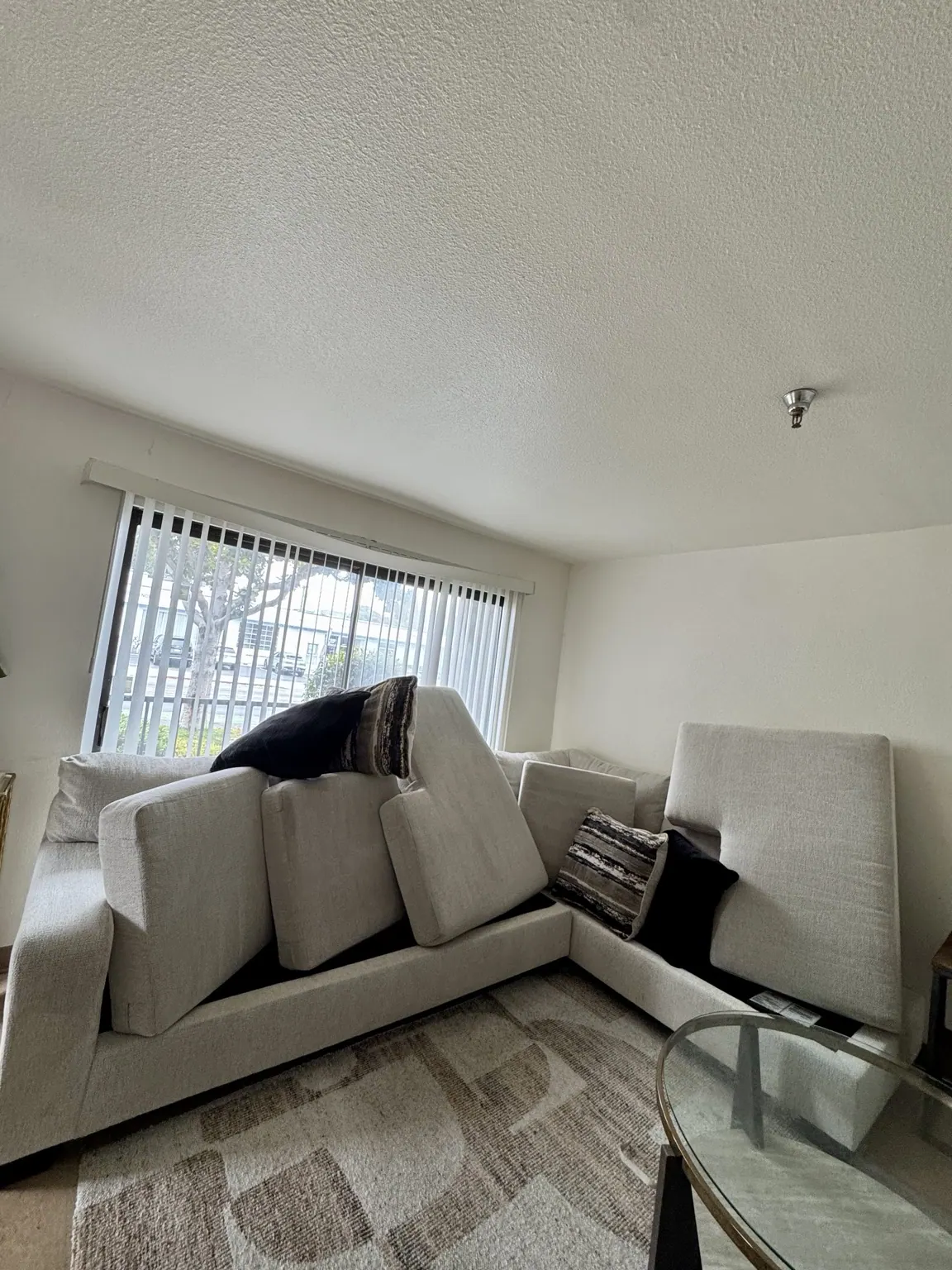
How we work a sectional
- Separate the sections where the frame allows, so we can reach the sides and the corner.
- Dry-soil removal across the whole set, cushions off.
- Fiber test and spot pre-treatment on marked areas.
- Clean seam to seam, one panel at a time, so no drying edge lands mid-cushion.
- Groom the nap, reassemble and set airflow across the whole piece.
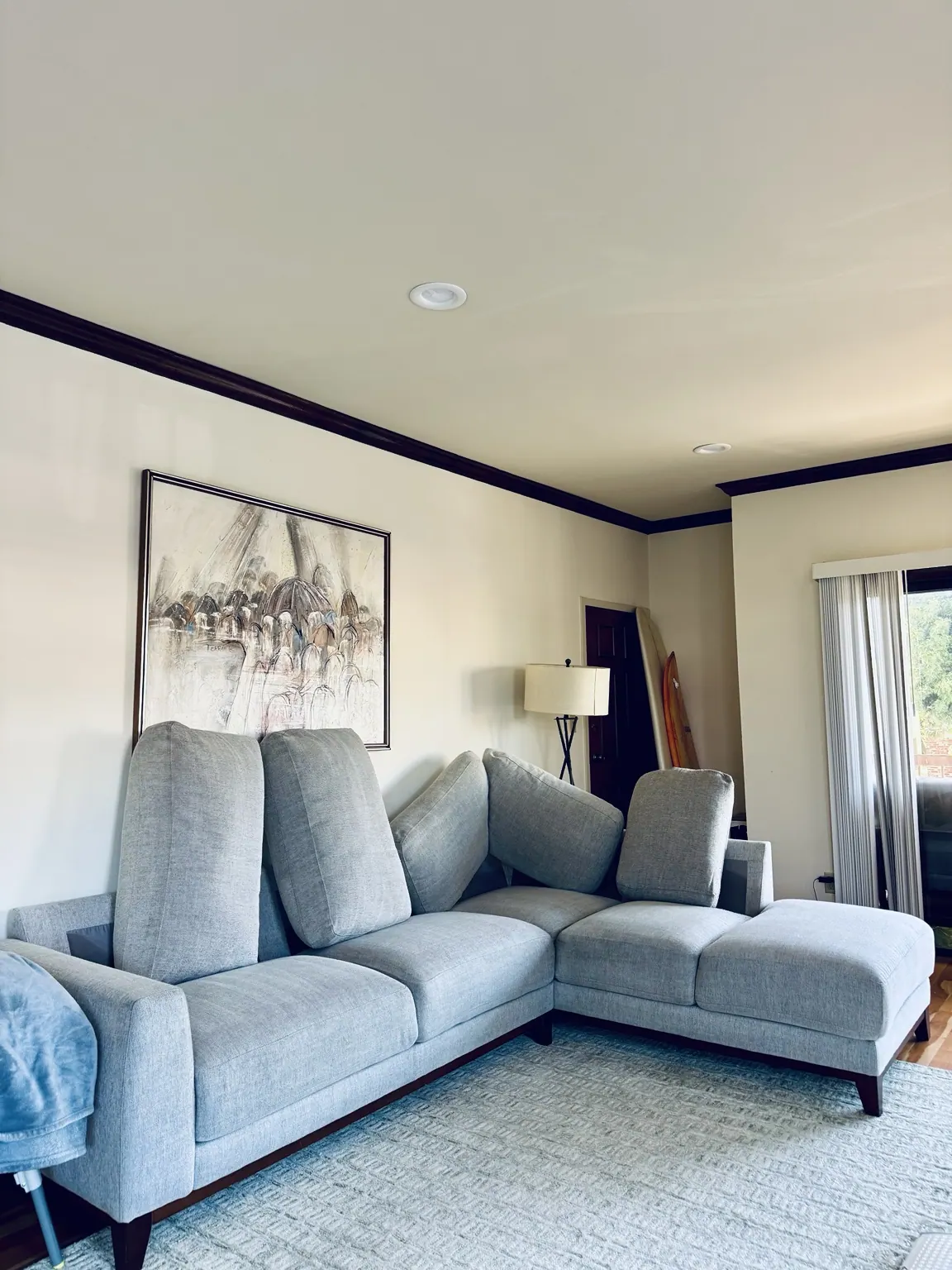
How to prepare before we arrive
- Clear the surrounding floor and side tables so sections can be pulled out.
- Remove throws, decorative pillows you do not want cleaned, and anything under the chaise.
- Point out marks you care about most — we will tell you honestly which are likely to improve.
- Plan to keep pets and kids off the piece for the dry time we quote.
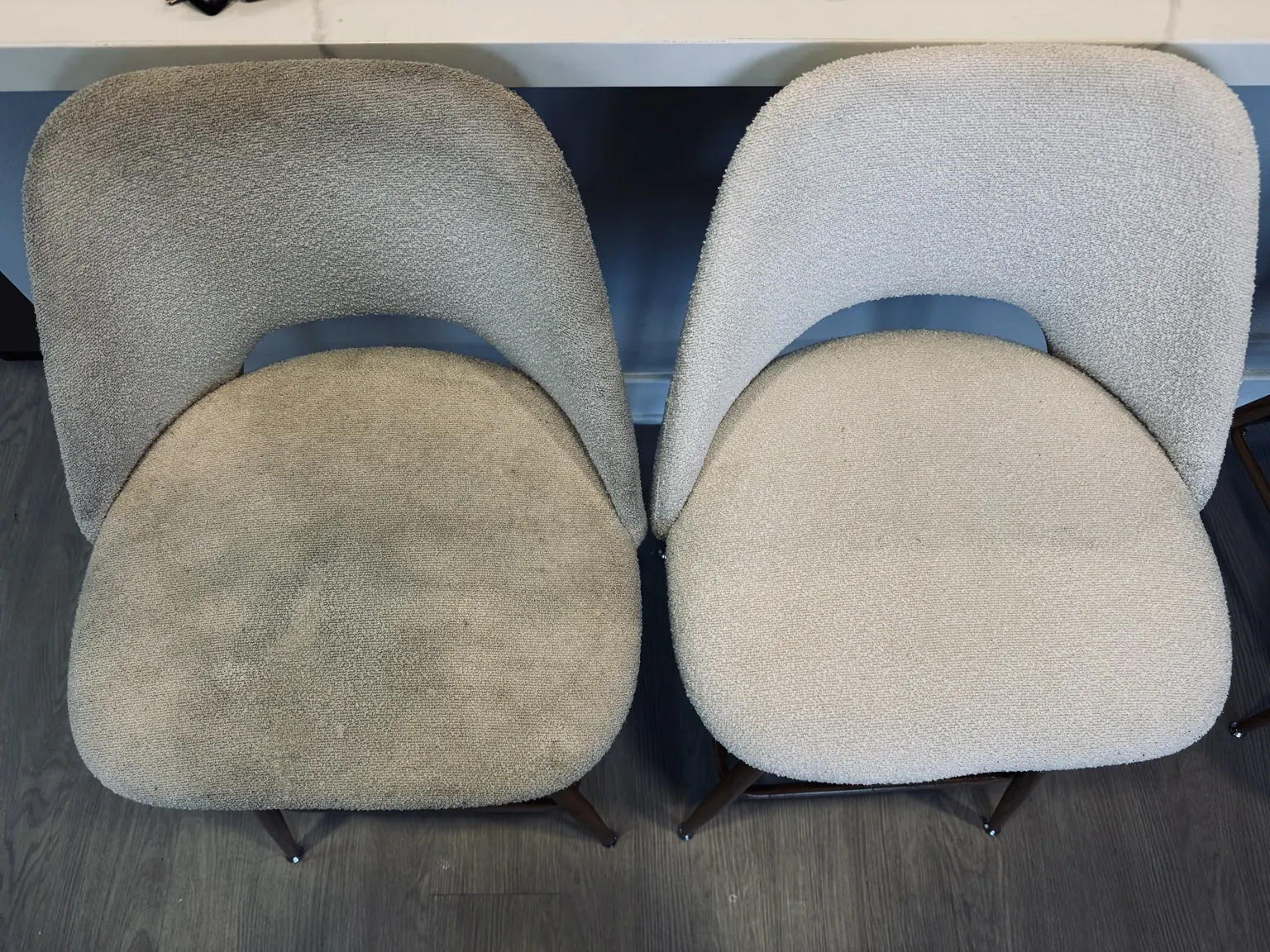
Fabric matters more than size
Performance weaves and solution-dyed synthetics clean well and dry fast. Bouclé, chenille and velvet need a gentler hand and careful grooming so the nap is not crushed. Linen blends and viscose need controlled moisture or they mark.
We check the cleaning code and test before choosing the method, every time.
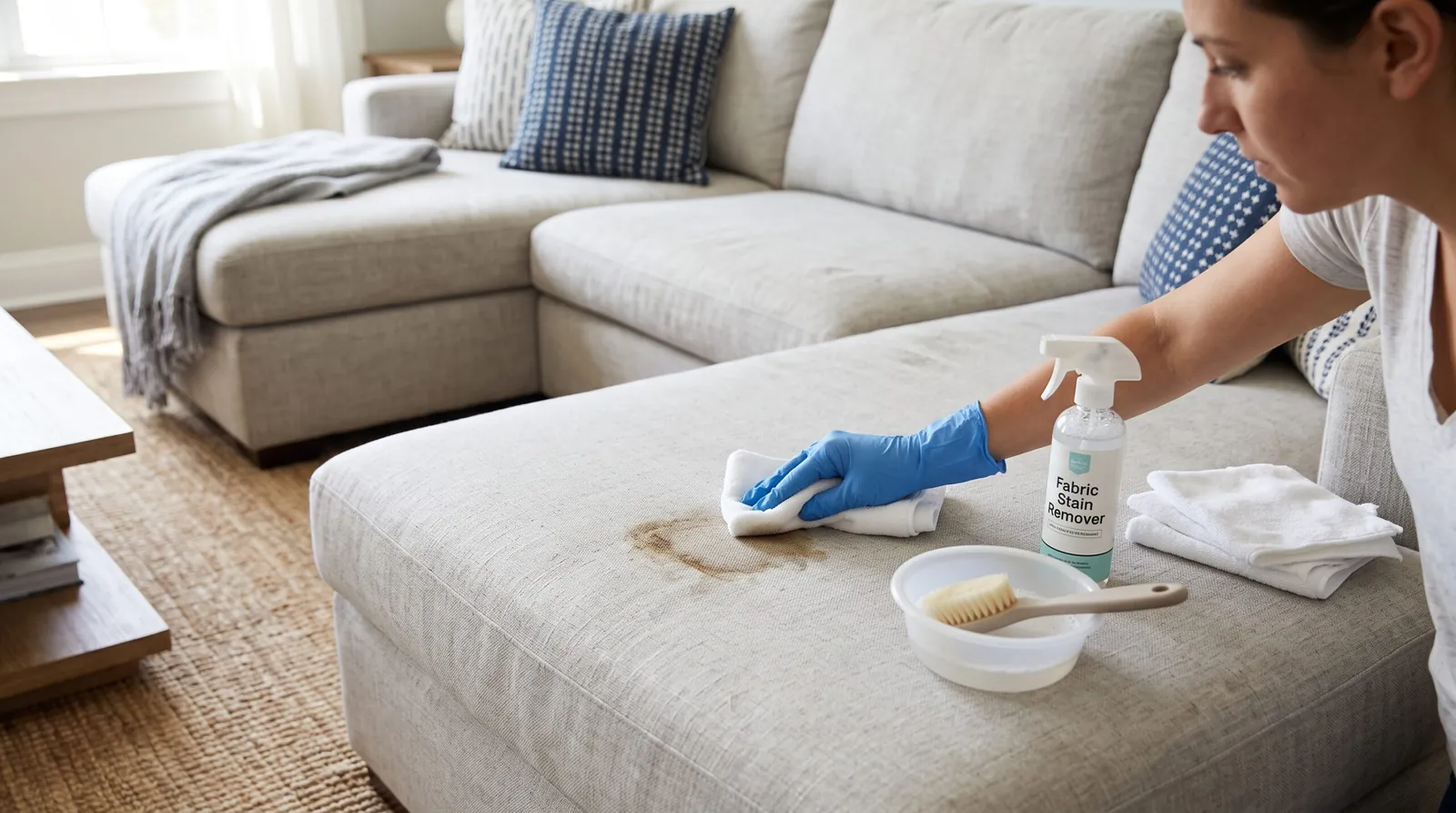
When to call a professional
A sectional is often the most-used piece of furniture in the room. It is where families gather, guests sit, pets nap, and people relax at the end of the day. Even when the fabric does not look visibly dirty, upholstery fibers can hold fine dust, dander, oils, and dry soil that slowly dull the appearance of the couch.
The size and shape of a sectional make routine upkeep harder. Individual sections may be pushed tightly together, creating gaps where debris accumulates. Chaise sections and oversized cushions receive concentrated use, while back cushions and arms develop uneven discoloration from skin oils and hair products. Vacuuming helps with surface debris, but it does not remove the buildup beneath the fabric.
That buildup matters for appearance and comfort. Ground-in soil can make upholstery feel rougher and cause colors to look less even. Pet odors and food spills can linger long after the visible spot has faded.
A professional sectional sofa cleaning service should begin with an inspection, not a one-size-fits-all machine treatment. Upholstery fabrics can include synthetic microfiber, cotton blends, linen, velvet, wool, leather, or delicate designer materials. Each has different cleaning requirements, and using the wrong amount of moisture or the wrong solution can cause browning, shrinkage, texture changes, or color transfer.
A trained technician typically identifies the fabric type and checks for existing wear, loose seams, fading, prior stain treatments, and manufacturer cleaning codes when available. This step helps set realistic expectations. For example, a fresh coffee spill often responds very well to professional treatment, while an old stain that has been heat-set or repeatedly treated with household products may leave some permanent discoloration behind.
After inspection, the upholstery is usually vacuumed to remove loose dry soil. A fabric-safe pre-treatment may then be applied to areas with body oils, food residue, pet accidents, or tracked-in dirt. Agitation helps loosen soil without aggressively scrubbing delicate fibers.
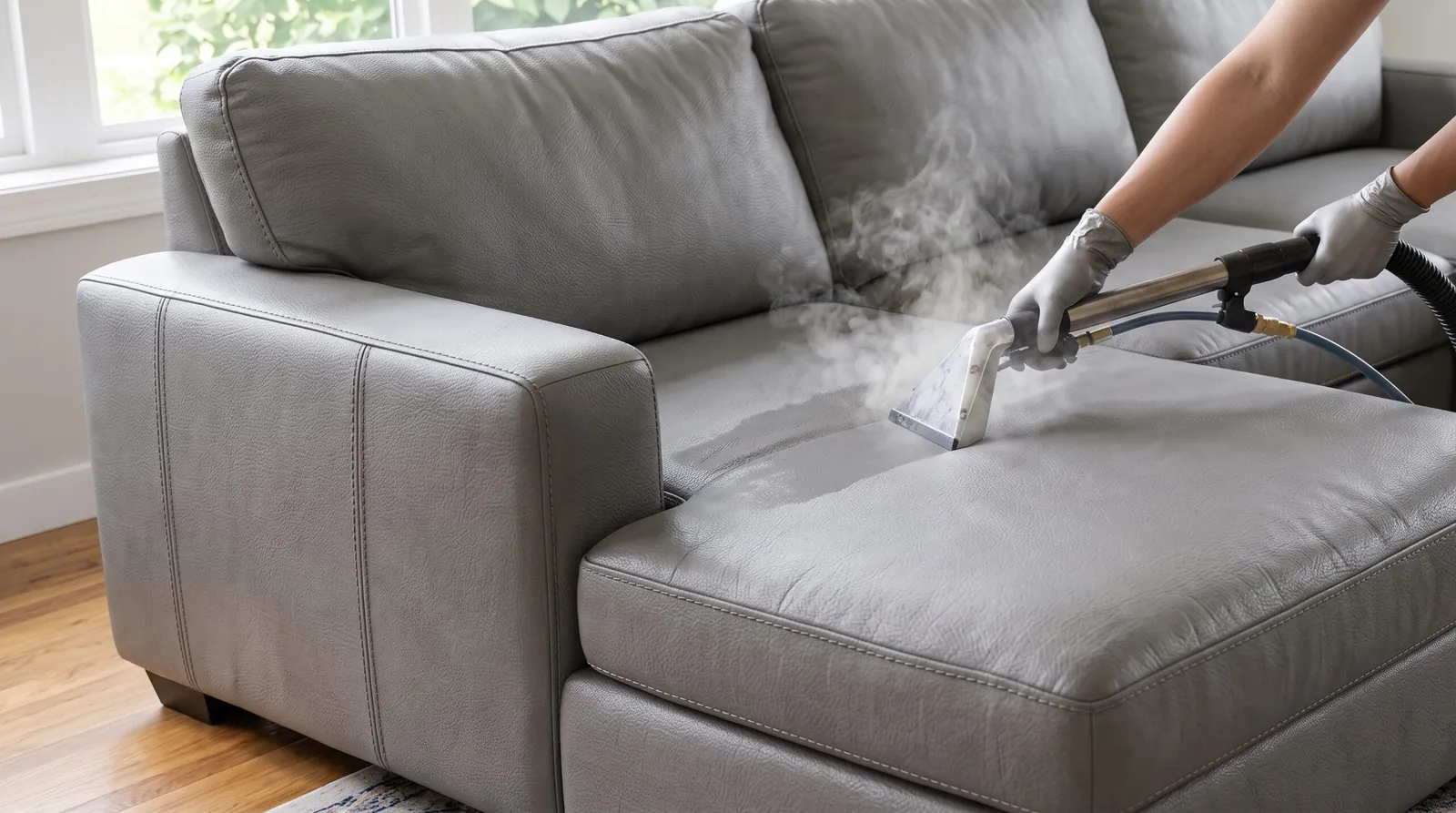
The extraction method is selected based on the material. Steam cleaning and hot-water extraction can be highly effective for many durable upholstery fabrics because they flush away suspended soil and residues. Low-moisture cleaning may be the better choice for sensitive textiles, pieces that need faster dry times, or furniture where excess moisture could be a concern. Ask which cleaning products will be used and how long the furniture needs to dry, especially in homes with children and pets.
The final step should include grooming the fabric where appropriate and a clear explanation of drying time. Proper airflow, room temperature, humidity, and fabric thickness all affect drying. Most upholstered sectionals dry within several hours, but thick cushions or humid coastal conditions can take longer.
Treating spills and stains
Professional cleaning produces the best results when spills are addressed early, but older issues are still worth evaluating. Common upholstery concerns include food and beverage spills, makeup, ink, body oils, pet stains, and odor buildup from pets or smoke.
Not every mark is a removable stain. Some are actually dye loss, fabric wear, sun fading, or damage from harsh spot cleaners. A trustworthy technician will not promise a perfect result before examining the fabric. Instead, they should explain what is likely to improve, what may remain, and whether additional stain treatment is appropriate.
Odor removal also requires more than covering the smell with fragrance. If a pet accident reached the cushion filling or an odor source is embedded below the surface, the cleaner may need to treat more than the visible fabric. Surface cleaning can improve general freshness, but deep odor problems sometimes require targeted treatment and may have limits depending on how long the contamination has been present.
Preparing Your Sectional for Cleaning
A little preparation helps the appointment go smoothly and gives the technician access to the areas that need attention. Remove blankets, decorative pillows, toys, and personal items from the sofa. If possible, clear a path from the entry to the room so equipment can be brought in without disrupting the rest of your home.
It also helps to point out specific concerns before cleaning starts. Mention the location of pet accidents, spills, recurring odors, or stains that have already been treated. Be honest about what was used on the spot.
You do not need to move a large sectional out of the room in most cases. An experienced in-home upholstery cleaner can work around the furniture layout and carefully clean the accessible surfaces. If the sectional is modular, ask whether each piece can be separated for better access to seams and crevices.
How often to clean
For many households, professional upholstery cleaning every 12 to 18 months is a sensible maintenance schedule. The right frequency depends on how the sofa is used. A lightly used formal-room sectional may need less frequent service, while a family-room couch with pets, kids, or daily use may benefit from cleaning every 6 to 12 months.
Homes near busy streets, construction zones, or areas affected by dust and outdoor air quality may also see faster soil buildup. In Los Angeles, open windows, frequent entertaining, and indoor-outdoor living can bring more fine dust and debris into upholstered furniture than homeowners expect.
Between professional visits, vacuum the sofa weekly using an upholstery attachment, including seams and under removable cushions. Blot fresh spills right away with a clean white cloth rather than rubbing them deeper into the fibers. Avoid saturating the area with store-bought cleaners unless you know they are approved for your fabric. Too much product can leave a sticky residue that attracts more dirt.
Related service
Upholstery cleaningFamily-owned, based in Beverly Hills, serving Los Angeles County and approved Orange County communities.
Recent Go4Cleaning work
Photos from Go4Cleaning jobs, taken by our own crew.
Common questions
How long does a sectional take?
Most take between one and three hours depending on section count, fabric and soil level.
Can you clean it without moving it?
Often yes, but pulling sections apart gives a noticeably better result on the sides and corner. We will only move what is safe for the floor and the frame.
Do you clean the cushion interiors?
We clean the covers in place and the deck beneath. We do not remove and wash covers separately, because many shrink.
Want this handled properly?
Call or text (866) 631-2244 for a straightforward quote, or send photos with your request.
Cleaning appointments 8:00 a.m. – 8:00 p.m. daily. Calls, messages and scheduling 24/7.