Upholstery
What Upholstery Fabric Is Most Durable? 7 Options That Last
We see the same sofas years after purchase, which gives a different view of durability than a showroom does. Here is how the common fabrics actually hold up in Los Angeles homes — and, just as importantly, how each one behaves on cleaning day.
By Go4Cleaning Team · Updated August 26, 2026 · 9 min read
Quick answer
Solution-dyed performance weaves and tight microfiber or polyester blends hold up best against kids, pets and daily use, and they tolerate cleaning better than delicate fibers like velvet, bouclé or linen. Whatever fabric you choose, keep the manufacturer's cleaning code label — it determines what can safely be used on it later.
1. Solution-dyed acrylic and performance weaves
The colour is built into the fiber rather than applied to the surface, so these resist fading and tolerate cleaning better than almost anything else. They are the safest choice for a sunny room, a household with dogs, or anyone who expects to clean a sofa more than once a year.
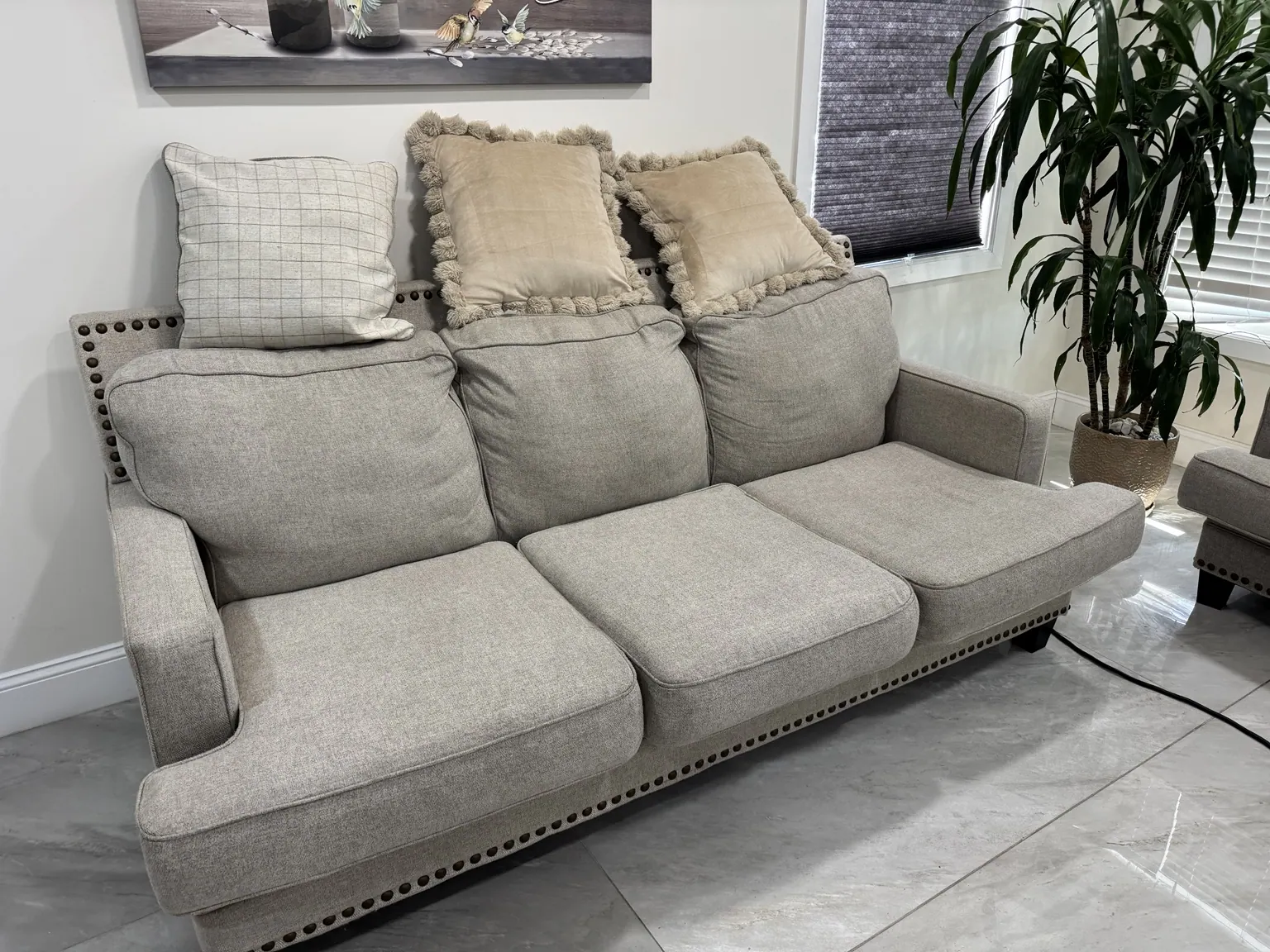
2. Microfiber and polyester
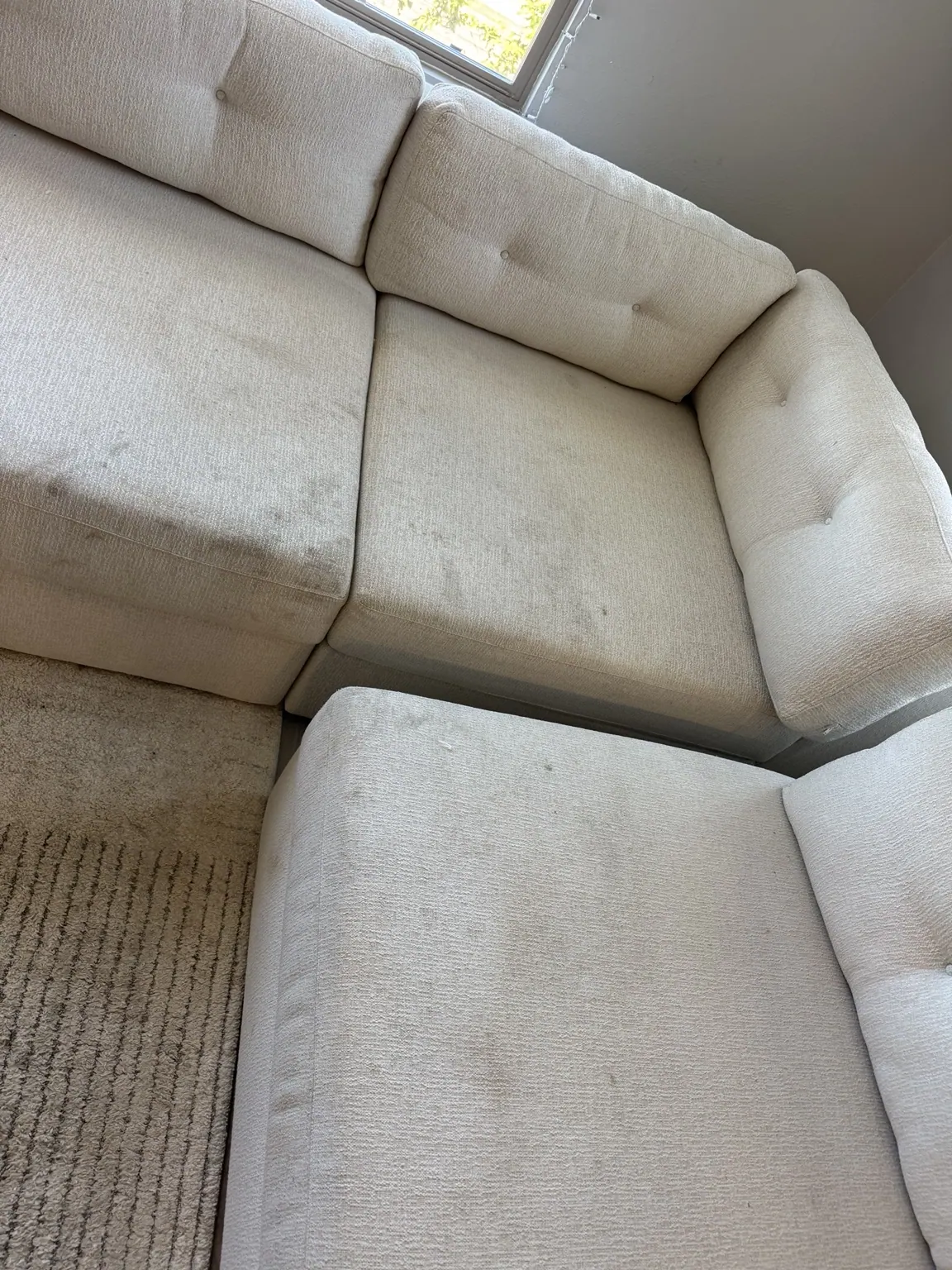
Tight, inexpensive, resistant to abrasion and generally forgiving. Polyester holds body oils more readily than some fibers, so arm tops and headrests darken over time — but those areas clean up well when treated properly.
3. Leather and 4. faux leather
Real leather is very durable and ages well if it is conditioned rather than scrubbed. Faux leather varies enormously by quality: good ones last years, cheap ones delaminate and peel at the seat front within two or three, and peeling cannot be cleaned away.
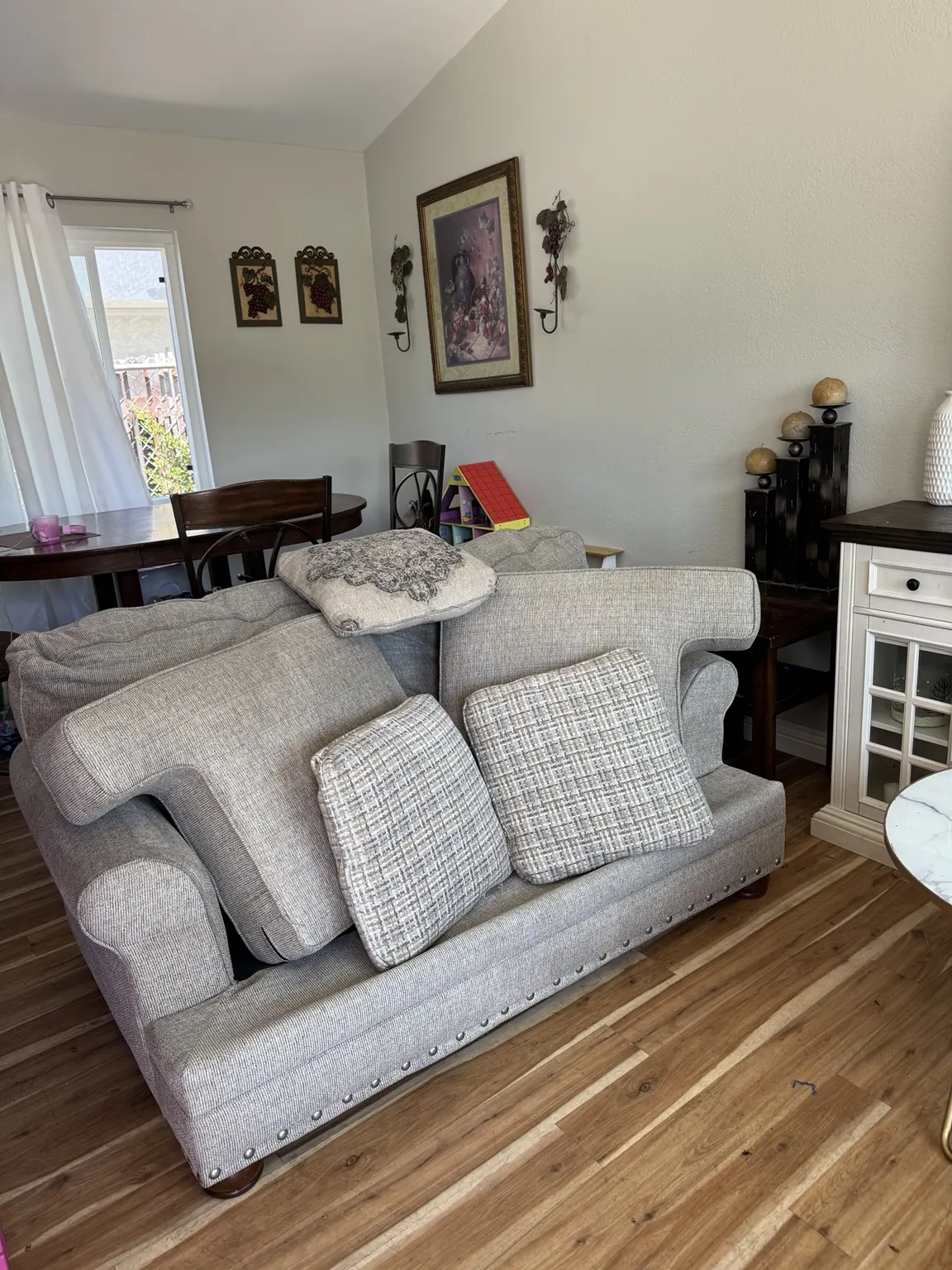
5. Canvas and cotton duck, 6. wool blends
Heavy cotton canvas is tough but absorbent, so spills need attention quickly. Wool blends are naturally resilient and hide soil well, but they need pH-appropriate chemistry — the wrong cleaner is far more damaging to wool than the dirt was.
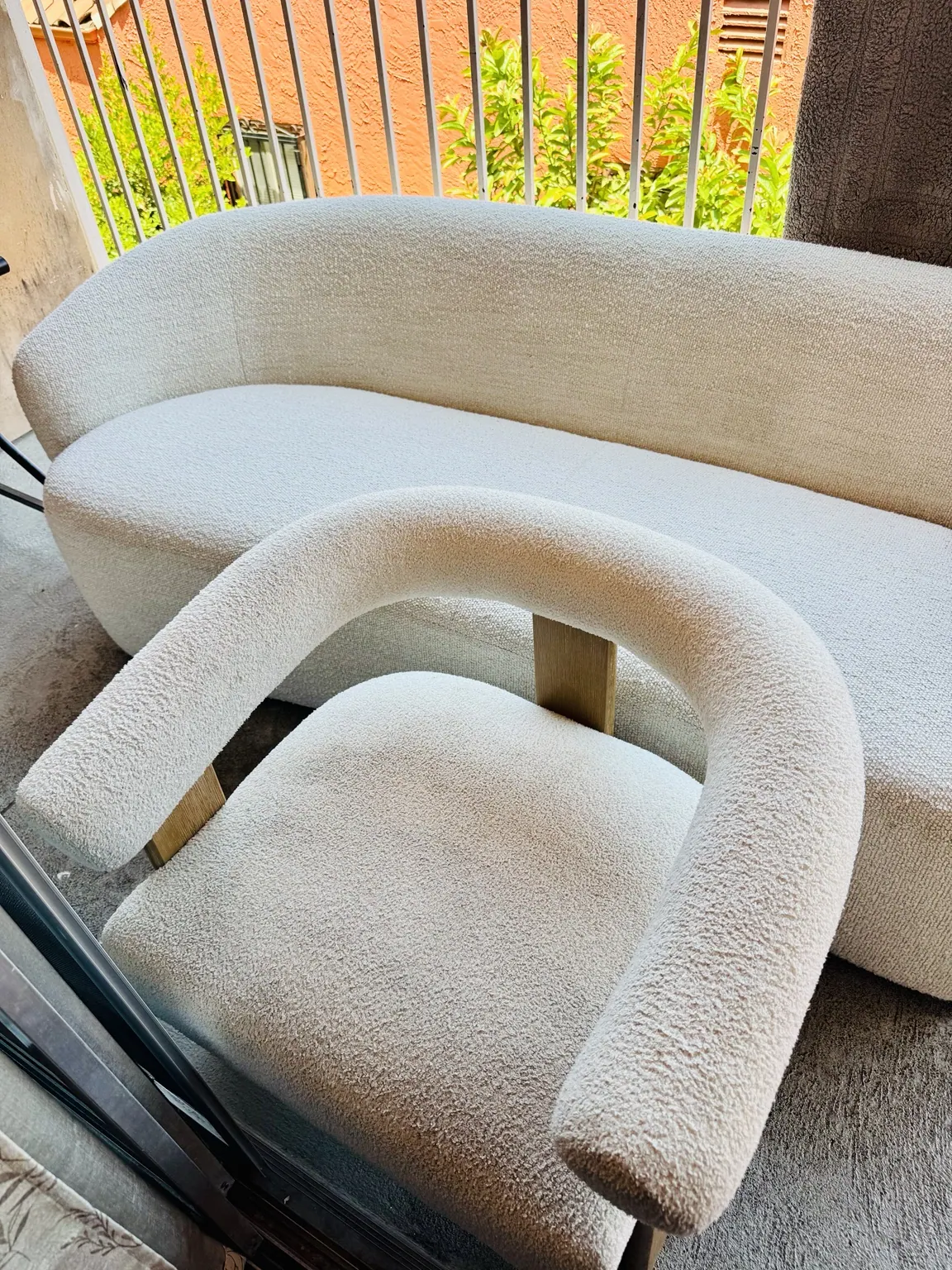
7. The ones that look great and wear hard
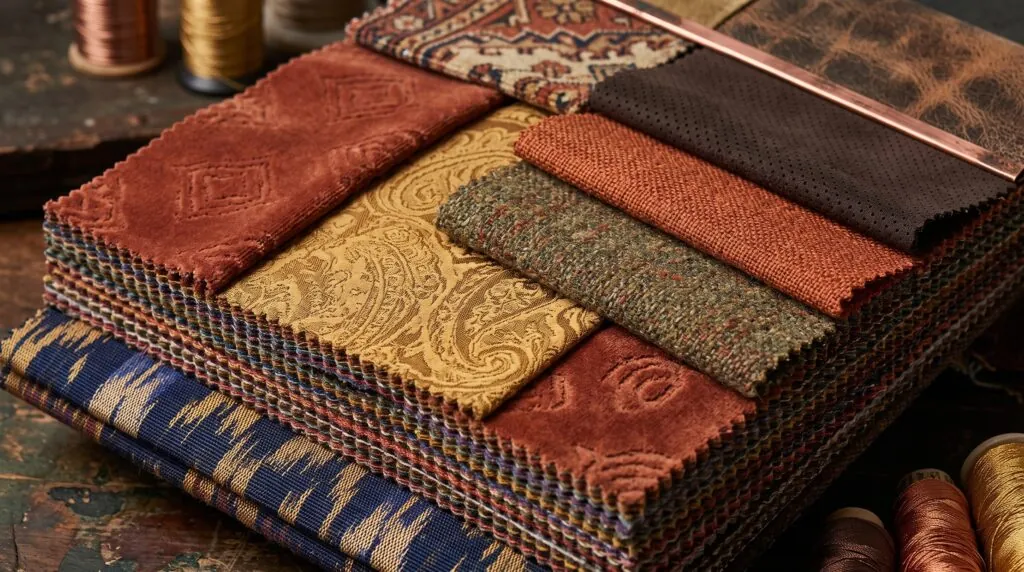
Velvet, chenille, bouclé and linen blends are beautiful and we clean plenty of them. They are not the low-maintenance choice: nap crushes, loops snag on claws, and linen and viscose mark with moisture. If you love them, buy them knowing they need gentler care.
Whatever you choose, keep the manufacturer's cleaning code — W, S, WS or X. It tells whoever cleans it what is safe, and it is the single most useful thing you can hold on to.
Why this fabric needs extra care
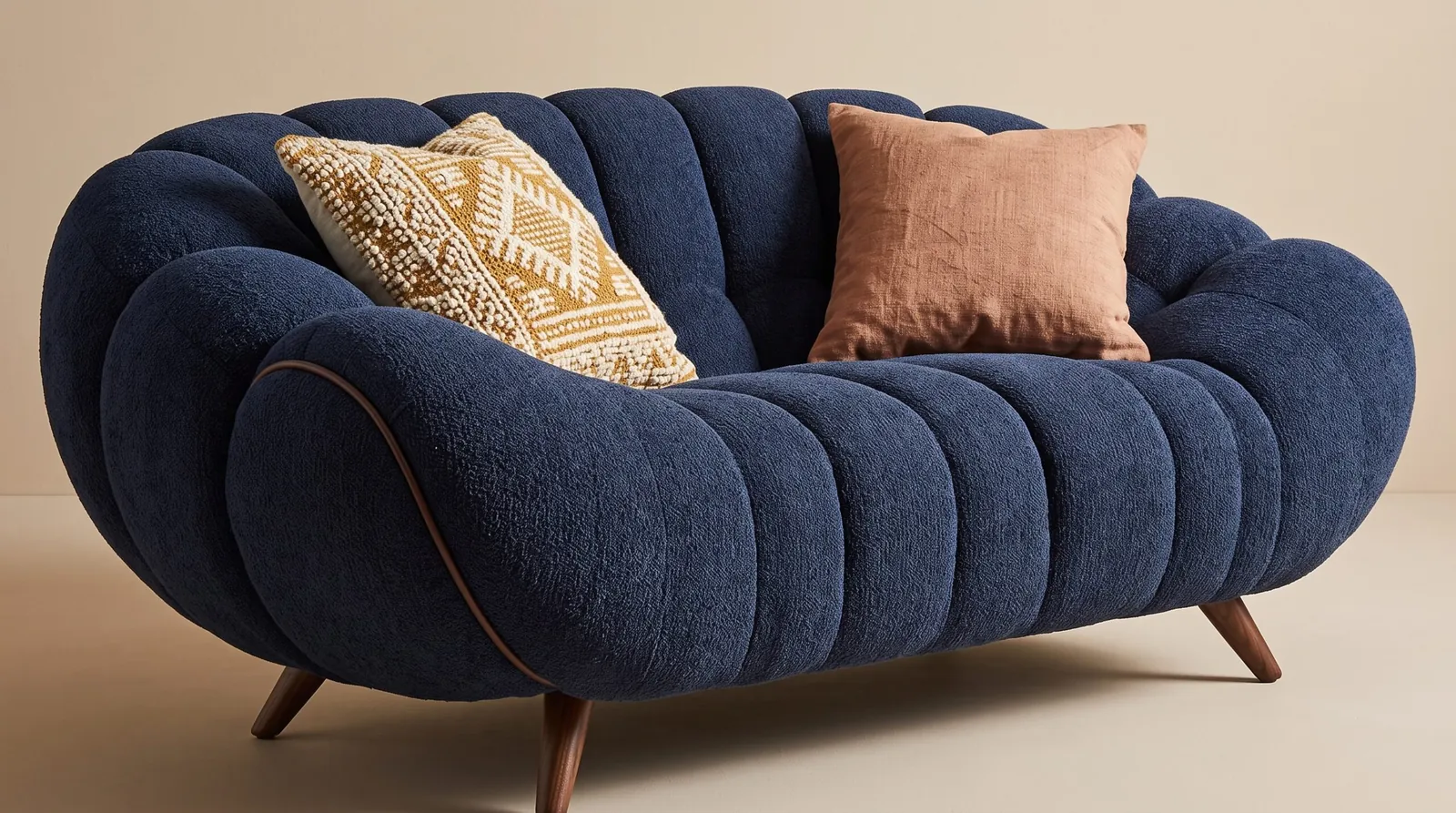
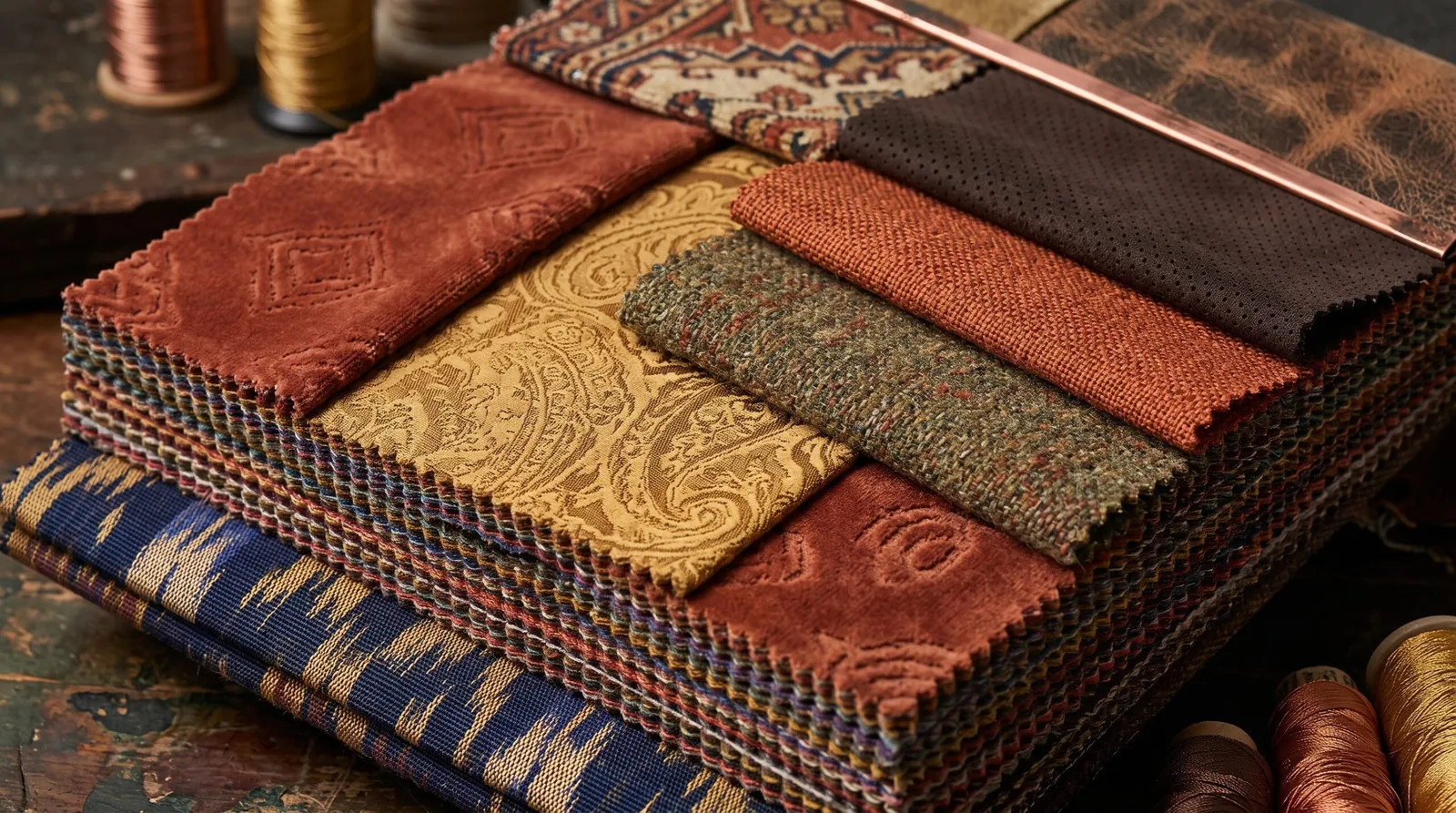
Bouclé is a textured fabric made with looped yarns and may contain materials such as wool, cotton, linen, or chenille-style fibers. Those raised loops give the fabric its signature appearance, but they also collect dust, pet hair, lint, and debris more easily than smooth upholstery.
Because the loops can snag or fray, aggressive scrubbing is one of the biggest mistakes you can make.
Think of bouclé like a delicate knitted sweater: it needs a light touch. Before cleaning, check the upholstery care label, usually found beneath a cushion. The cleaning code will tell you whether your furniture can safely be cleaned with water, solvents, or vacuuming only.
Vacuuming safely
Start by removing surface dust, crumbs, lint, and pet hair with a vacuum equipped with a soft brush attachment.
Move gently in the natural direction of the fabric’s loops. Avoid dragging the vacuum aggressively across the surface, as this can catch and pull the yarn.
For small amounts of lint or loose fibers, a soft fabric brush can provide additional cleaning without putting unnecessary stress on the weave.
Check the cleaning code first
Before applying any product, locate the furniture’s care tag. Common upholstery codes include:
W — Water-based cleaning products are generally safe.
WS — Either water- or solvent-based cleaning may be used.
X — Vacuuming only; liquids and cleaning products should be avoided.
Never skip this step. Using the wrong cleaning method can result in discoloration, shrinking, water marks, or permanent fabric damage.
Treating spills and stains
For bouclé labeled W or WS, mix a small amount of mild upholstery cleaner with warm water according to the product’s instructions.
Instead of saturating the couch, create a light foam and apply the foam to a clean microfiber cloth. Gently blot the stained area, starting around the outside and gradually working toward the center.
Avoid vigorous rubbing or circular scrubbing. Excessive friction can disturb the loops and permanently change the texture.
Drying and residue
Once the stain has been treated, use another clean microfiber cloth lightly dampened with plain water to pick up remaining cleaning residue.
Do not soak the fabric. Excess water can penetrate deep into the cushion and may contribute to shrinking, stiffness, discoloration, or lingering moisture.
Allow the couch to air-dry completely before sitting on it or replacing cushions.
What to avoid
To protect the fabric’s texture and appearance, avoid:
Strong chemicals that are not formulated for upholstery
Using a steam cleaner too close to the fabric
Machine-washing removable covers without checking the manufacturer’s instructions first
When it comes to bouclé, gentle cleaning is almost always the safer approach.
How it compares with other fabrics
Bouclé requires somewhat different care from smooth upholstery because of its raised loops. Velvet, for example, can also be sensitive to crushing and pressure, although its pile behaves differently from bouclé’s looped construction.
If your home contains several types of upholstered furniture, avoid using the same cleaning method on every piece. Always consider the material, cleaning code, and manufacturer’s recommendations before choosing a product or technique.
How often to clean
Bouclé does not necessarily require frequent deep cleaning, but regular maintenance can prevent dirt and debris from becoming embedded in the loops.
Weekly: Vacuum gently with a soft brush attachment.
Every 6—12 months: Consider a deeper cleaning for normally used furniture.
Every 4—6 months: More frequent cleaning may be appropriate for homes with pets, children, or heavy daily use.
Spot-clean spills as soon as possible rather than allowing them to dry and become more difficult to remove.
Restoring the nap or pile
Sometimes the loops can appear compressed after cleaning or regular use. Resist the temptation to aggressively brush the fabric.
Instead, allow the couch to dry completely, then gently lift flattened areas using your fingertips or an extremely soft-bristled brush. Work slowly in small sections and follow the natural direction of the loops.
Never pull individual loops or try to force the fabric back into shape. Bouclé yarn can snag and unravel if handled too aggressively.
When to call a professional
DIY cleaning can work well for light surface dirt and minor stains, but some situations call for professional help. Deep grease stains, wine spills, ink, pet accidents, and heavily soiled upholstery can be difficult to treat without specialized equipment and experience.
Professional upholstery cleaners can select an appropriate low-moisture cleaning method and fabric-safe products based on the material and care requirements.
For delicate bouclé furniture, professional cleaning can provide a deeper refresh while minimizing the risk of damaging the fabric’s distinctive texture.
Keeping it looking good
Bouclé furniture can stay beautiful for years with the right maintenance. Vacuum regularly, treat spills gently, follow the upholstery cleaning code, and avoid excessive moisture or aggressive scrubbing.
When you’re dealing with a delicate or heavily stained bouclé couch, taking a careful approach—or calling a professional—can help preserve both the cleanliness and the textured look that makes bouclé so appealing.
What Upholstery Fabric Is Most Durable? 7 Tough Options That Last for Years
Durability refers to how well a fabric performs under everyday use. A long-lasting upholstery fabric should:
Handle friction and frequent use without wearing through
Have a high abrasion rating (often listed as rub count or double rubs )
When shopping, look for fabrics rated at 15,000 double rubs or more for frequently used furniture. Many high-performance fabrics exceed 30,000 double rubs.
Construction matters too. A tightly woven fabric is usually more durable because its fibers are packed closely together and better able to withstand abrasion.
1. Microfiber: Practical and Extremely Durable
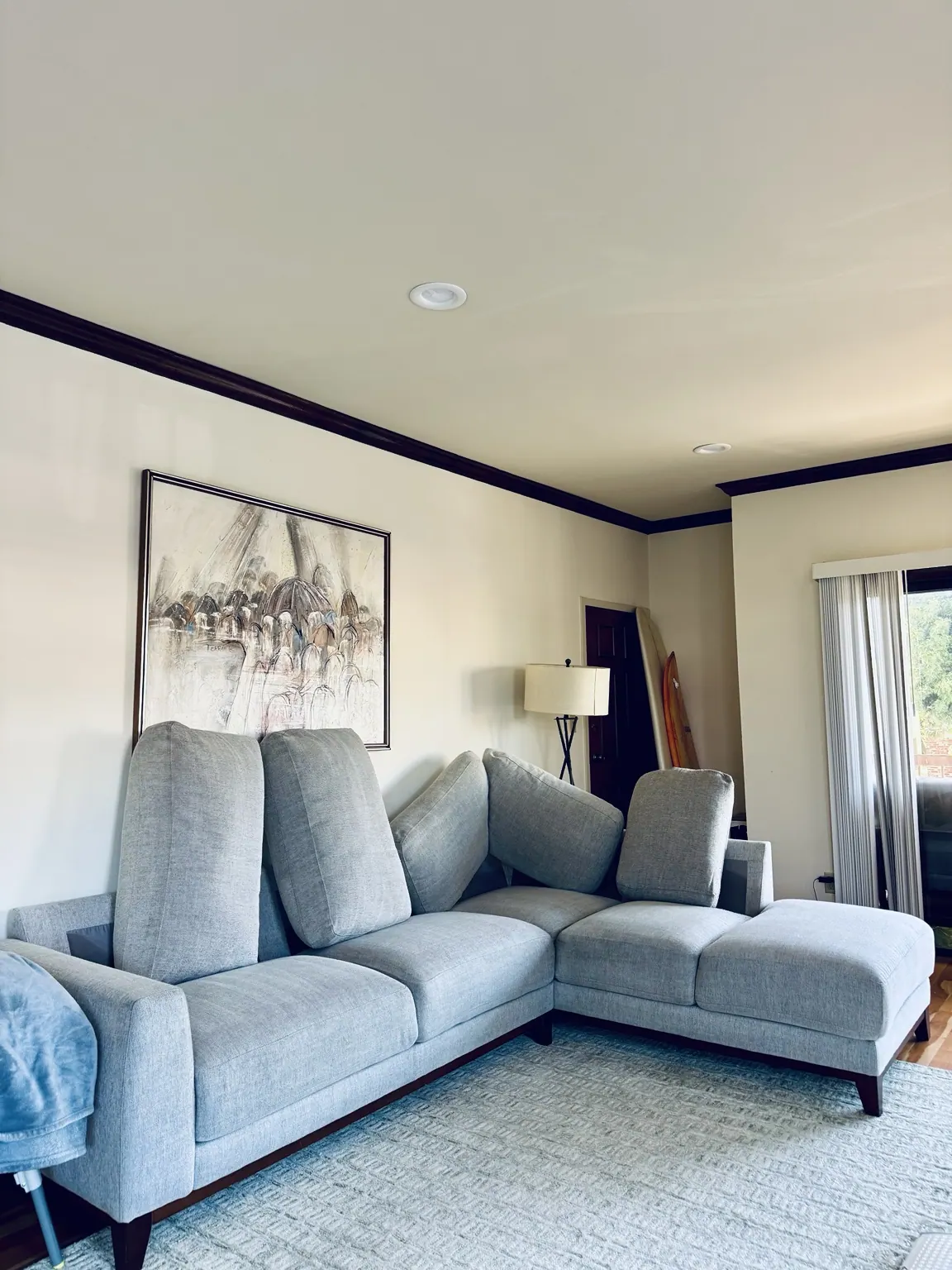
Microfiber is one of the most family-friendly upholstery choices available. Made from very fine polyester fibers, it is tightly woven, which helps it resist stains, dust, and everyday wear.
For a sofa that gets used every day, microfiber is one of the safest and most practical choices.
2. Crypton: Built-In Performance Protection
Crypton is a true high-performance upholstery fabric designed for heavy residential and commercial use.
Its fibers are treated to resist liquids, stains, odors, and moisture, making it ideal for homes with children or pets. Crypton fabrics typically have very high abrasion ratings and strong fade resistance.
If your priority is maximum durability with minimal worry, Crypton is one of the best options available.
3. Leather: Long-Lasting and Timeless
Although leather is not a woven fabric, it is often included in upholstery comparisons because of its exceptional longevity.
Quality leather can last for decades with proper care. Spills usually remain on the surface rather than soaking in, and the material develops a rich patina over time.
Best for: modern interiors, high-end furniture, and homeowners who appreciate classic durability.
Keep in mind that leather can scratch more easily in homes with active pets.
4. Polyester Blends: Strong and Dependable
Polyester is frequently blended with cotton or other fibers to improve strength while maintaining a softer feel.
For an affordable fabric that balances comfort and durability, a polyester blend is an excellent all-around choice.
5. Acrylic: Excellent Fade Resistance
Acrylic was developed as a wool alternative with superior color retention. In sunny Los Angeles homes, UV resistance is especially important.
It is a smart option for spaces with large windows or strong natural light.
6. Olefin: Tough and Moisture Resistant
Olefin (polypropylene) is known for its strength and moisture resistance. Originally popular for outdoor furniture, it also performs very well indoors.
For a heavily used sofa or family-room chair, olefin is a strong contender.
7. Tightly Woven Cotton or Linen Blends
Pure cotton and linen are softer and more breathable, but they can wrinkle and wear faster. When tightly woven or blended with polyester, they become significantly more durable.
Better resistance to wear than pure linen or cotton
They work especially well for dining chairs, slipcovered furniture, and accent seating where comfort and appearance are equally important.
How to Choose the Right Fabric for Your Home
The best upholstery fabric depends on your lifestyle.
Do you have pets or young children? Choose a stain-resistant performance fabric.
Is the furniture in direct sunlight? Prioritize fade resistance.
Will it be used every day? Look for a high rub count and tightly woven construction.
Do you prefer natural fibers or easy-care synthetics?
Considering usage, location, and maintenance needs will lead to a better long-term choice than selecting fabric by appearance alone.
Cleaning Is Just as Important as Fabric Choice
Even the toughest upholstery fabric will wear out faster if dirt, oils, and spills are allowed to build up. Regular vacuuming and prompt spot cleaning help preserve fiber strength and appearance.
Professional upholstery cleaning can remove embedded soil and extend the life of your furniture. At Go4Cleaning, we select cleaning methods for the fabric, from delicate natural fibers to high-performance materials such as Crypton and microfiber.
If you’ve recently invested in new upholstered furniture—or are planning your next upholstery project—consistent maintenance is one of the best ways to ensure it truly lasts for years.
Related service
Upholstery cleaningFamily-owned, based in Beverly Hills, serving Los Angeles County and approved Orange County communities.
Recent Go4Cleaning work
Photos from Go4Cleaning jobs, taken by our own crew.
Common questions
What is the best fabric with dogs?
A tight, solution-dyed performance weave. Avoid loop constructions like bouclé, where claws pull threads.
Is a higher rub count always better?
It measures abrasion resistance, not stain or fade resistance. A high rub count fabric can still mark badly with water.
Is fabric protector worth applying?
It buys you time to blot a spill before it soaks in. It is not a shield, and it wears off with use and cleaning.
Want this handled properly?
Call or text (866) 631-2244 for a straightforward quote, or send photos with your request.
Cleaning appointments 8:00 a.m. – 8:00 p.m. daily. Calls, messages and scheduling 24/7.