Upholstery
Professional Sofa Stain Removal — What Actually Happens
No honest cleaner can promise every stain comes out. What a professional brings is diagnosis: knowing what the spill is, what the fabric is, and which of the two will give first. Here is how we work a sofa.
By Go4Cleaning Team · Updated August 26, 2026 · 7 min read
Quick answer
No cleaner can promise every stain will disappear. A professional identifies the stain type and the fabric's cleaning code, tests an unseen area, and matches a fabric-appropriate product with controlled moisture and full recovery. Some marks — sun fading, bleach spots, old dye stains — are permanent colour loss that cleaning cannot reverse.
Stains fall into a few families
- Water-soluble — juice, coffee, soda, most food. Usually the most responsive.
- Oil-based — body oils, food grease, cosmetics. Needs a solvent-side approach.
- Protein — milk, vomit, blood, pet accidents. Needs gentle, cool treatment; heat can set them.
- Dye and tannin — wine, tea, ink, some plant material. Depends heavily on the fabric's own dye stability.
- Damage, not a stain — bleach spots, sun fading, abrasion. These are colour loss and cleaning will not restore them.
The fabric decides what is possible
A solution-dyed synthetic tolerates a great deal. A silk or viscose blend tolerates almost nothing. On some fabrics the safest correct answer is a light, even clean of the whole panel rather than an aggressive attack on the spot.
We check the cleaning code, test in a hidden area and tell you honestly if we think a mark will only improve rather than disappear — before we start, not after.

What we do on site
- Inspect the piece, identify fiber and cleaning code, note pre-existing damage with you.
- Dry-soil removal with an upholstery tool.
- Test chemistry in a concealed area.
- Pre-treat spots with the right family of product and give it dwell time.
- Clean panel to panel with controlled moisture and full recovery.
- Groom the nap, then set up airflow and give you a realistic dry time.
Things that make a stain harder to fix
- Scrubbing, which pushes the spill deeper and distorts the weave.
- Heat on a protein spill, which sets it.
- Over-the-counter spot cleaners left in the fabric — the residue attracts soil and creates a dark patch later.
- Time. Fresh is always easier than three months old.
Getting a straight quote
Send photos of the piece and the marks with your request and we can usually give a realistic number and an honest expectation before we arrive. If we think a mark is permanent, we will say so rather than sell you a treatment that cannot work.
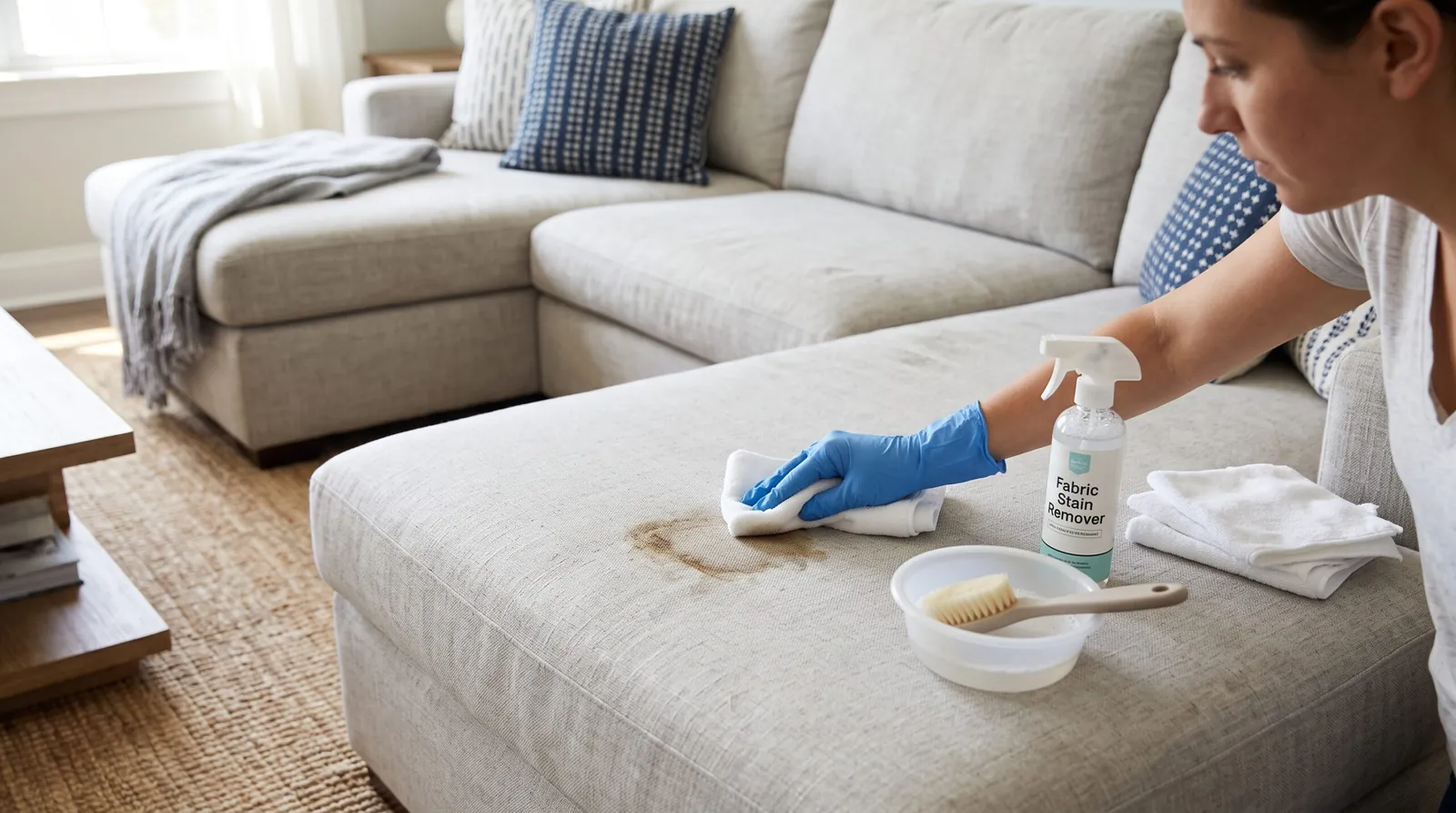
Treating spills and stains
A couch is not a carpet, and it should not be cleaned like one. Upholstery comes in a wide range of materials, including natural fibers, synthetic blends, microfiber, velvet, linen, cotton, leather, and delicate designer fabrics. Each material reacts differently to moisture, heat, agitation, and cleaning solutions.
The stain itself also matters. Red wine, coffee, grease, ink, makeup, urine, and food stains do not respond to one universal product. Some need enzyme treatment to break down organic residue. Others need specialized spotters that lift oils or dyes. Using the wrong cleaner may spread the stain, set it deeper into the fibers, leave a water ring, or damage the fabric’s color and texture.
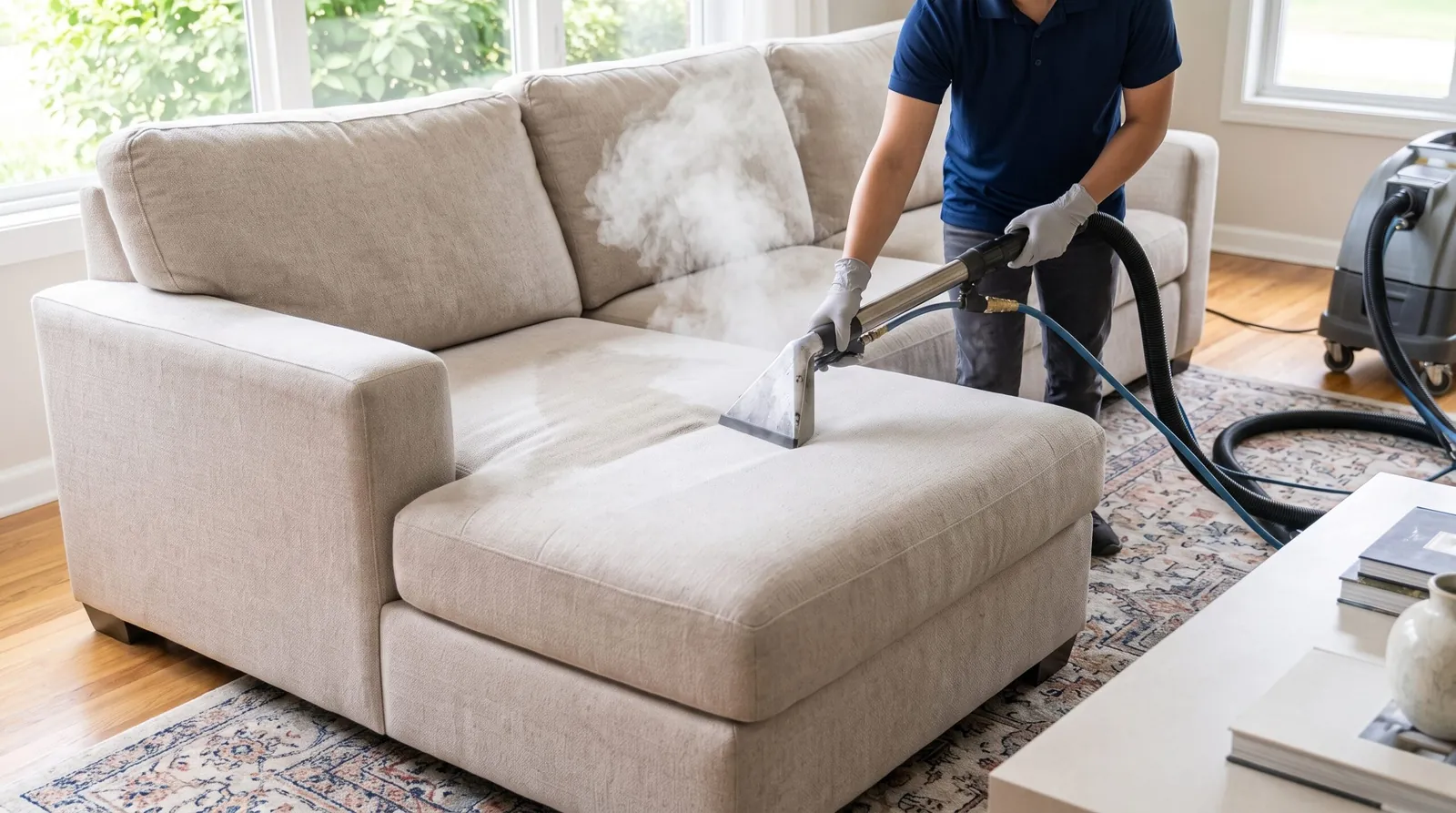
This is where professional sofa stain removal offers value beyond a rental machine or a spray bottle. A trained technician begins by identifying the fabric and the likely source of the stain. From there, the cleaning method is matched to the material, condition, and level of soiling.
A quality upholstery cleaning appointment should feel clear and organized from the start. Before treatment begins, the technician should inspect the sofa, discuss any known spills or odor concerns, and point out areas where complete removal may not be realistic. Honest expectations are part of good service, especially with old stains, sun-faded fabric, or permanent dye damage.
Cleaning starts with a fabric evaluation. The technician checks the upholstery type, manufacturer care code when available, dye stability, and the condition of the cushions and frame. A discreet test area helps confirm that the selected solution is safe for the fabric.
This step protects furniture that cannot tolerate heavy moisture or aggressive cleaning. Delicate fabrics may require low-moisture methods, while durable synthetic upholstery may benefit from hot-water extraction. There is no single best method for every sofa.
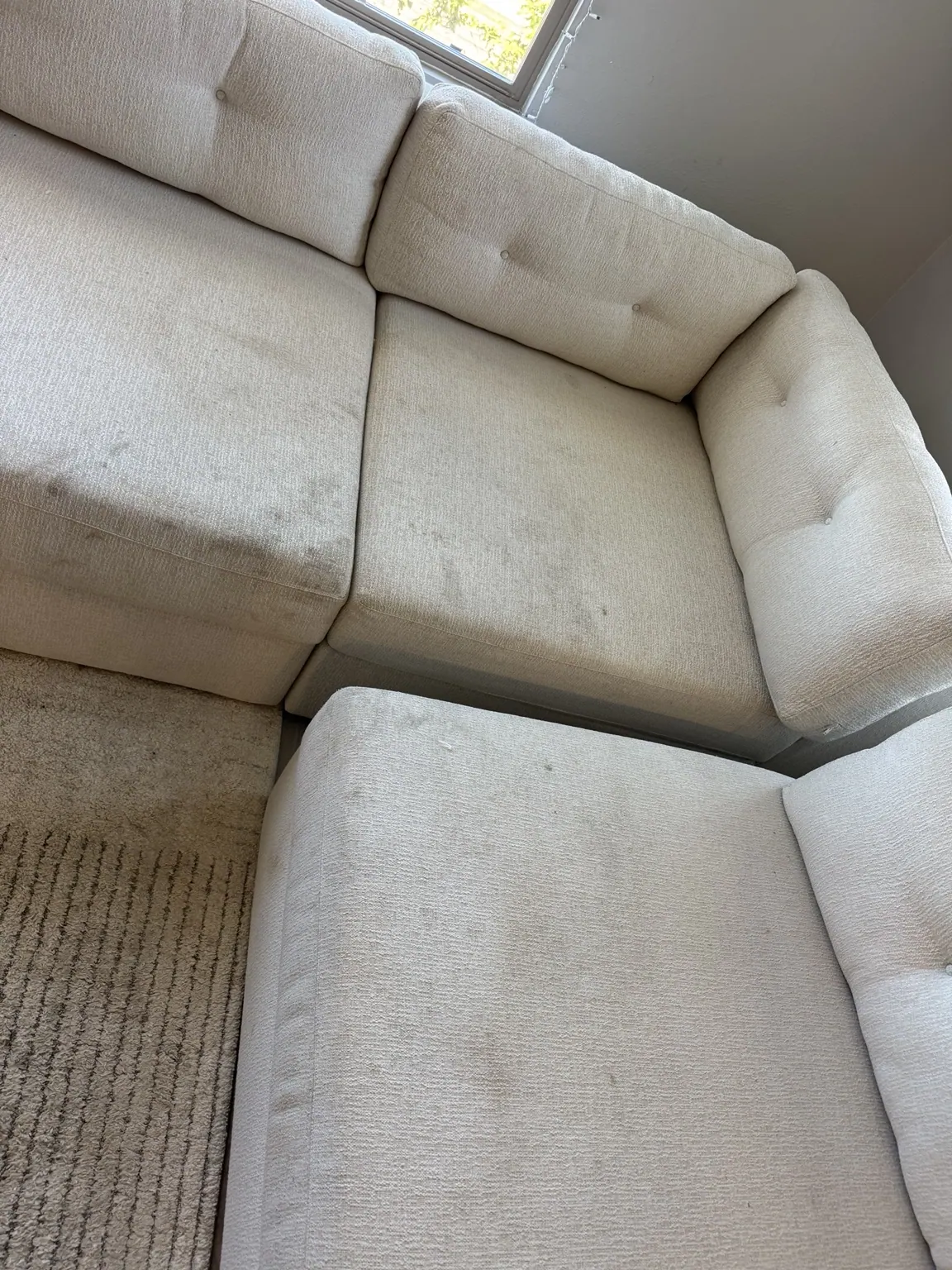
Many fresh and moderately set stains improve significantly with prompt treatment. Coffee, tea, food spills, tracked-in dirt, body oils, pet accidents, makeup, and general discoloration are common upholstery concerns that professionals handle regularly.
Grease and oil stains can be especially frustrating because they often darken fabric without looking like a typical spill. They may come from snacks, hair products, lotion, or frequent contact with arms and headrests. These areas need a product that breaks down oily residue before extraction can remove it.
Red wine, juice, and colored beverages are more time-sensitive because dyes can bond with fibers. In these situations, cleaning may reduce the appearance of the damage, but no reputable company should promise complete removal before inspecting the fabric.
This is common in homes with pets, young children, frequent guests, or open windows that bring in dust and outdoor pollutants. High-use seating also absorbs perspiration and body oils gradually, particularly on headrests, arms, and favorite seats.
Professional upholstery cleaning removes embedded soil that vacuuming cannot reach. Cleaning products should be chosen for the fabric, and it is reasonable to ask which products will be used when children and pets use the furniture every day.
Odor removal depends on the source. A surface odor from food or general use may lift during cleaning, while urine or severe moisture damage may require deeper treatment. If contamination has reached the foam or wood frame, additional work may be needed. Clear communication about these limits prevents surprises later.
Targeted Treatment Before Deep Cleaning
Visible spots are usually pre-treated before the full sofa is cleaned. This gives the appropriate solution time to work on the residue instead of relying on excessive scrubbing. Gentle agitation may be used where appropriate, but forceful rubbing is avoided because it can distort fibers and make a spot look fuzzy or worn.
For pet accidents, treatment should address both the stain and the odor source. Surface cleaning alone may make the area look better temporarily while odor-causing residue remains below the fabric.
Drying and residue
After treatment, industry-grade equipment removes loosened soil, cleaning residue, and moisture from the upholstery. Steam cleaning or hot-water extraction can be highly effective on fabrics that can safely handle it. Low-moisture extraction is often the better choice for delicate materials or situations where quicker drying is a priority.
A proper rinse is important. Leaving too much cleaning product behind can attract fresh soil and cause the fabric to feel stiff. Controlled extraction also limits over-wetting, which helps reduce drying time and protects the cushion filling.
What to Do Before Your Cleaning Appointment
The best thing to do after a spill is blot it gently with a clean, white absorbent cloth. Press down to lift liquid, working from the outer edge toward the center. Avoid rubbing, as rubbing pushes the spill farther into the upholstery and can spread it across a larger area.
Do not saturate the cushion with water, vinegar, dish soap, or multiple store-bought products. Mixing cleaners can create residue, discoloration, or a stain that becomes harder to identify and treat. Avoid heat from a hair dryer or steam device unless a fabric specialist has advised it. Heat can set certain stains permanently.
Before the appointment, remove throws, pillows, and personal items from the sofa. If possible, create a clear path to the furniture so the technician can set up equipment efficiently. Let the cleaning team know about prior DIY treatments, pet accidents, delicate fabrics, or stains that have been there for months. That information helps determine the safest approach.
How often to clean
Most homes benefit from professional upholstery cleaning every 12 to 18 months. For rental properties, offices, waiting rooms, and short-term rentals, cleaning frequency depends on traffic and the condition standards expected by guests or tenants.
Waiting until the sofa looks heavily stained can make restoration more difficult. Regular cleaning helps prevent soil from becoming deeply embedded and keeps high-contact areas from developing a dull, gray appearance. It can also help preserve the feel and color of the upholstery over time.
Related service
Upholstery cleaningFamily-owned, based in Beverly Hills, serving Los Angeles County and approved Orange County communities.
Recent Go4Cleaning work
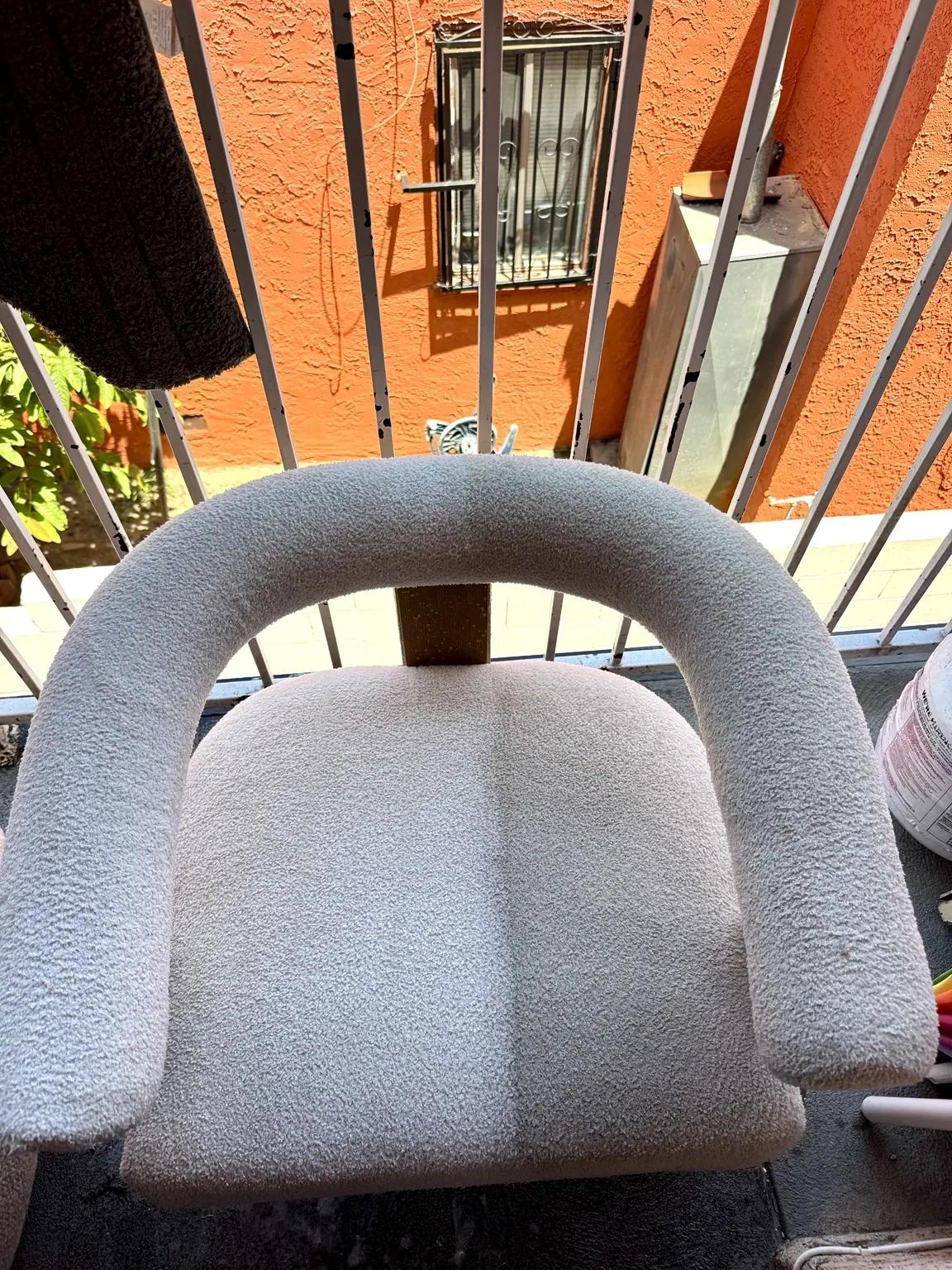
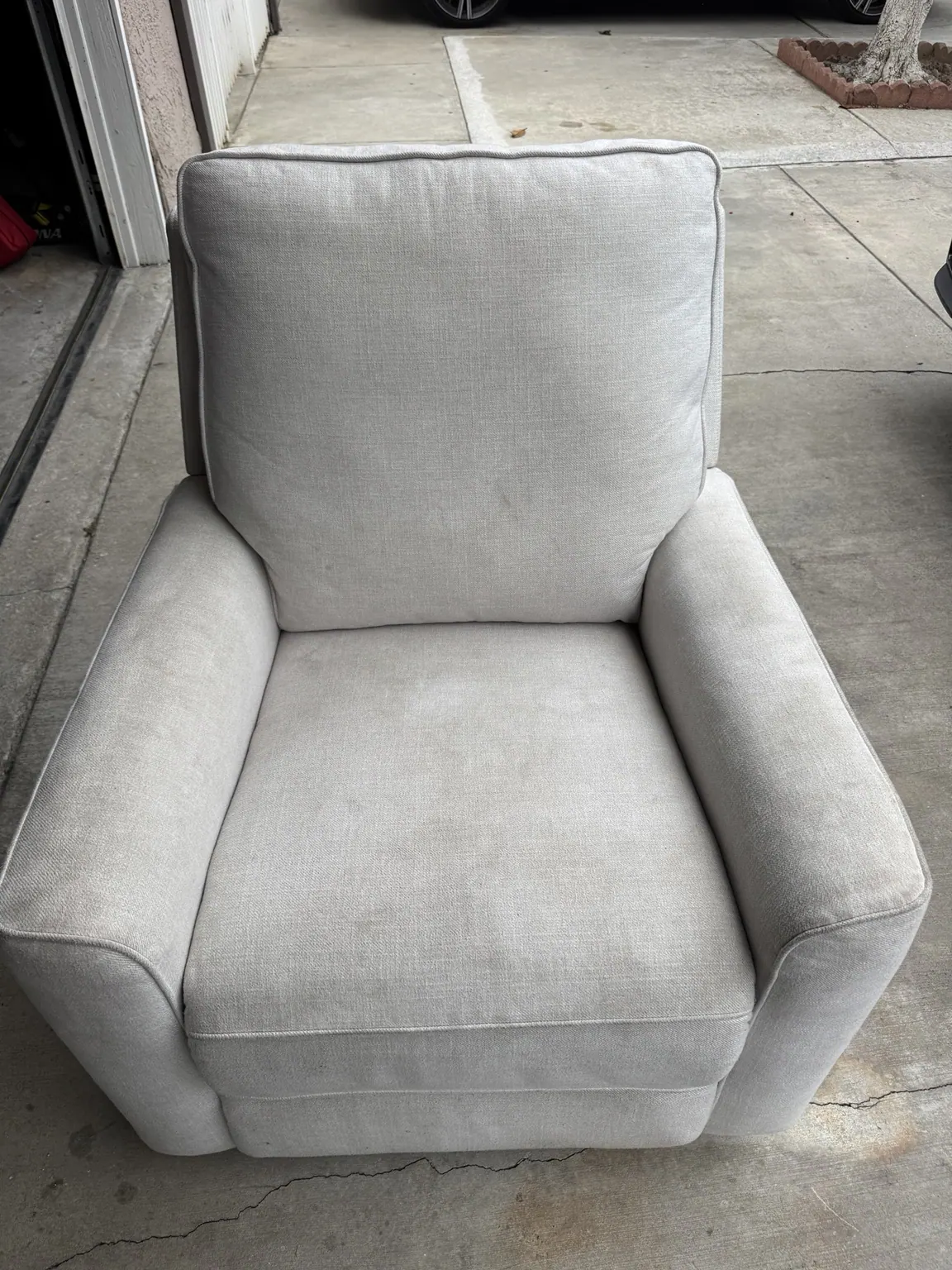
Photos from Go4Cleaning jobs, taken by our own crew.
Common questions
Can you guarantee the stain will come out?
No, and be careful of anyone who does. We can tell you what family the stain belongs to, what the fabric will tolerate, and what improvement is realistic.
Should I try a store-bought spot cleaner first?
Blot fresh spills with a white cloth and plain water if the fabric allows. Heavy spotters often leave residue that makes professional work harder.
Do you clean sectionals and chaise pieces?
Yes — sectionals are priced by the piece and section count, which we confirm before we start.
Want this handled properly?
Call or text (866) 631-2244 for a straightforward quote, or send photos with your request.
Cleaning appointments 8:00 a.m. – 8:00 p.m. daily. Calls, messages and scheduling 24/7.