Water & moisture
Year-Round Carpet Mold Prevention in Long Beach and Coastal LA
Inland Los Angeles dries fast. Long Beach, the South Bay and the beach cities do not. Morning marine layer, closed-up houses and slab floors keep humidity high enough that carpet which is merely damp stays damp, and that is where musty smells start.
By Go4Cleaning Team · Updated August 25, 2026 · 6 min read
Quick answer
Keep indoor humidity moderate, dry spills the same day, and treat any real water intrusion as urgent. The EPA advises drying wet or damp materials within 24–48 hours to reduce the risk of microbial growth. Go4Cleaning performs carpet water extraction and drying; carpet or pad with visible growth may need disposal or remediation by a separate, licensed specialist.
Keep indoor humidity in a sane range
Below roughly 60% relative humidity, ordinary damp does not turn into a problem. A cheap hygrometer tells you where you actually stand instead of guessing.
- Run bathroom and kitchen extraction fans, and leave them on for a while after use.
- Open the house on dry afternoons rather than foggy mornings.
- Use a dehumidifier in a ground-floor room that never quite feels dry.
- Keep furniture slightly off the wall so air moves behind it.
Dry spills the same day, not eventually
A spill that is blotted but left to air-dry in a humid room can take a day and a half to dry through the pad. Blot hard, then put a fan directly on the spot. Airflow matters more than heat.
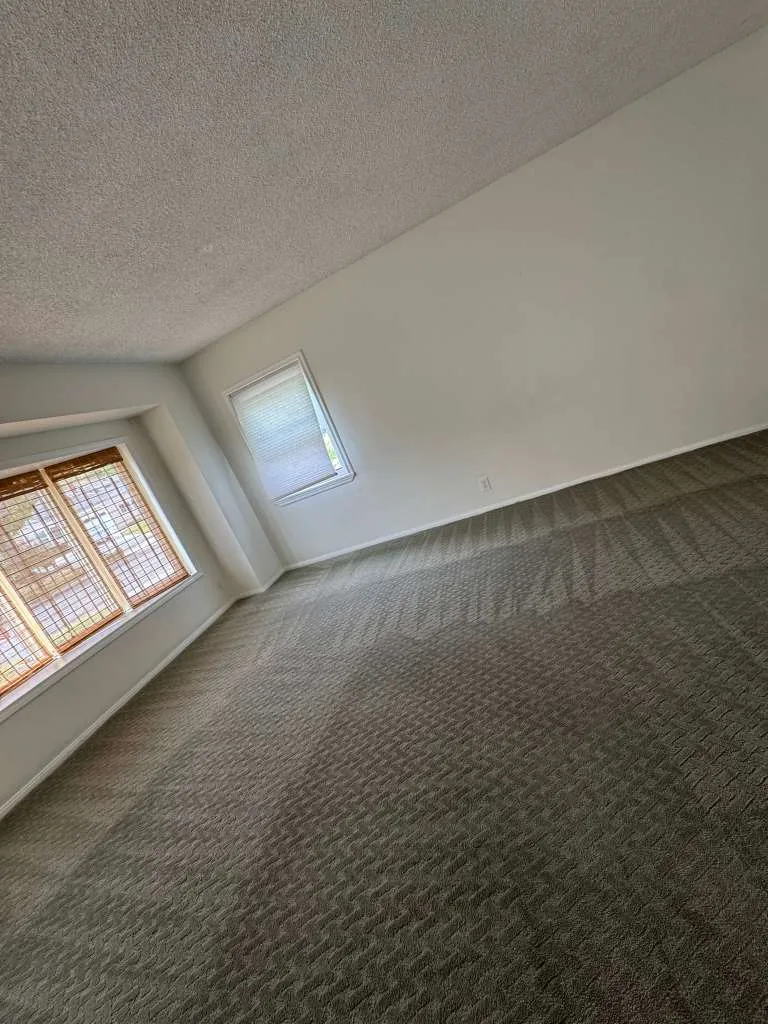
Choose cleaning that dries quickly
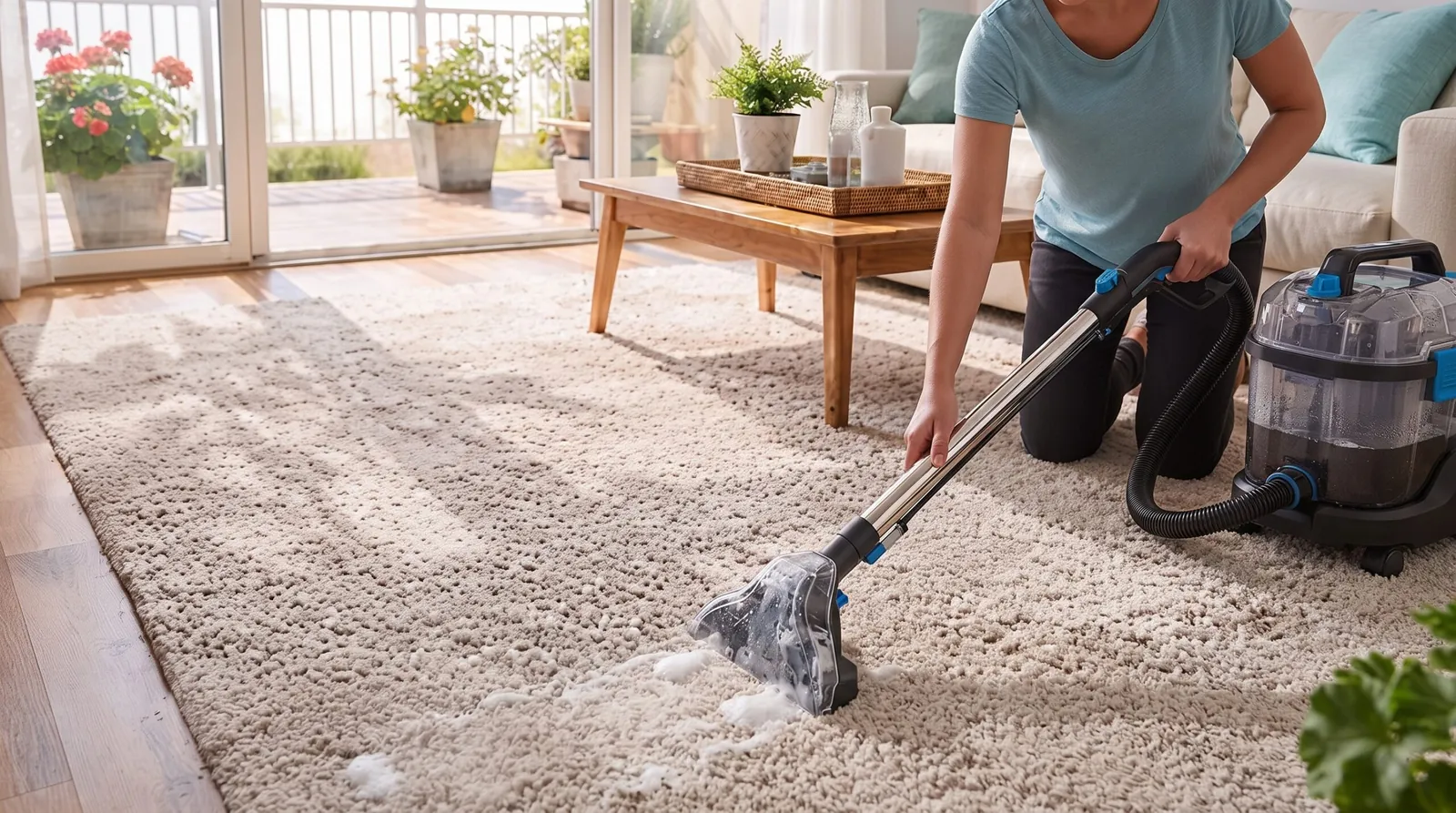
Over-wetting is the most common cause of a musty carpet after cleaning. Professional truck-mounted extraction removes far more moisture than a rental machine, which is exactly why dry times are shorter.
In damp coastal rooms we will often use a low-moisture approach, or set air movers and check the pad before we leave.
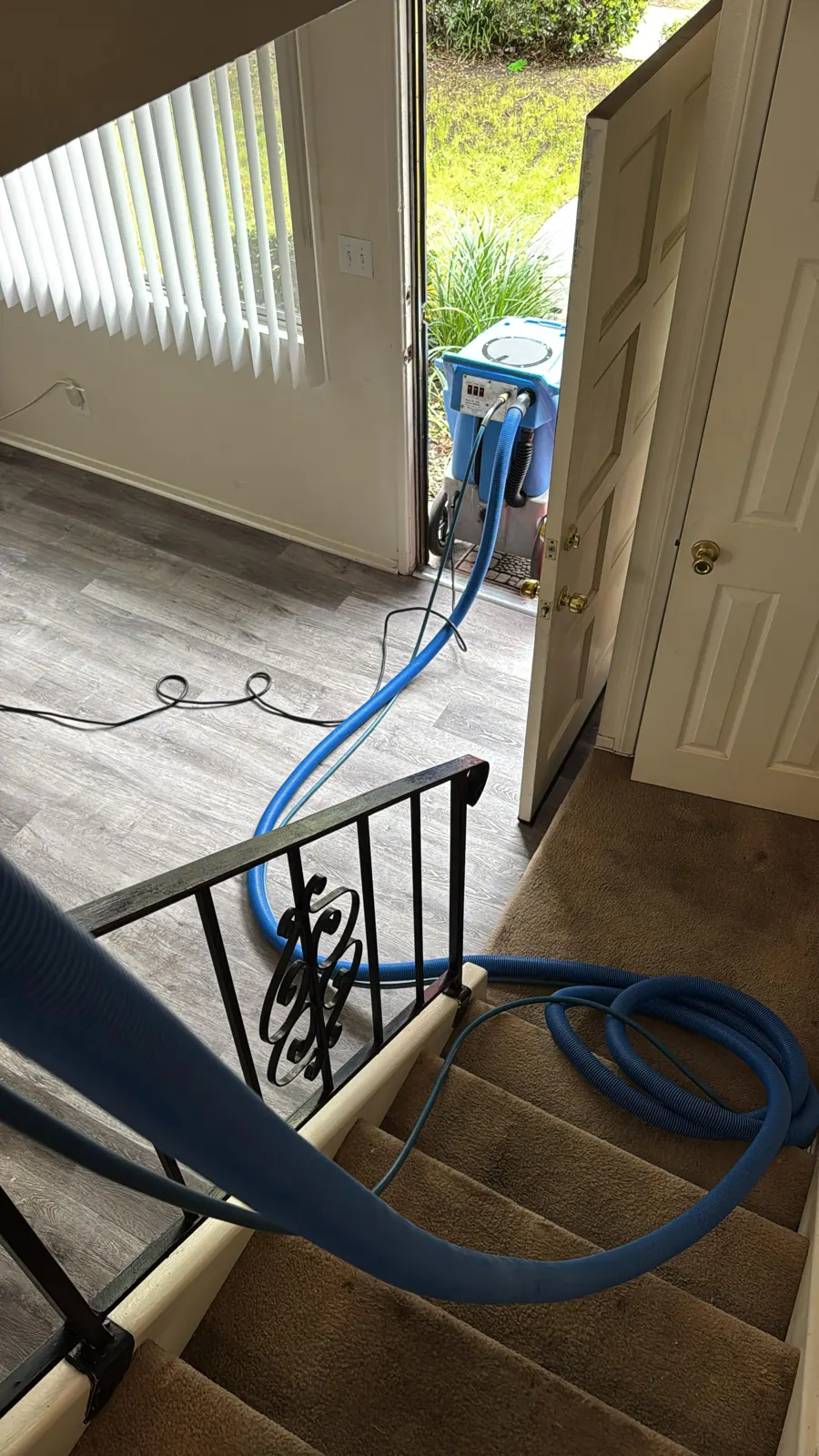
After real water intrusion, speed decides everything
A leak, an overflow or a slab seep is a different situation from a spill. Water spreads through pad far beyond the visible wet patch, and source control plus fast drying are urgent. The EPA advises drying wet or damp areas and materials within 24 to 48 hours to reduce the risk of microbial growth — this is a guideline for how quickly to act, not a guarantee that growth will not occur sooner or later.
Emergency extraction plus proper drying equipment gives carpet the best chance of being saved rather than replaced. Go4Cleaning performs carpet water extraction and drying; we do not perform mold remediation or testing. Porous carpet and pad with visible microbial growth may need to be disposed of or professionally remediated. If we find growth, we tell you and, only with your separate consent, can refer you to an independent, licensed remediation contractor.
Background from the original guide
If you’ve ever moved a piece of furniture or lifted an area rug and noticed a musty smell, you’re not alone. That odor is often one of the earliest signs that moisture may be trapped beneath the carpet. In a coastal city like Long Beach, where ocean air and humidity are part of daily life, carpet mold is more common than many homeowners realize.
The good news is that mold can often be prevented with a few simple habits and a better understanding of what causes it to grow.
Why Long Beach Homes Are More Prone to Carpet Mold
Mold thrives in damp environments. Because Long Beach sits along the Southern California coast, indoor humidity levels are often higher than in inland areas. When warm, moist air settles into a home, carpet fibers and padding can become an ideal place for mold spores to grow.
Mold needs three things: moisture, warmth, and organic material. Carpet provides all three. Add poor ventilation, a spill that wasn’t dried properly, or lingering moisture after cleaning, and mold can begin developing beneath the surface.
What many homeowners don’t realize is that mold often starts in the carpet padding, not on the visible carpet itself. By the time you can smell or see it, the problem may have been developing for days or even weeks.
Common Causes of Carpet Mold
Understanding the source of moisture is the first step in prevention. In Long Beach homes, mold is often linked to:
High humidity and limited airflow — Moisture becomes trapped in rooms that lack proper ventilation.
Leaks or flooding — Water from plumbing, roofs, or appliances can soak into carpet and padding unnoticed.
Carpet that stays wet too long — Mold can begin growing within 24—48 hours of a carpet becoming damp.
Unattended spills — Even small spills can seep into the pad and create ideal conditions for mold.
Carpet installed in high-moisture areas — Bathrooms, utility areas, and other damp spaces are especially risky.
Recognizing these triggers allows you to act quickly before mold has a chance to spread.
Control Indoor Humidity
Keeping indoor humidity below 60% is one of the most effective ways to prevent mold. In coastal areas like Long Beach, a dehumidifier can make a significant difference, especially in bedrooms, basements, and other damp areas.
Use exhaust fans in kitchens and bathrooms regularly, and open windows on dry, breezy days to improve air circulation and reduce indoor moisture.
Drying and residue
If your carpet becomes wet from a spill, leak, or cleaning, dry it as quickly as possible. Use towels, fans, open windows, or a wet vacuum for larger areas.
Remember that the carpet surface may feel dry while the padding underneath remains damp. Because mold can begin forming within 24—48 hours, thorough drying is essential.
Choose Moisture-Resistant Carpet Padding
When installing new carpet, consider moisture-resistant or antimicrobial padding. Rubber-slab padding absorbs less water than many foam products, and antimicrobial pads help resist mold and mildew growth.
If carpet is being installed over concrete, make sure a vapor barrier is included to reduce moisture migration from the slab.
Vacuuming safely
Dust, dirt, and organic debris provide food for mold spores. Vacuum high-traffic areas at least once or twice a week, and clean spills promptly.
Use entry mats, remove wet shoes before walking on carpet, and address stains quickly to keep moisture and contaminants from settling into the fibers.
Repair Leaks and Water Damage Promptly
Even a slow leak can lead to significant mold growth over time. If you notice water damage or a persistent musty smell, inspect the affected area carefully, including beneath the carpet if possible.
Carpet exposed to standing water for more than a day or two often requires professional evaluation and may need to be replaced.
Signs Your Carpet May Have Mold
Mold growth near carpet edges, baseboards, or walls
Early detection can help prevent a small issue from becoming a larger and more expensive problem.
Long-Term Habits That Help Prevent Mold
Preventing mold is an ongoing process. To reduce the risk year-round:
Inspect carpets after spills, leaks, or heavy rain
Pay attention to musty odors, especially under rugs or furniture
Catching moisture problems early is almost always easier and less expensive than dealing with established mold later.
Related service
Emergency water extractionFamily-owned, based in Beverly Hills, serving Los Angeles County and approved Orange County communities.
Recent Go4Cleaning work
Photos from Go4Cleaning jobs, taken by our own crew.
Common questions
My carpet smells musty but looks fine. What now?
The moisture is likely trapped in the pad or subfloor. Have it inspected rather than masked with deodorizer — treating only the surface will not resolve trapped moisture, and visible growth on carpet or pad may require professional remediation.
Does professional cleaning cause mold?
Properly extracted carpet dries quickly with adequate airflow. Problems more often come from over-wetting, poor airflow, or delayed drying rather than from the cleaning process itself.
Can Go4Cleaning remediate mold if it's found?
No. We perform carpet water extraction and drying. If visible microbial growth is present, we will tell you, and any structural remediation work would be handled by an independent, licensed remediation contractor with your separate consent — not by us directly.
Want this handled properly?
Call or text (866) 631-2244 for a straightforward quote, or send photos with your request.
Cleaning appointments 8:00 a.m. – 8:00 p.m. daily. Calls, messages and scheduling 24/7.