Upholstery care
Upholstery Cleaning Codes W, S, WS and X Explained
That small tag under a cushion or stapled beneath a sofa frame carries more weight than most people realize. The single letter on it — W, S, WS or X — is the manufacturer's own instruction for what kind of cleaning agent that specific fabric was designed to tolerate. It is a starting point, not a guarantee, and it should always be checked before anyone reaches for a cleaner, a steam machine or even plain water.
By Go4Cleaning Team · Published August 29, 2026 · Updated August 29, 2026 · 7 min read
Quick answer
W means use water-based cleaners only, S means use a solvent-based cleaner and avoid water, WS means either can generally be used, and X means the fabric should only be vacuumed or handled by a qualified fabric-care specialist, with no liquid cleaning agents applied on-site. The code guides method selection — it does not guarantee stain removal or protect against colorfastness issues.
What each code actually means
These codes exist because different fabrics react differently to moisture, heat and cleaning chemistry — some shrink, some water-spot, some lose their finish or sheen, and some are simply not engineered to be cleaned wet at all.
- W — the fabric is generally suited to water-based cleaning agents. This is common on many cotton, linen and synthetic blends.
- S — the manufacturer specifies a solvent-based cleaning agent rather than water, often because water can shrink, spot, water-mark or otherwise damage that particular fabric. This code appears on many silks, some rayons and certain delicate blends.
- WS (sometimes shown as SW) — the fabric can generally tolerate either a water-based or a solvent-based cleaning agent, giving more flexibility in method.
- X — no liquid cleaning agent of any kind, water or solvent. Vacuuming and light brushing are the manufacturer's stated approach; anything beyond that requires a qualified fabric-care specialist.
The code helps choose a method — it does not guarantee an outcome
It is worth being direct about what a cleaning code does and does not promise. A code tells a cleaner which category of agent that fabric was designed to tolerate. It says nothing about whether a specific stain will come out, whether the dye will hold its color under any particular product, or how the fabric will look after cleaning if it is already worn, faded or previously treated with something else.
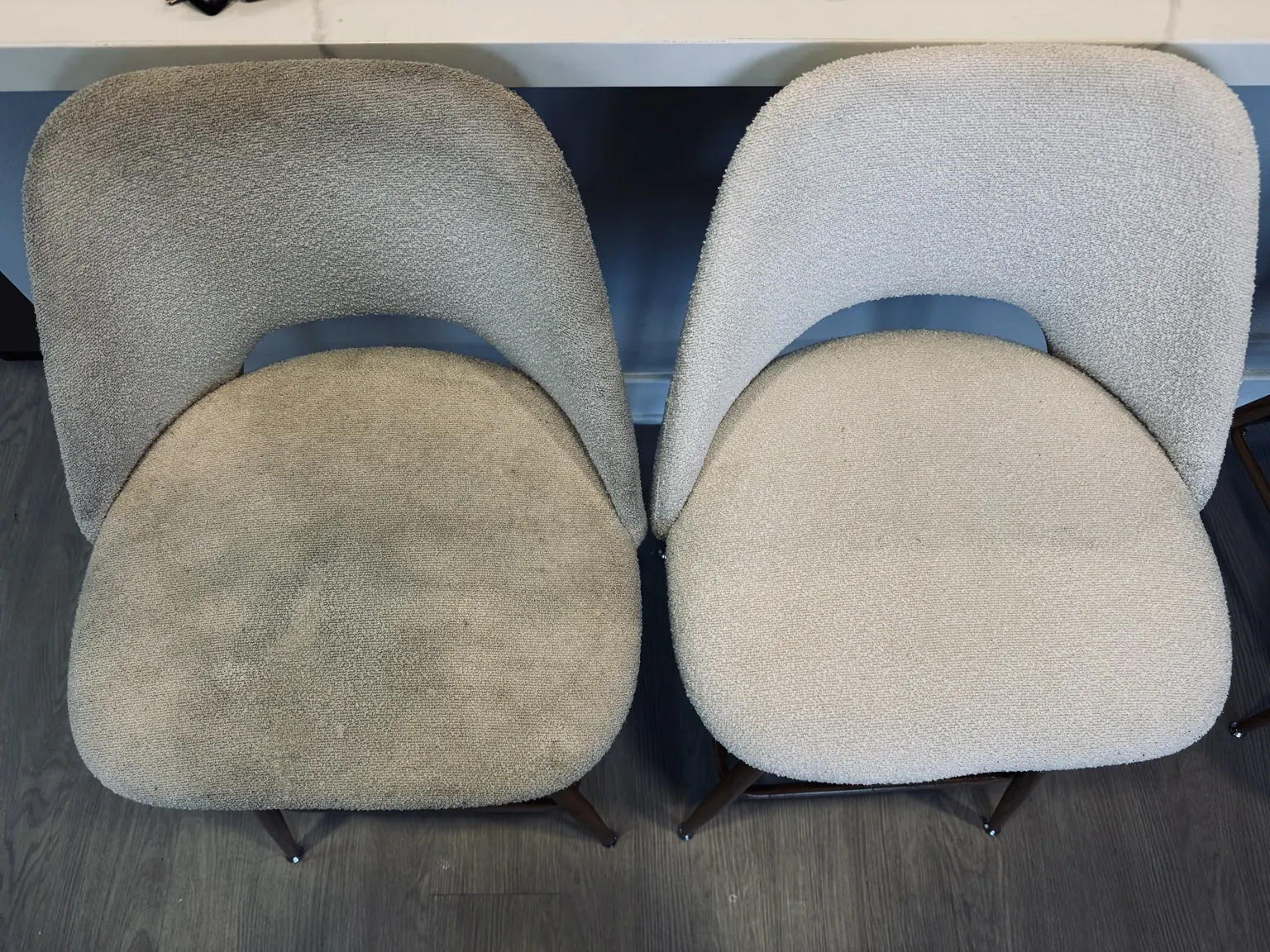
Two sofas can carry the identical W code and respond differently to the same cleaning approach, depending on age, prior treatments, dye lot and how the fabric was finished at the factory. That is exactly why testing an unseen area — the back of a cushion, the underside of a skirt, an inside arm panel — before any broader cleaning is always the right first step, regardless of what the tag says.
Why the tag on your exact piece is what matters, not a general guide
A cleaning code chart like this one is useful for understanding what the letters mean in general. It is not a substitute for the actual tag on your actual furniture. Manufacturers assign codes to specific fabrics they use, and even furniture that looks similar from two different retailers can carry different codes, different fiber content and different finishing treatments.
As a general example, some furniture makers such as La-Z-Boy publish their own fabric and leather care guidance describing how they recommend approaching their materials — but that page describes their products, not the specific sofa or chair sitting in your home. Always defer to the tag or documentation that came with your own piece, and to any written care instructions or warranty terms from wherever you purchased it.
Should removable covers just go in the washing machine?
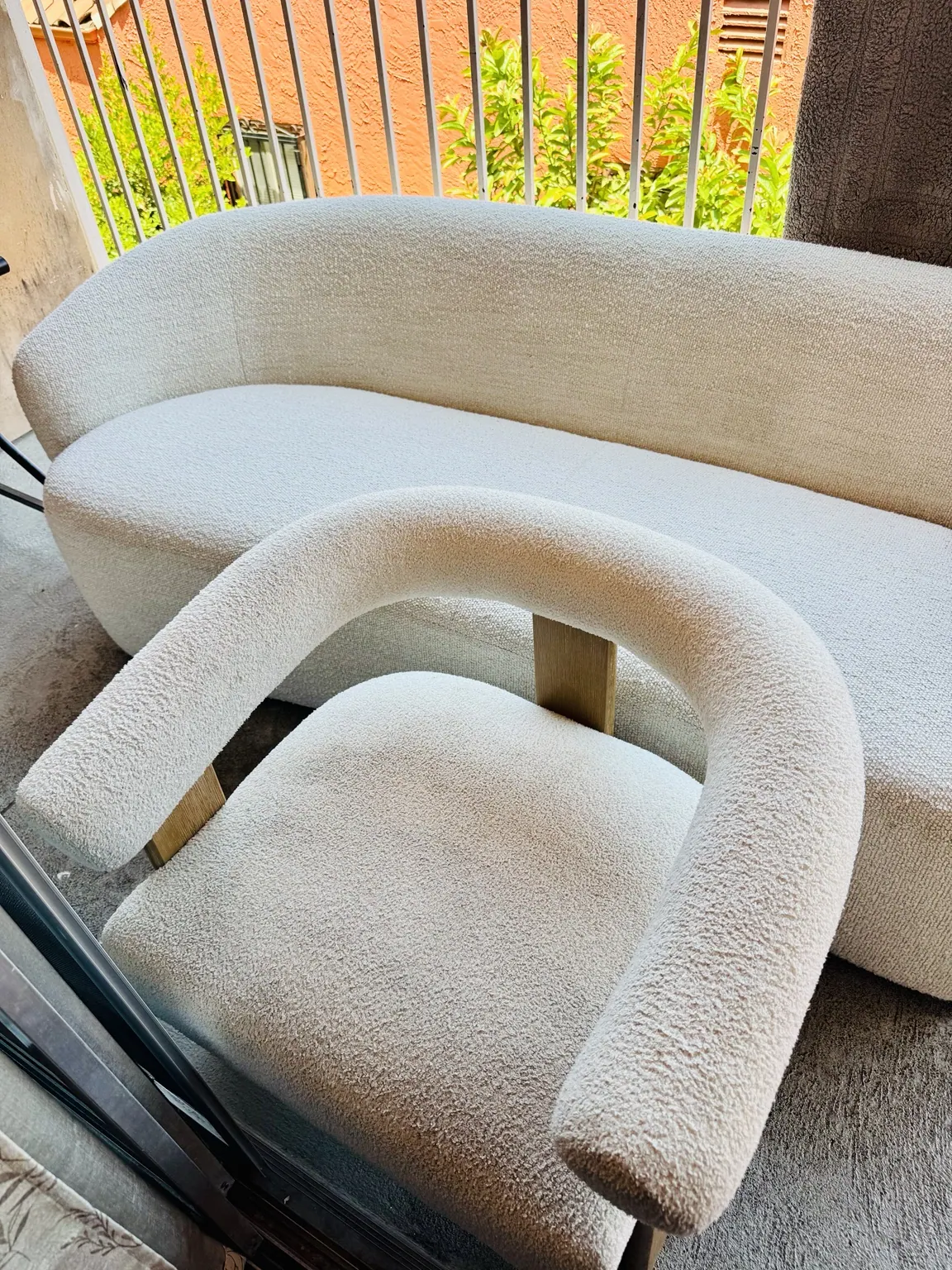
Not automatically, even if a cover can be unzipped and removed. A removable cover being physically detachable does not mean the fabric is machine-washable — that depends entirely on the fiber content and the cleaning code on the tag, which is often sewn into a seam of the cover itself, not just the cushion underneath.
Machine washing and drying can shrink certain fabrics, distort the shape of a fitted cover so it no longer fits the cushion correctly, or affect any backing or lining sewn into it. If a cover is removable, look for its own care label before deciding on a method, and treat 'removable' and 'washable' as two separate questions.
What to do when the tag is missing, faded or unclear
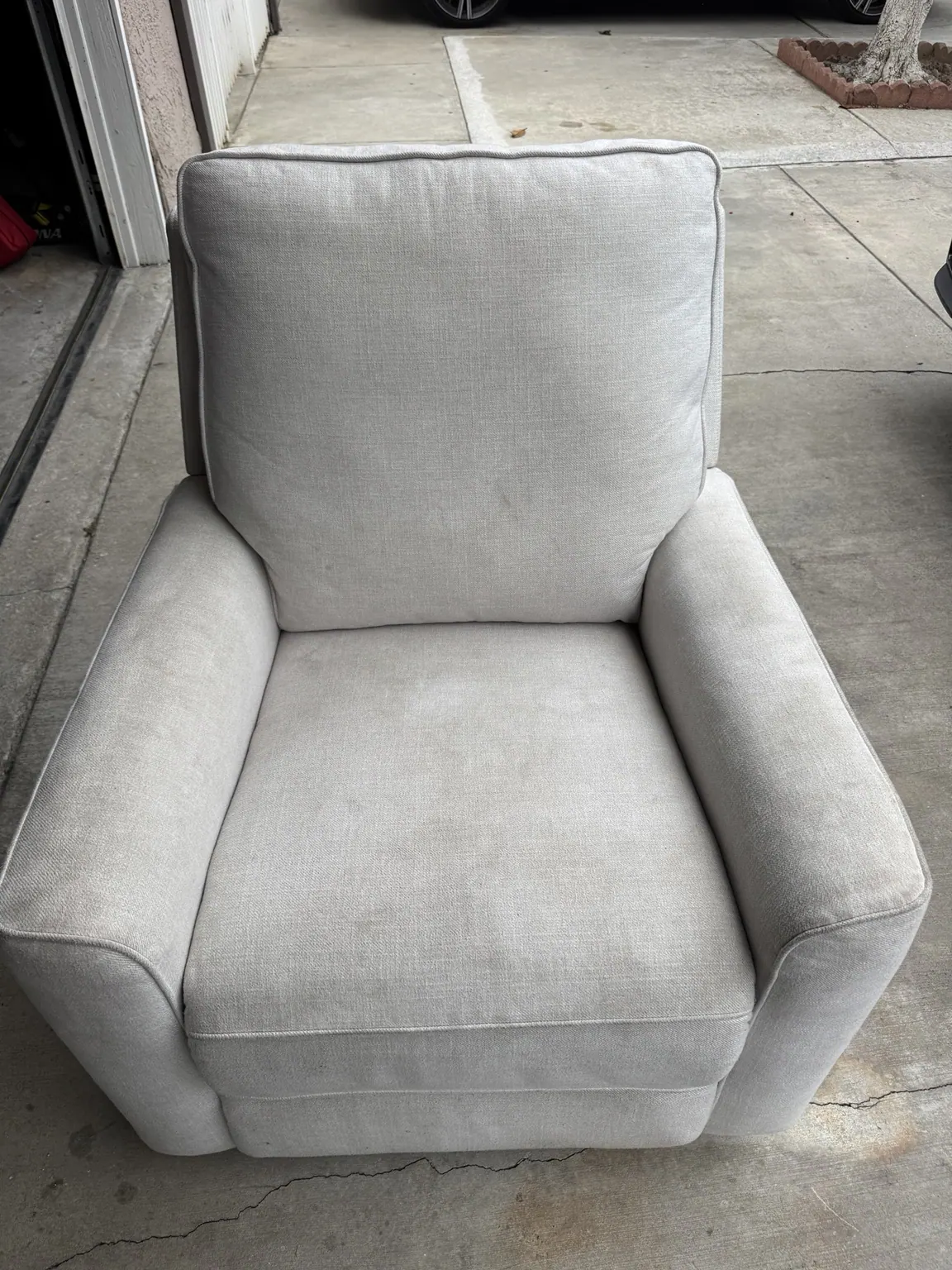
Furniture tags fade, get cut off during reupholstery, or were never legible to begin with, especially on older or secondhand pieces. When there is no reliable code to go by, the safest approach is caution rather than guessing.
- If the care label permits vacuuming, use a clean upholstery attachment with light suction and no aggressive brushing; otherwise follow the manufacturer's instructions or ask a qualified professional.
- Avoid applying any liquid cleaner, homemade or commercial, until the fiber content and cleaning approach have been identified.
- Check the original receipt, manufacturer website or retailer listing, which sometimes lists fabric content or care instructions even when the physical tag is gone.
- Bring in a professional upholstery cleaner for an assessment. Identifying fiber type and choosing an appropriate method without a clear label is exactly the kind of judgment call that benefits from experience rather than trial and error at home.
Delicate piles, unusual textures and when to stop
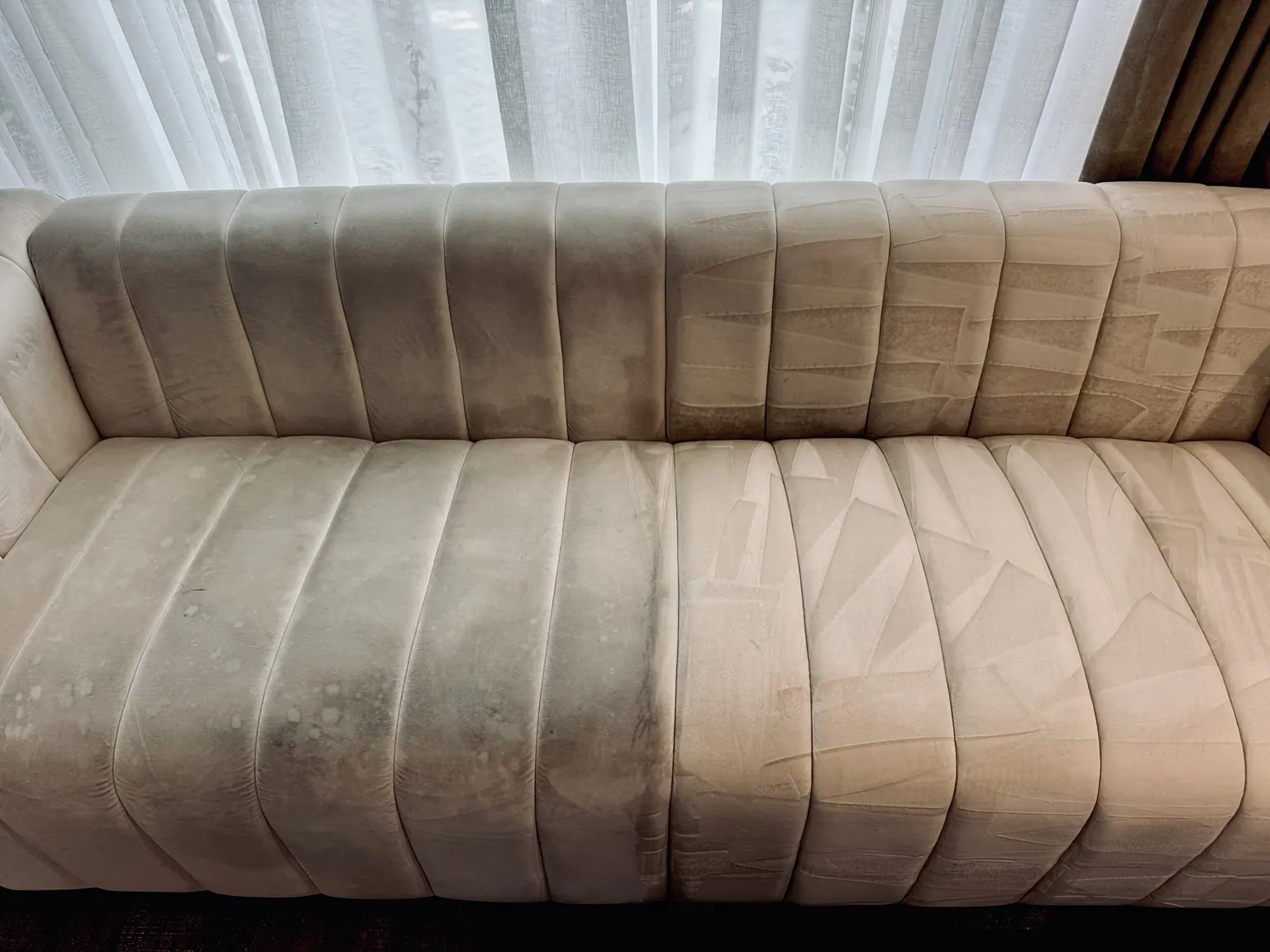
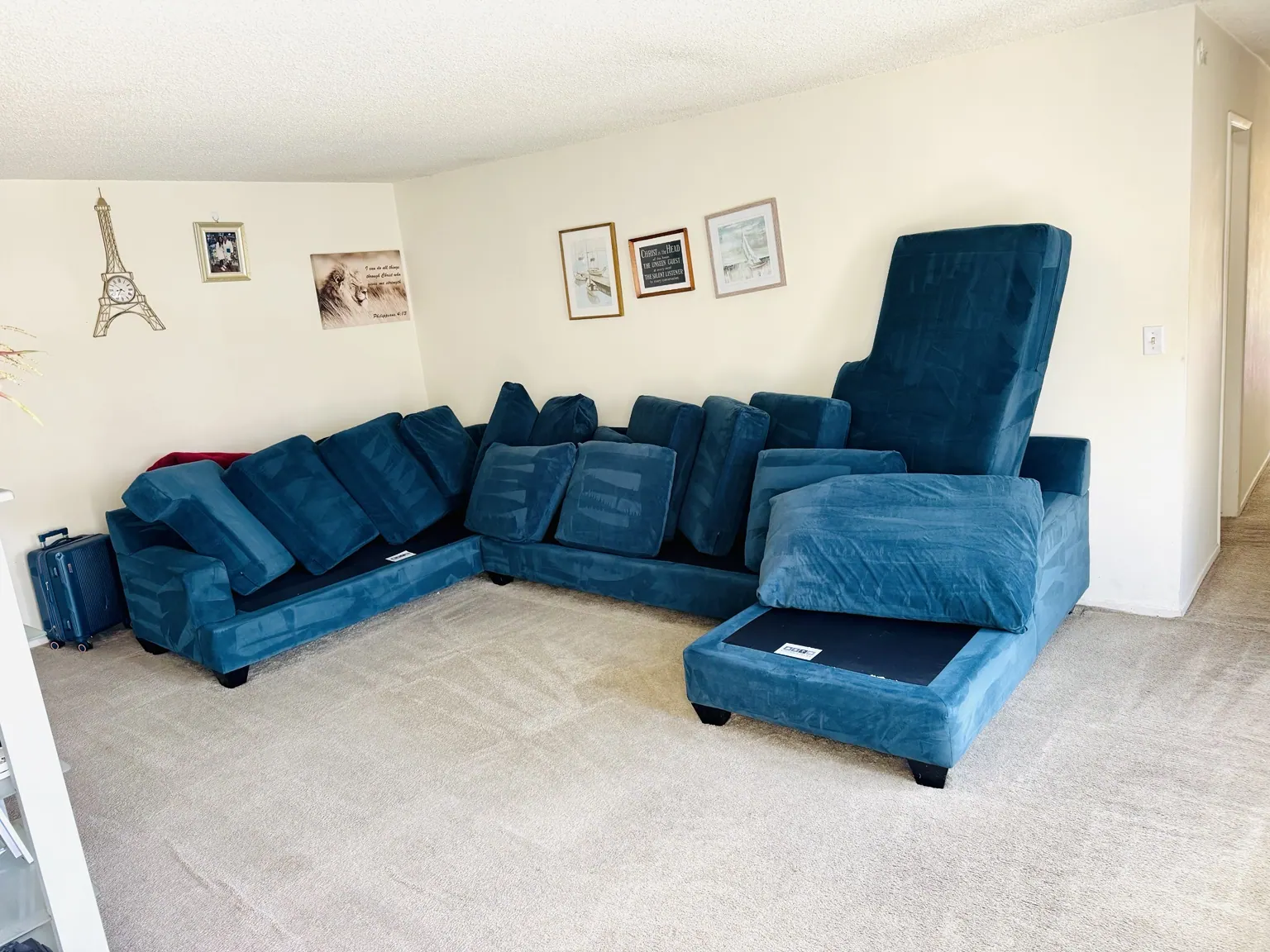
Velvet, silk blends, chenille, and other napped or delicate-pile fabrics deserve extra caution regardless of their code. Even a correctly matched cleaning agent can crush the pile, leave visible pressure marks, or create a watermark ring if applied unevenly or with too much moisture.
If a test spot in a hidden area shows any color transfer, texture change, shrinkage, watermarking or stiffening, stop before treating the visible area. Those reactions in a hidden spot are the fabric telling you something a code on a tag cannot — that this particular piece, in its current condition, may not respond the way the label alone suggests.
Get an assessment before you commit to a method
If your furniture's tag is missing, the fabric feels unusual, or you are simply not confident reading the code correctly, it is worth having it assessed before cleaning rather than after something has gone wrong. Send us a few photos of the piece and the tag if you can find one, tell us about any known stains, and we will let you know what we would realistically expect and get you a quote before any work starts.
Related service
Upholstery & couch cleaningFamily-owned, based in Beverly Hills, serving Los Angeles County and approved Orange County communities.
Recent Go4Cleaning work
Photos from Go4Cleaning jobs, taken by our own crew.
Common questions
Can I use a water-based upholstery cleaner on a fabric marked S?
We would not recommend it. The S code specifically means the manufacturer designed that fabric to be cleaned with a solvent-based agent, and water can cause shrinking, spotting or permanent water rings on many S-coded fabrics.
What does the X code mean for cleaning at home?
X means no liquid cleaning agent, water or solvent-based, is recommended by the manufacturer. Vacuuming and light dry brushing are the safe approach; anything beyond that requires a qualified fabric-care specialist.
My couch cushions unzip — does that mean the covers are machine-washable?
Not necessarily. A removable cover is a separate question from a washable one. Check for a care label sewn into the cover itself before machine washing, since the fiber content determines whether washing and drying are safe.
What should I do if my furniture has no cleaning tag at all?
Start with vacuuming only, avoid applying any liquid cleaner until you know more, and check your receipt or the retailer's listing for fabric information. A professional assessment is the safest next step if you cannot identify the fabric confidently.
Does a WS code mean any cleaner will work safely?
It means the fabric is generally suited to either water-based or solvent-based agents, which gives more flexibility — but it still does not guarantee a specific stain will come out or that the fabric will react the same way to every product. Testing a hidden area first is still the right approach.
Which areas do you serve?
We are a family-owned company based in Beverly Hills, serving Los Angeles County including Malibu, Topanga and the South Bay, plus approved Orange County communities.
Want this handled properly?
Call or text (866) 631-2244 for a straightforward quote, or send photos with your request.
Cleaning appointments 8:00 a.m. – 8:00 p.m. daily. Calls, messages and scheduling 24/7.